South Africa- it’s complicated. Especially Cape town, beautiful, but with troubles lurking just beneath the surface.

What first comes to mind when you think about about South Africa?
- Lions and Elephants- the classic big 5 safari experience?
- Apartheid? Nelson Mandela?
- It’s a long way away.
- What about world-class wines, penguins, scenic ocean vistas and one of the most beautiful cities in the world?
- It has 3 capitals: Pretoria (the administrative capital), Bloemfontein (the judicial capital), and Cape Town (the legislative capital).
- It has 12 official languages
- It is the only country where 1 street has been home to 2 Noble Peace Prize winners.
- Cape Town is beautiful, one of the most photo worthy cities in the world.
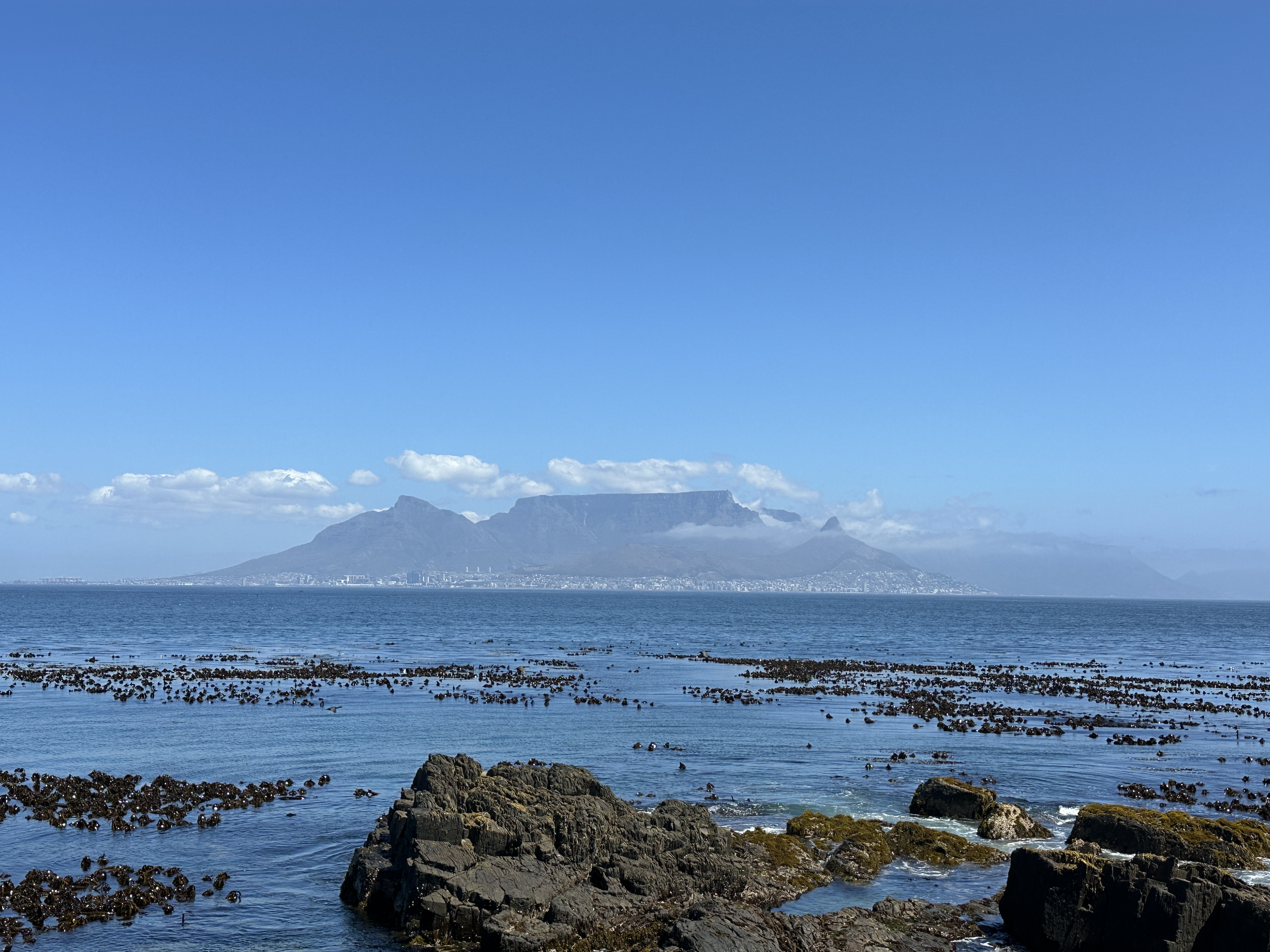
But it’s complicated. And here is your educational moment: the legacy of apartheid. Not far from the glittering waterfront behind iconic Table Mountain you encounter informal settlements in the Cape Flats. It was here that non-whites were resettled during apartheid and the sprawling shanty towns remain. Dwellings cobbled together from corrugated metal, connected by a spiderweb of electrical cables. Each sprouting a satellite dish growing like a mushroom from the roof. Goats wander the open space outside the fence and children play in the open land between the settlements and the modern multilane highway. I could not manage to take a photo.

So, let’s define Apartheid, meaning “apartness” in Afrikaans, Apartheid was a system of institutionalized racial segregation and discrimination that was implemented by the National Party government in South Africa from 1948 until the early 1990s. Under apartheid, the rights of the majority black inhabitants were greatly restricted, and the white minority maintained significant control over the country’s political and economic systems. The regime enforced separation in nearly every aspect of life, including education, medical care, and public services, ensuring that these were provided to white people at a much higher standard than to non-whites. The oppressive laws were met with resistance from within the country and condemnation from the international community, leading to extensive economic sanctions and political pressures. This is not to say that racial segregation did not exist before it was codified in 1948. But in Apartheid, non-whites were physically relocated from “white areas” and resettled in others.
Today, the legacy of apartheid continues to influence South African society in numerous ways. Despite the dismantling of the formal apartheid system, the socioeconomic disparities created during that era persist. Many black South Africans still live in poverty, face high unemployment rates, and have limited access to quality education and healthcare compared to their white counterparts.
The spatial segregation enforced by apartheid has left a lasting impact on urban planning and housing. Townships and informal settlements, which were originally established to house non-white populations, remain underdeveloped and lack essential services and infrastructure. Efforts to redress these inequalities through government policies and programs have been ongoing, but progress has been slow and uneven.
In addition to economic and spatial legacies, the psychological and cultural scars of apartheid are deeply embedded in the national consciousness. Racial tensions and prejudices still exist, and the country grapples with issues of identity, reconciliation, and unity. The Truth and Reconciliation Commission, established in 1995, was a significant step toward addressing the human rights violations of the past, but the journey toward true social equality and healing remains a work in progress.
Back to the trip…


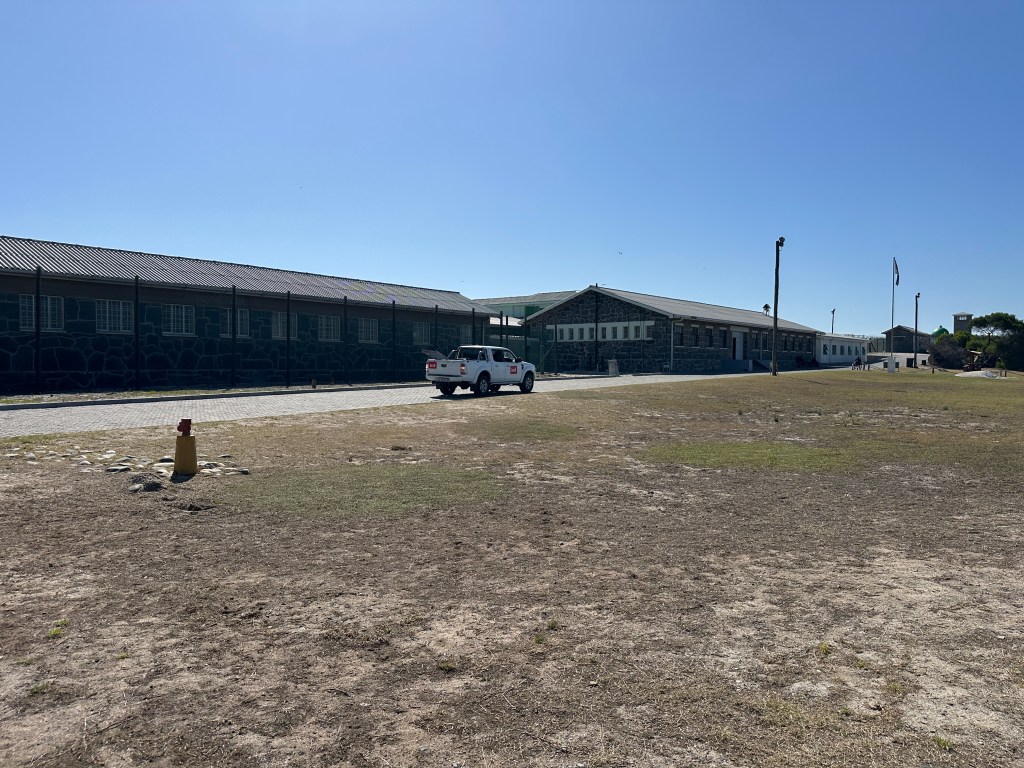
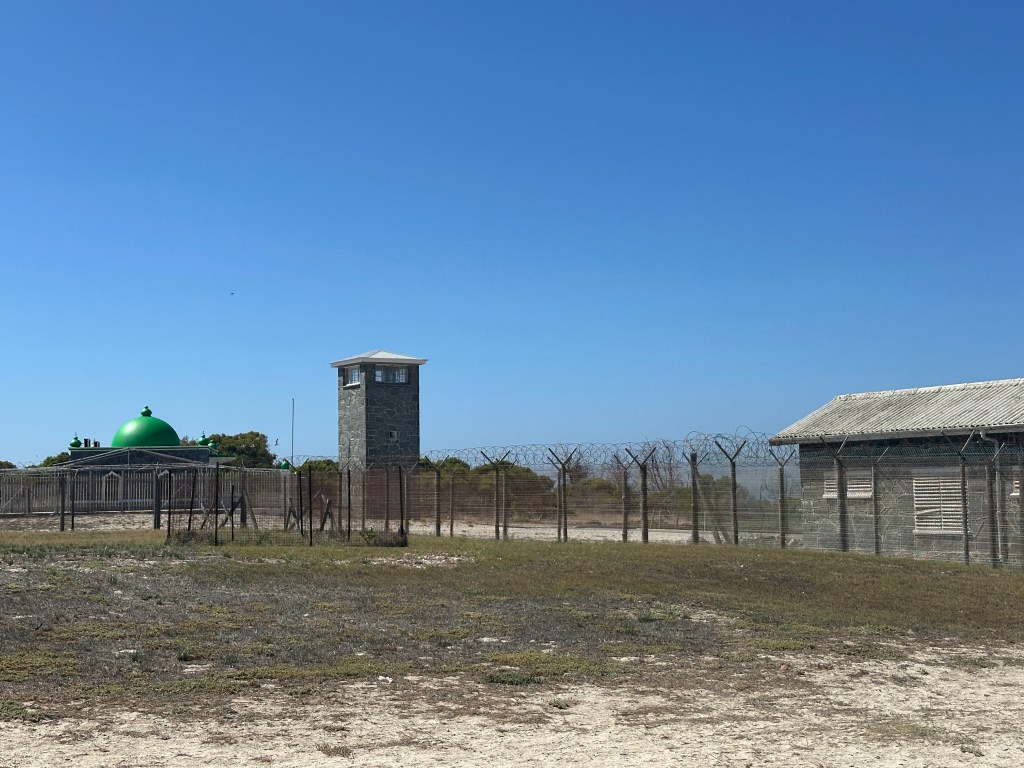
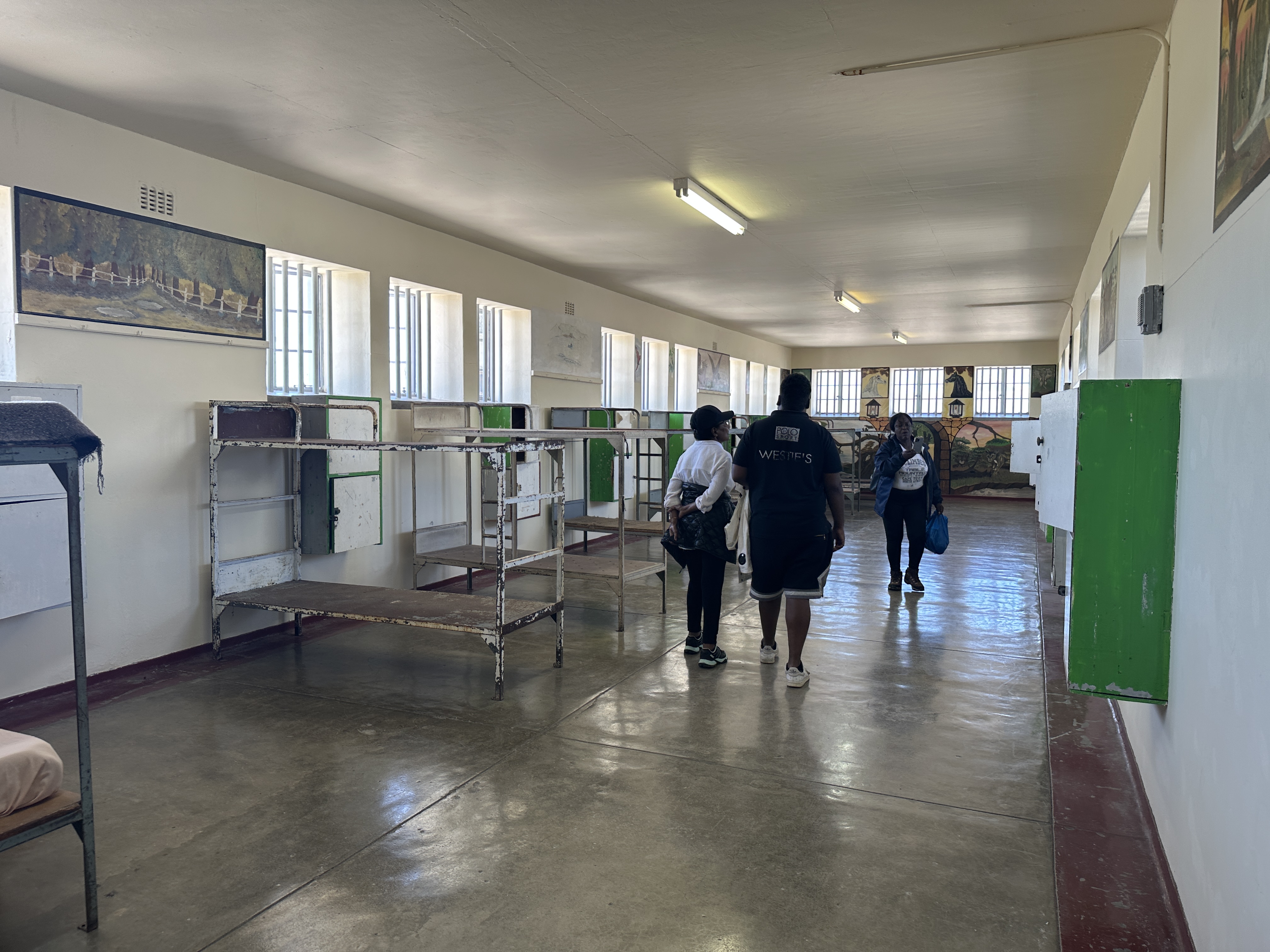
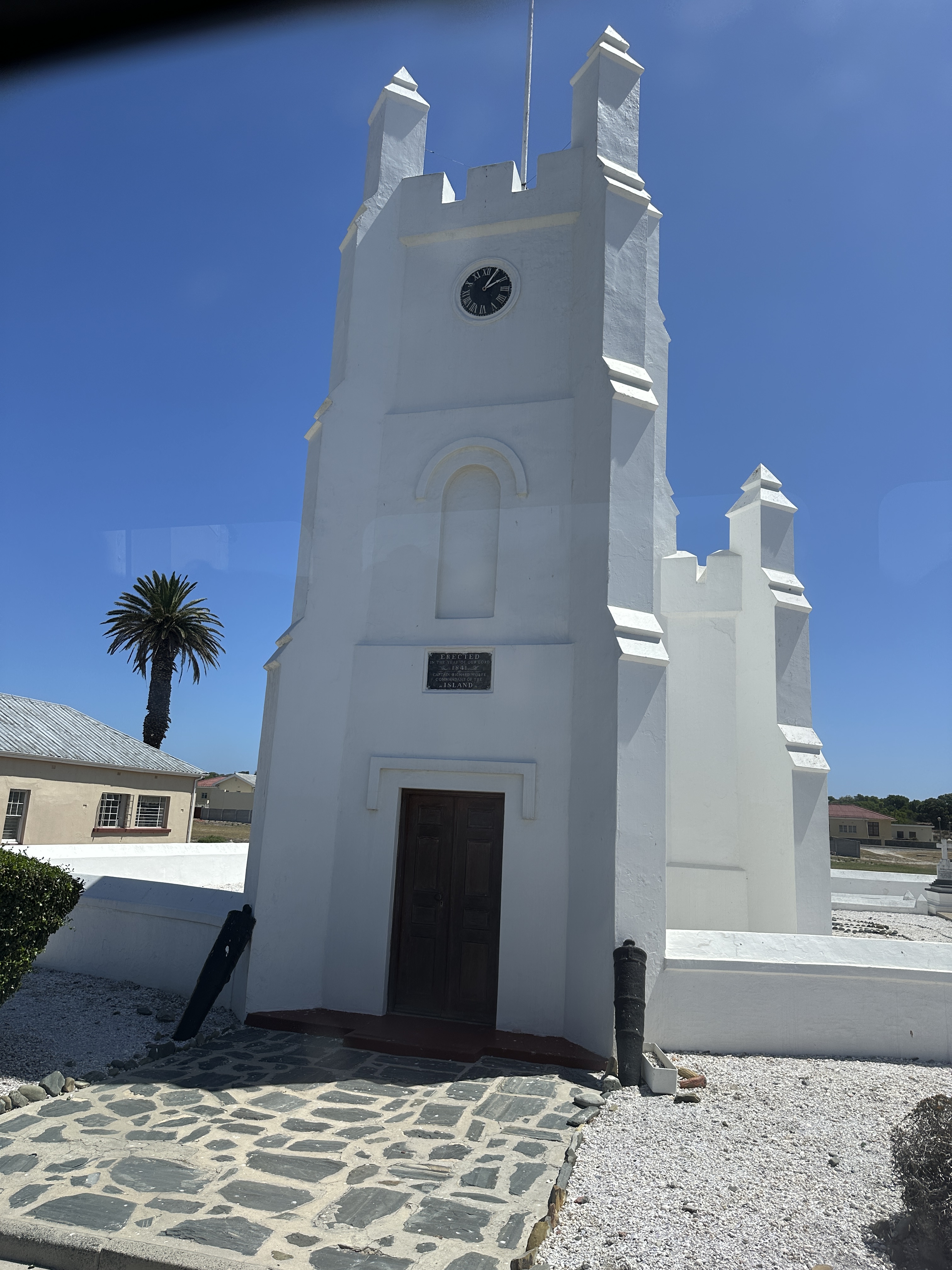
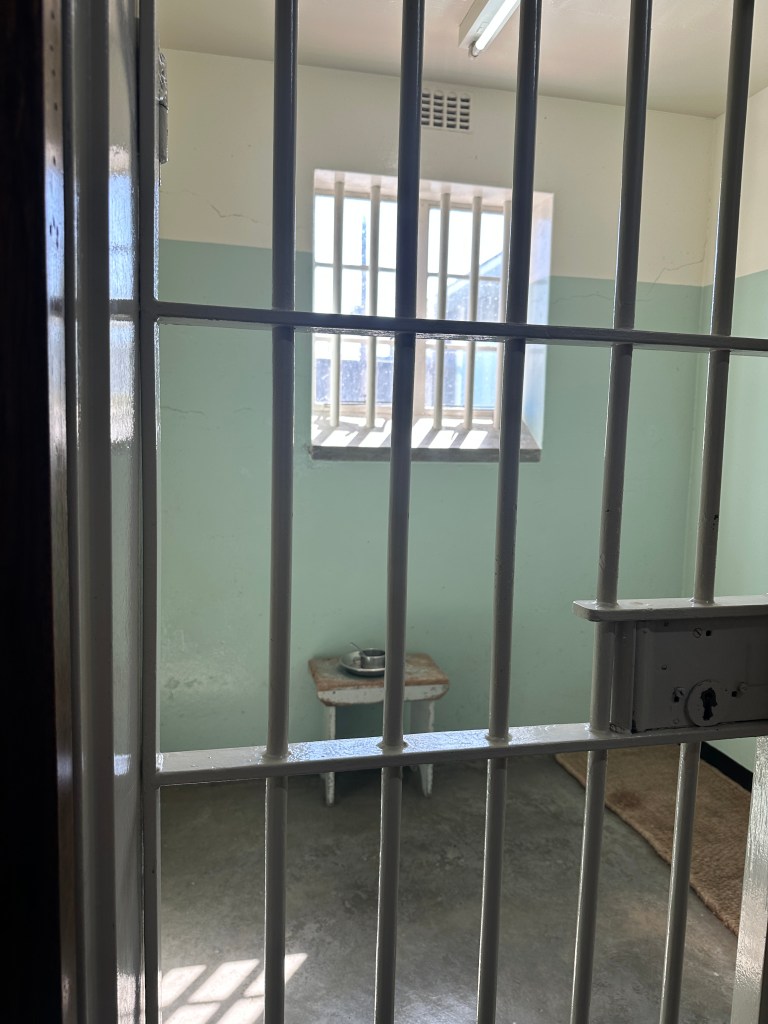
In addition to wandering around the scenic Victoria and Alfred Waterfront (Alfred not Albert, named after the Queen’s son who visited there are lots of fantastic things to see and do. One educational one is a visit to Robbin Island, a bit like Alcatraz, a prison on an island just off the coast. This is the place were many of the political prisoners from the Apartheid era were housed, including Nelson Mandela. Tour guides are all former pollical prisoners, ours had spent 8 years here, providing a personal perspective to what can be dry facts from a bye gone era.
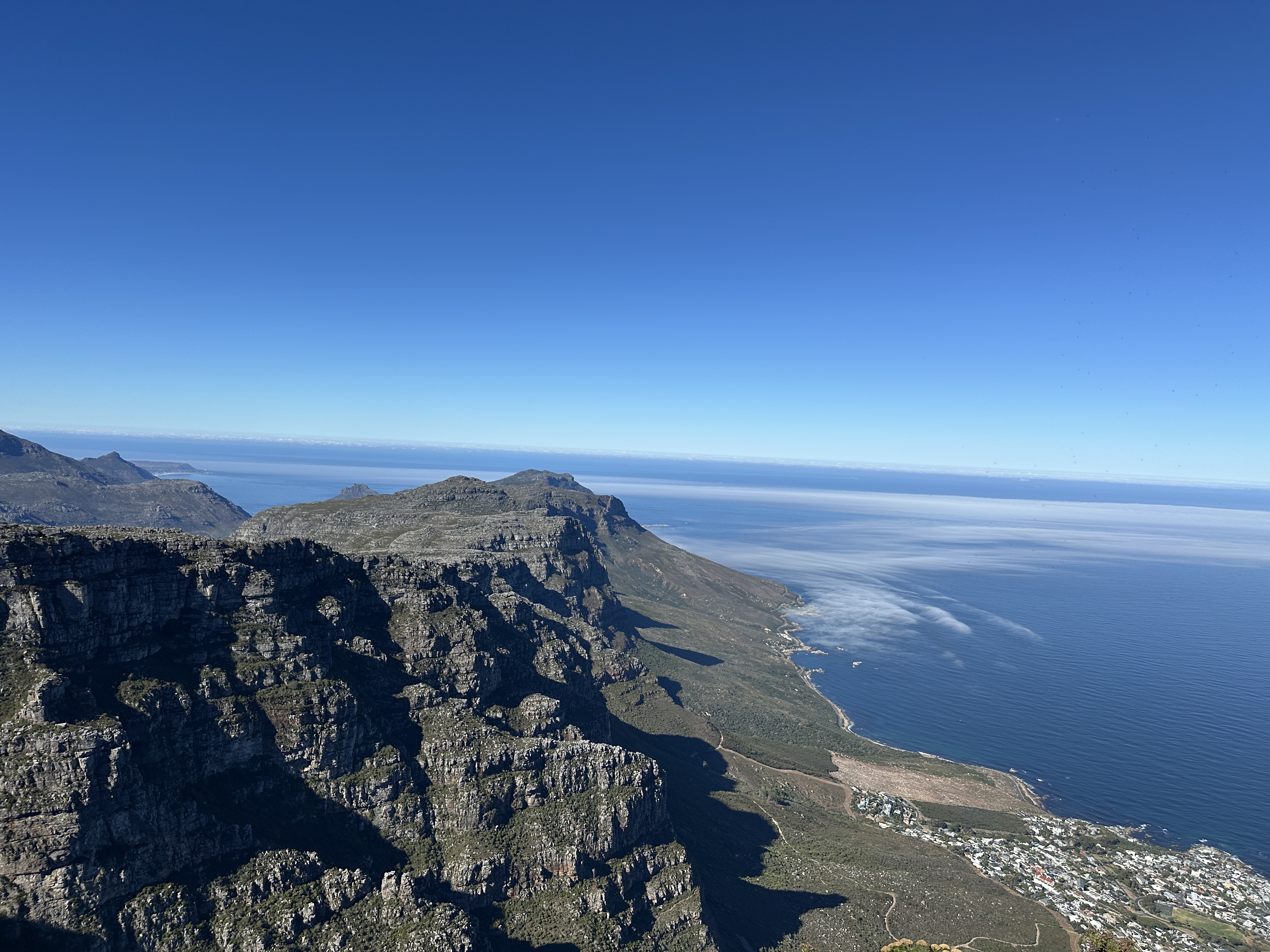
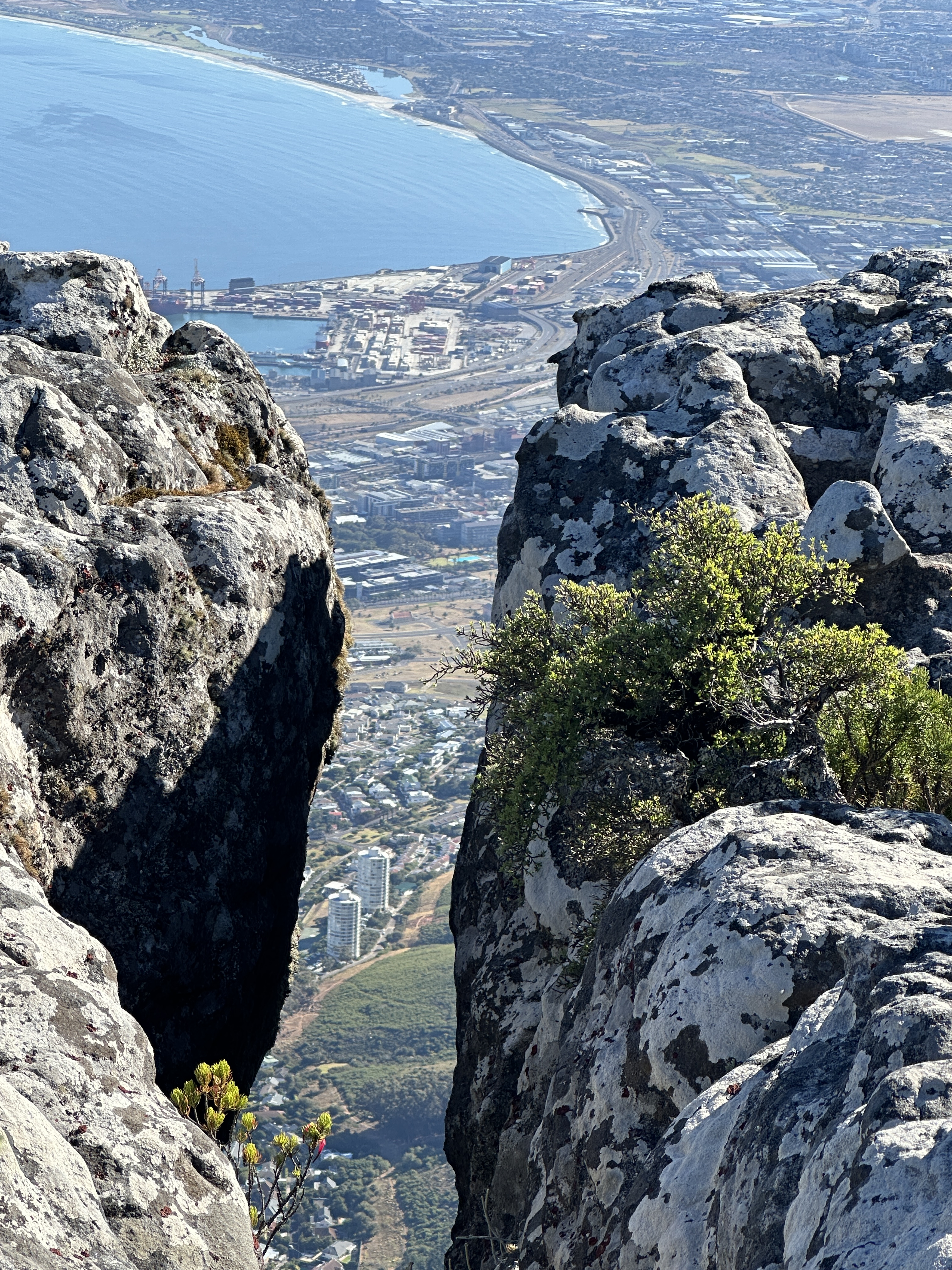
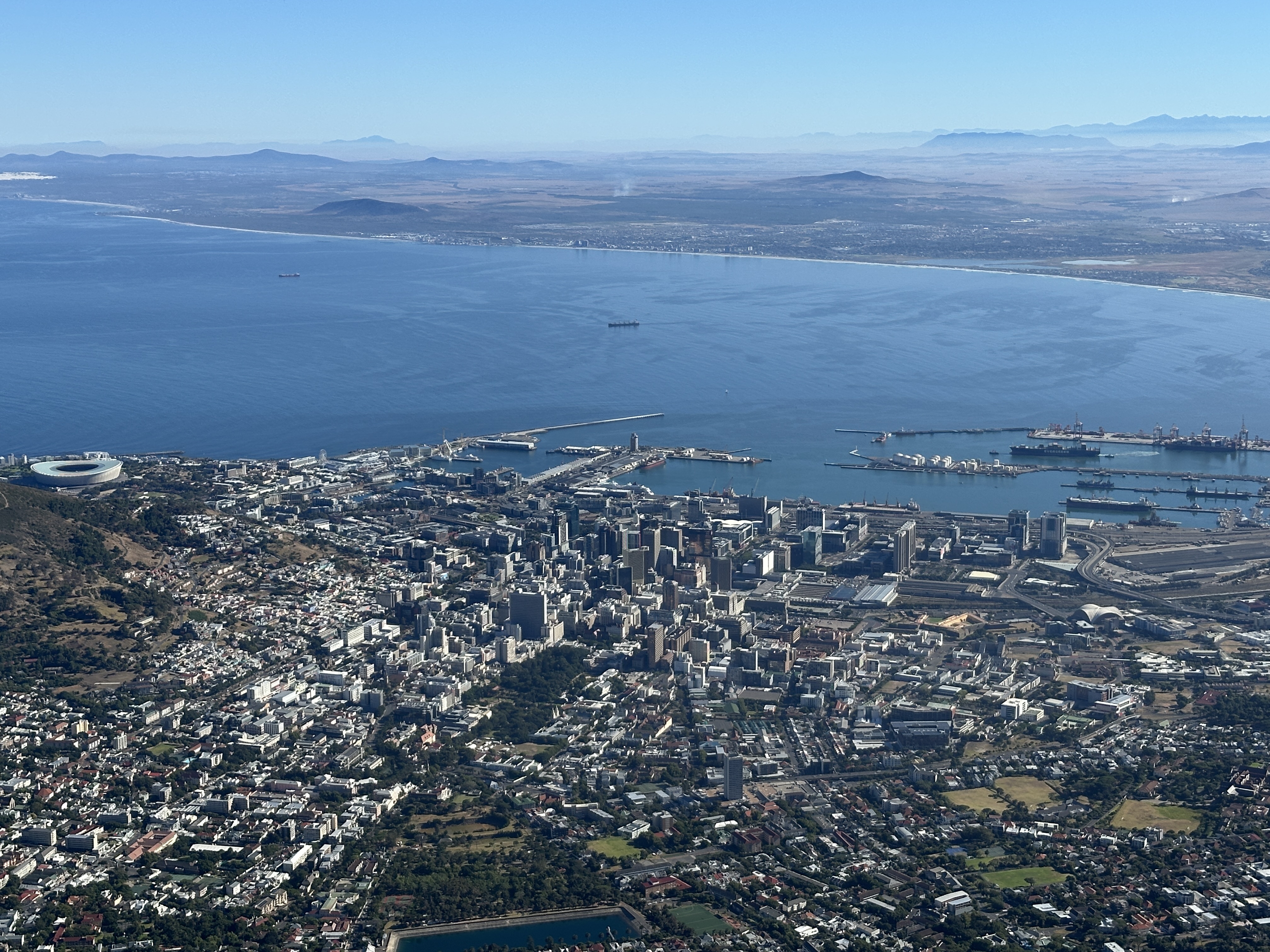
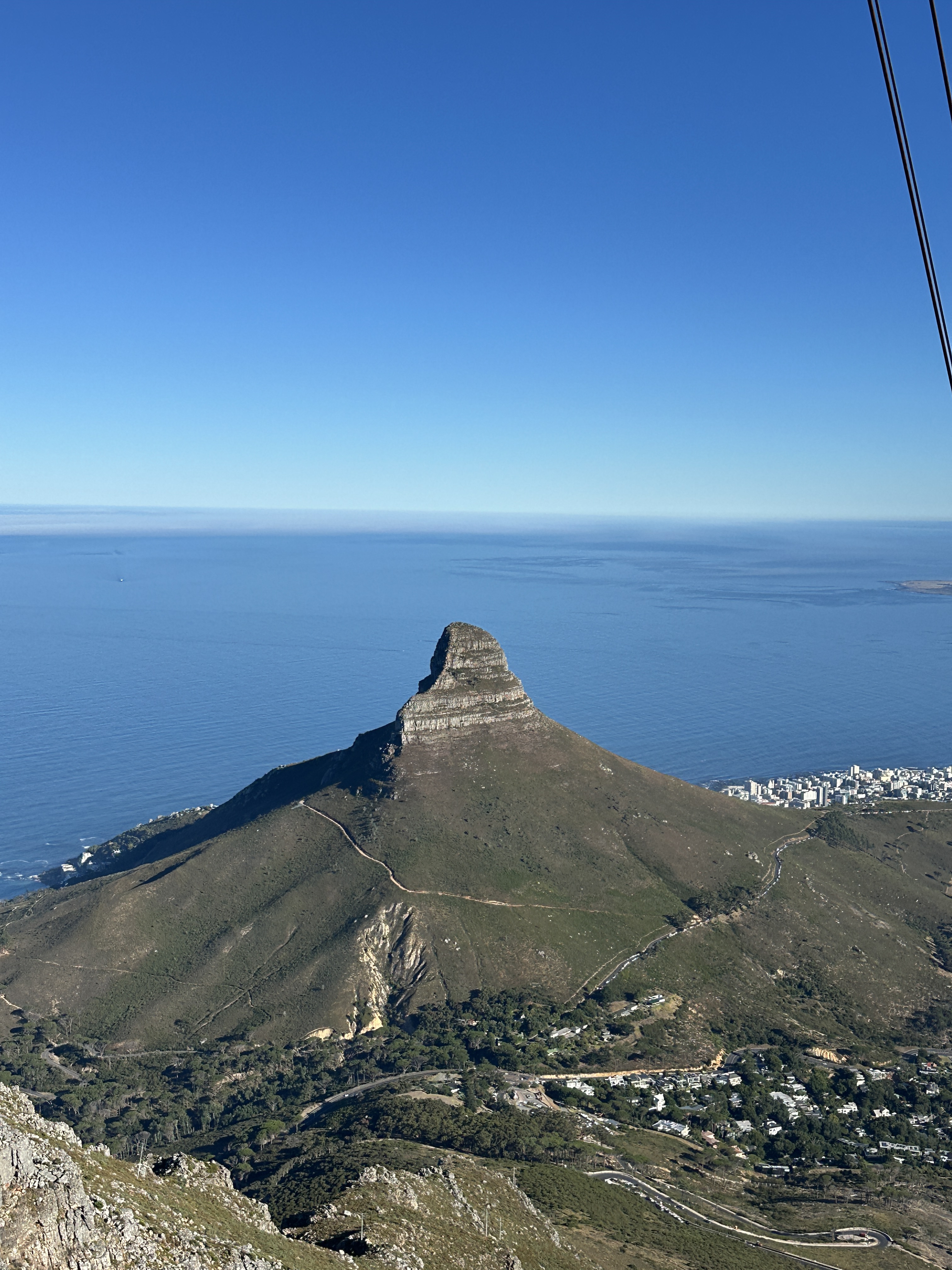
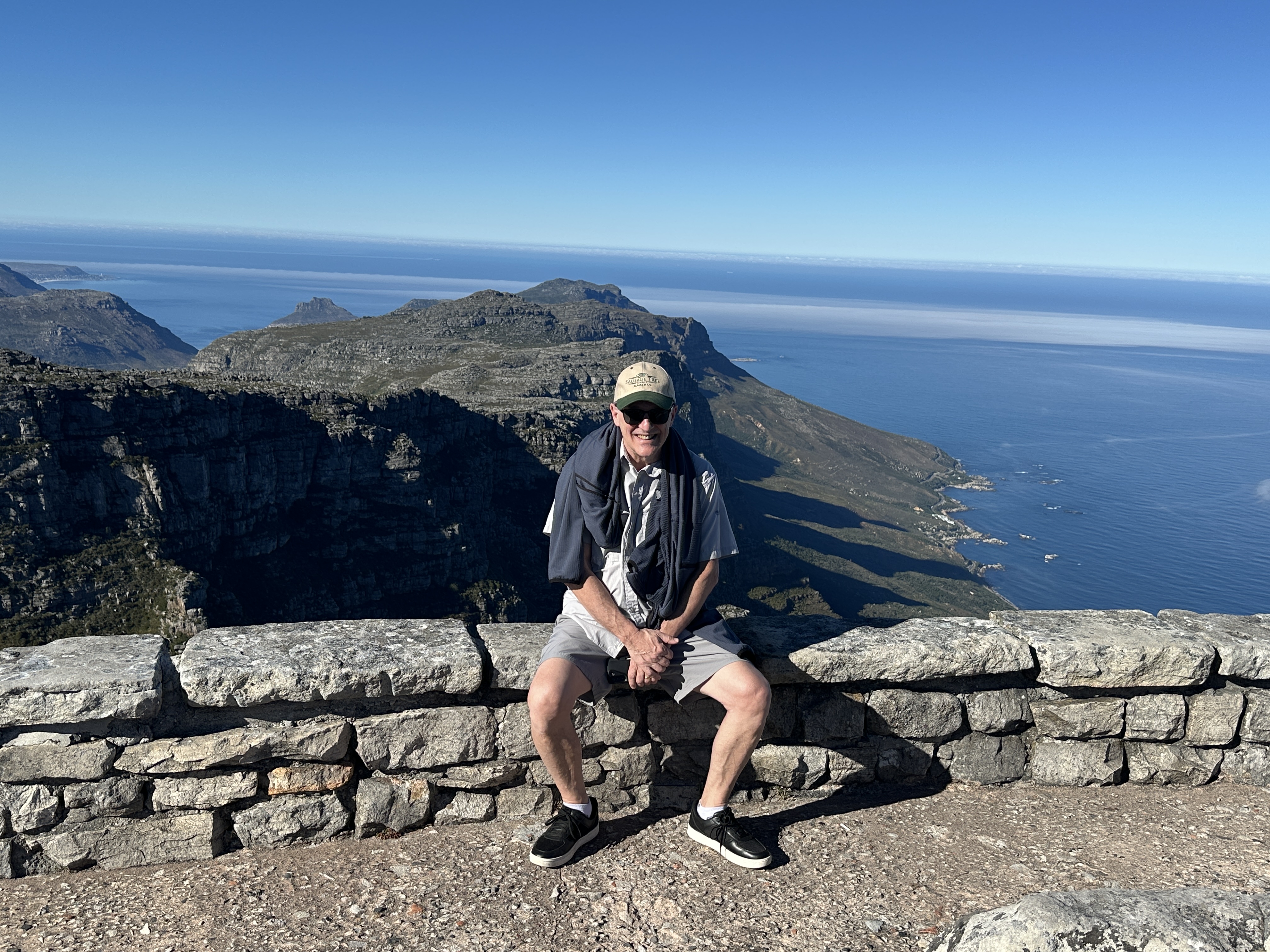
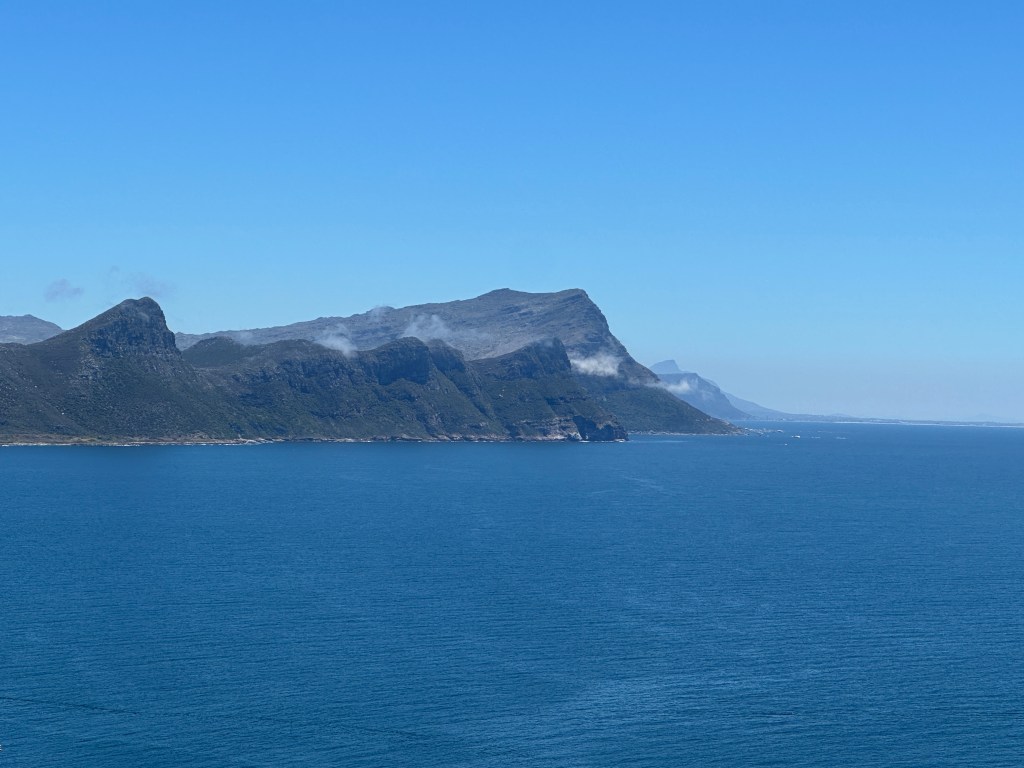
We also took a trip up iconic Table Mountain and then a drive down to the Cape of Good Hope. The early Portuguese explorers believed this to be the southernmost point in Africa, where the Indian Ocean meets the Atlantic thereby providing a sea route to the riches of India, China for cargos of spices, tea and other precious materials. They were wrong, the real southernmost point lies several hours east, but the Cape is more photogenic!


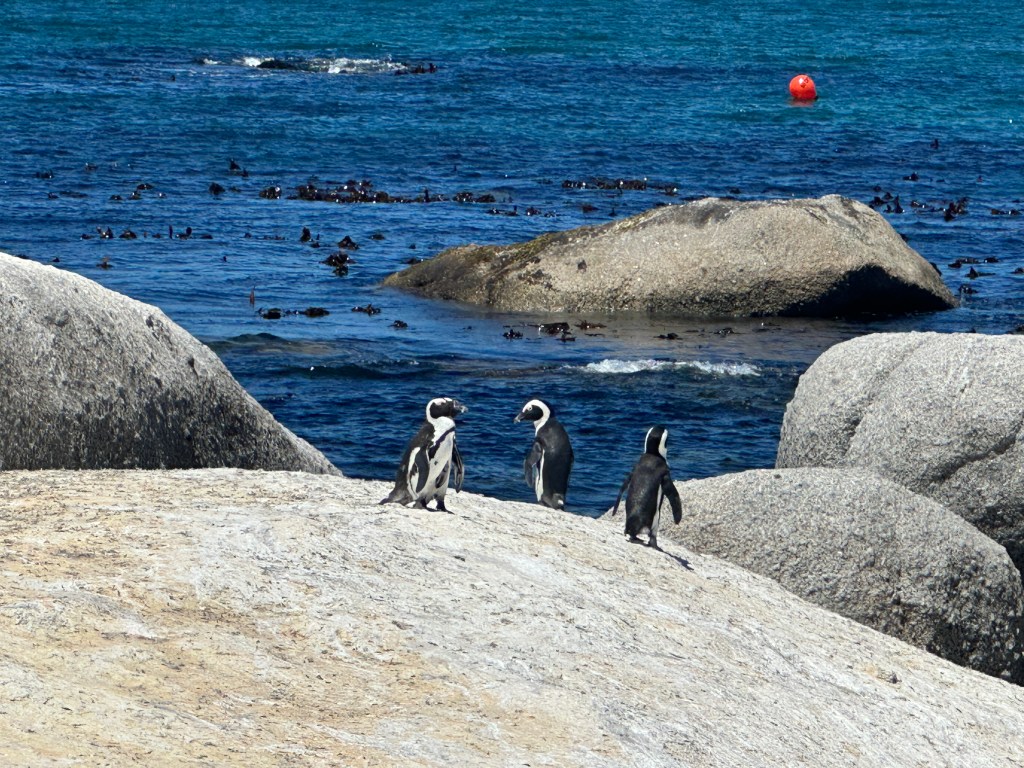


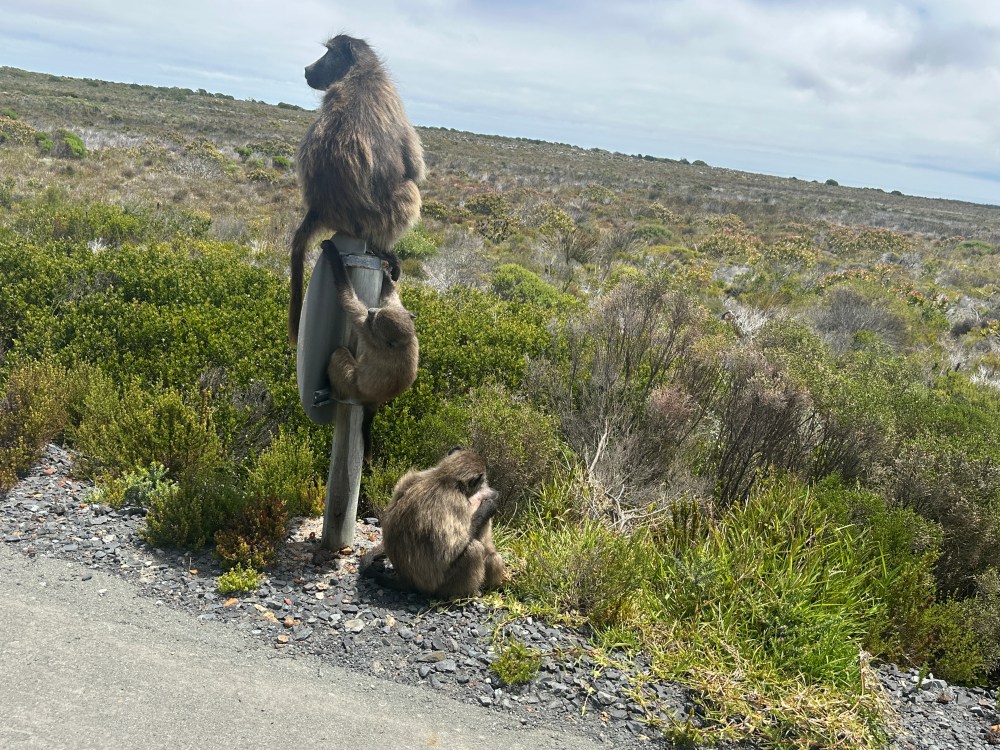
In addition to fabulous scenery; rocky beaches, sandy coves and verdant cliffs, there is wildlife- penguins, baboons and strolling ostriches. A fabulous day trip from Cape Town. We engaged the services of Munier, the Uber driver who picked us up from the cruise terminal for a beautiful day, including a transfer to the airport for our flight home.

Yes friends, I am a bit slow posting the stories of this great trip. Blame it on jet lag and return to reality stuff- like taking down the Christmas decorations. Hey, got it down before Valentine’s day! Cape town was our last stop, and my favorite, will work back from there. Next up, a visit to the Cape Winelands. You knew wine had to be here somewhere. Stay tuned!
Microsoft Co-Pilot AI was used in contructing this post
 Explorer Barb