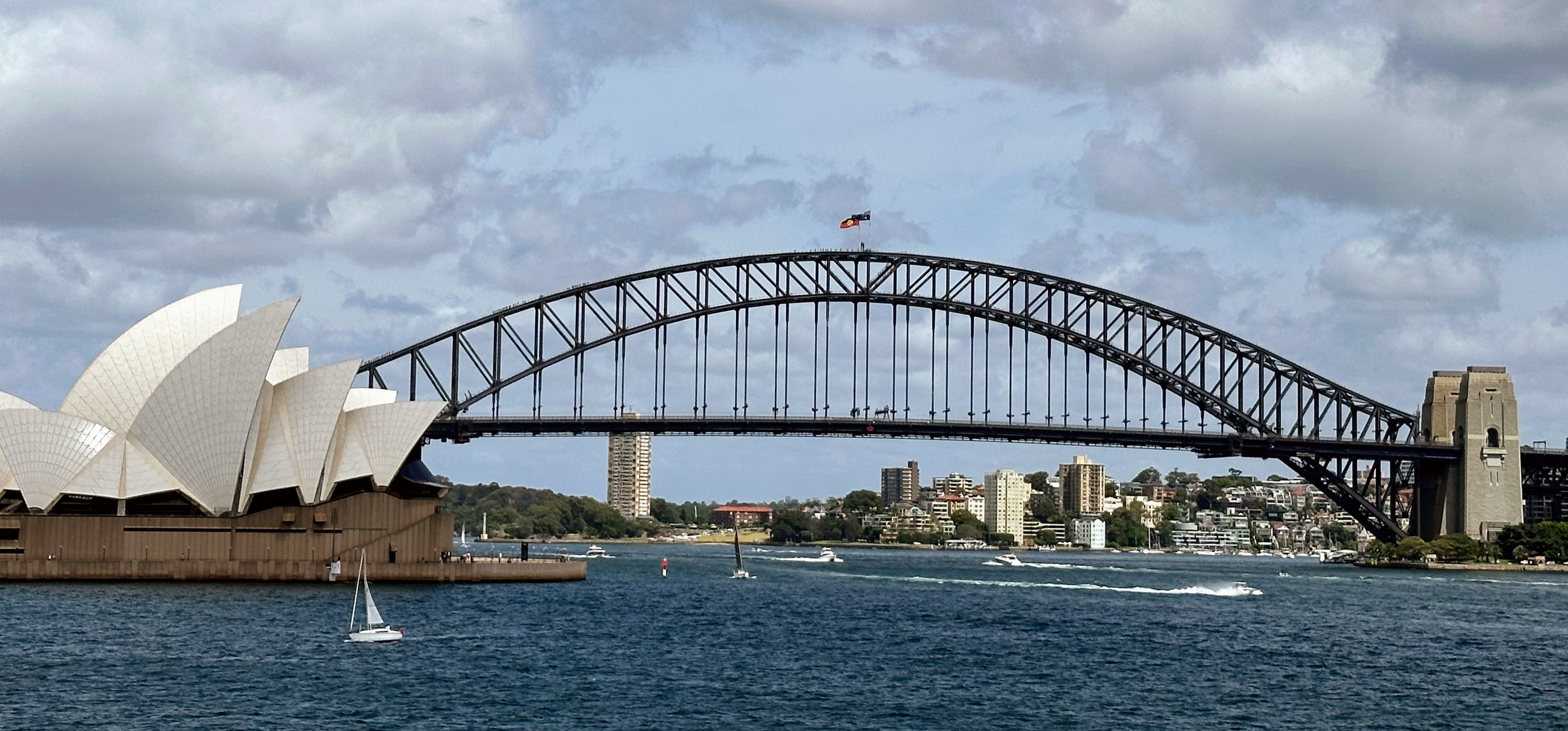
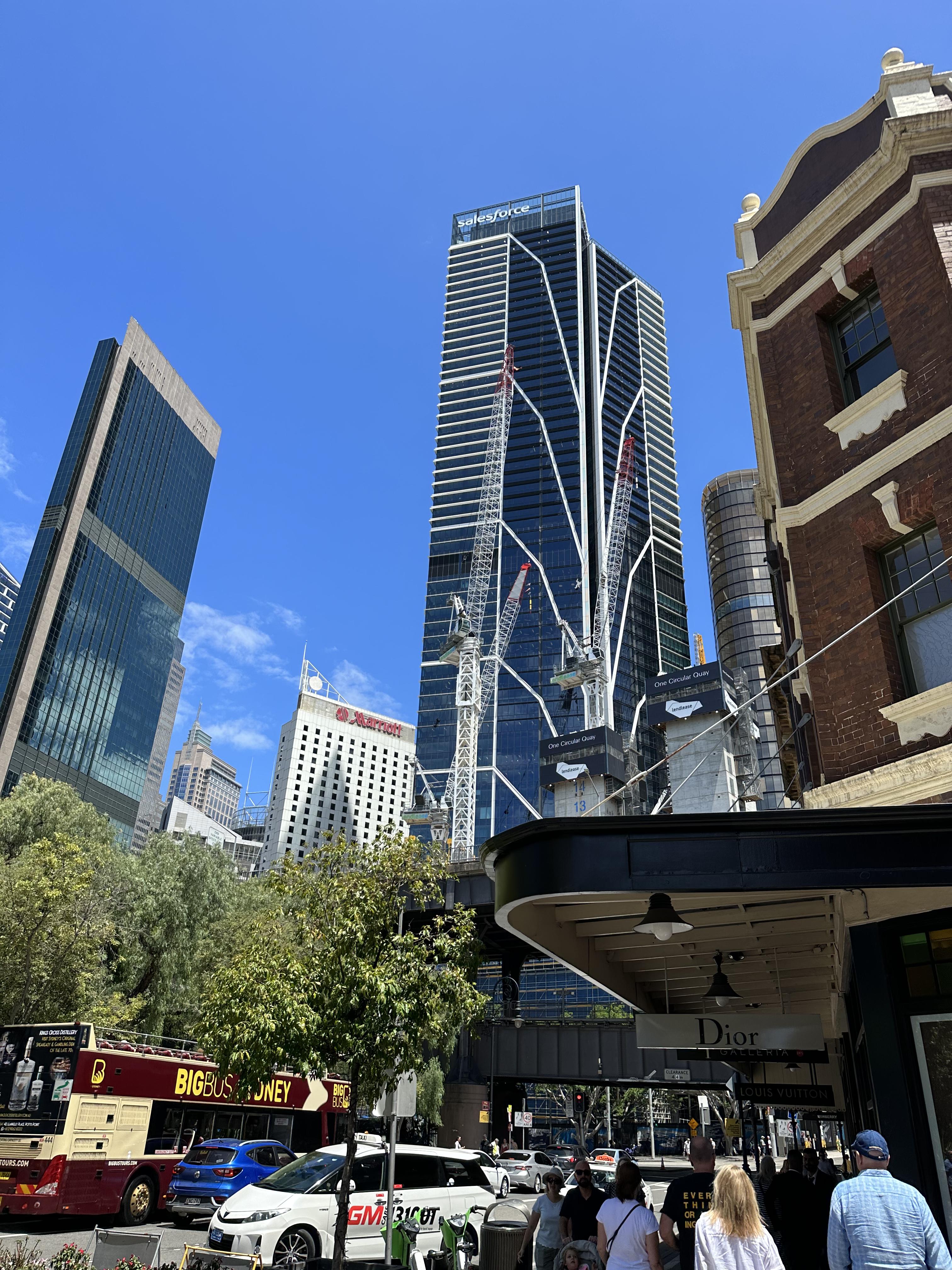
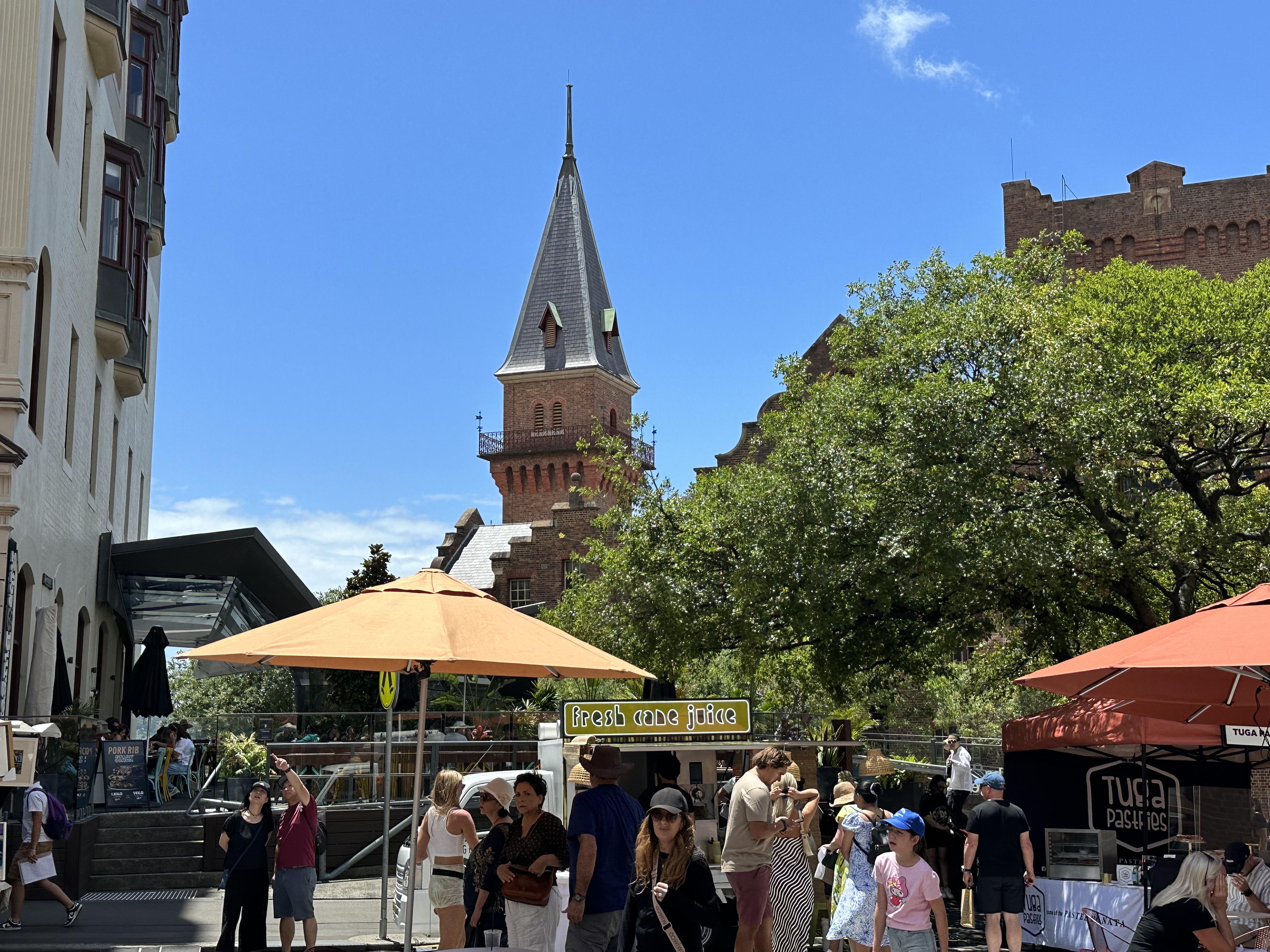
It’s been awhile fellow explorers, but Explorer Barb is back on the road (or really the air and the seas). This time we have made our way down under where it is summer, the people are friendly and have lovely accents. After a long, long time on planes we landed in Sydney where we had a couple of days to get used to whatever time and day we were in and see some of the sights, It is a beautiful city, built around the huge Sydney harbor (over 150 miles of shoreline).

What do you really know about Australia? It’s big- slightly smaller than the US land mass without Alaska. But with 26 million inhabitants vs the US 333 million it has a much smaller population density.
However- Australia has the most urbanized population in the world; with 95% living in cities or large towns. Why? 80 % of Australia’s land mass is desert, which concentrates the population is small pockets along the coast.
Britian settled Australian as a penal colony. Largely true, but the full story is more interesting, well to me anyway. Considering that the European discovery of the Americas began in 1492, Australia came late to the western world’s attention with Captain Cook’s exploration in 1772. He mapped the western coast and claimed the land for Britain. Meanwhile back home, the industrial revolution was displacing workers throughout the country resulting in terrible urban poverty and crime as people sought to survive. Justice was severe, theft punishable by hanging and prisons as we know them today did not exist. Transportation was the penalty of choice to rid society of undesirable elements and settle people on land claimed by the growing British Empire. America had been used for that purpose until the little scuffle that began in 1776.
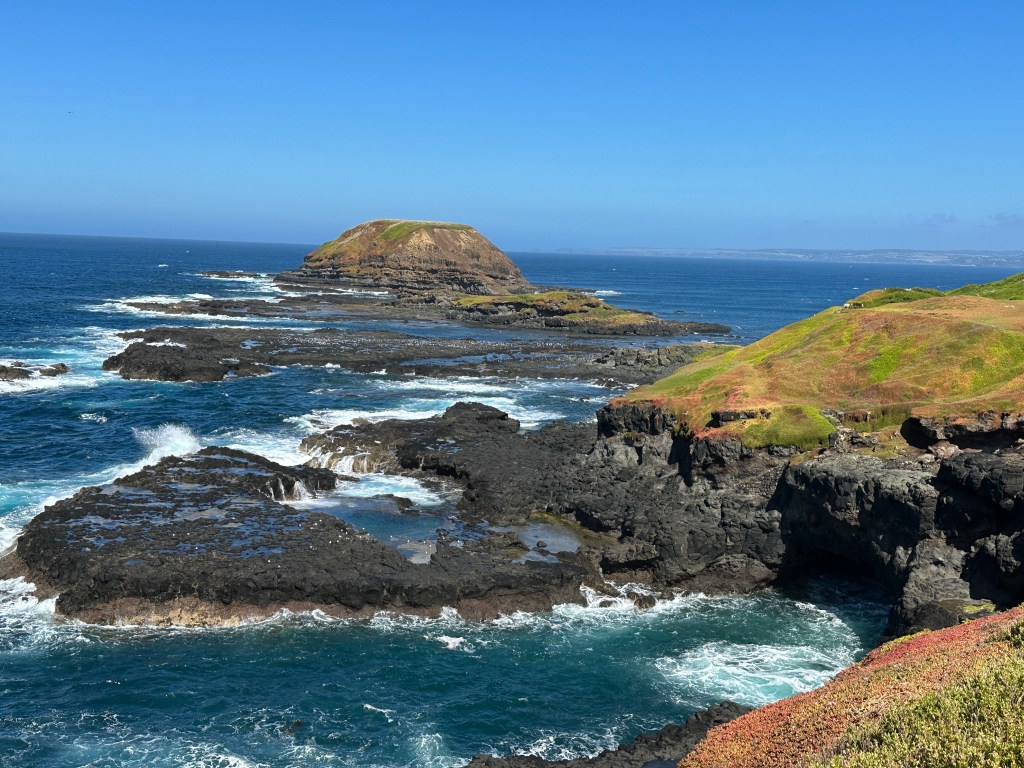
Australia was a big land mass with unknown resources. Britain was not the only world player in the exploration and settlement game. Staking a claim was one thing, to keep it you must settle and defend it. The Dutch had named it New Holland, the French were nosing about and the Spanish giving thought to launching a fleet from its base in South America. The British came back with a fleet in 1788 of convicts and sailors and started settling around Sydney. The French got distracted by Madame Guillotine and the Spanish just never got their act together leaving Australia part of the British Commonwealth and its cars driving on the left. History lesson complete.
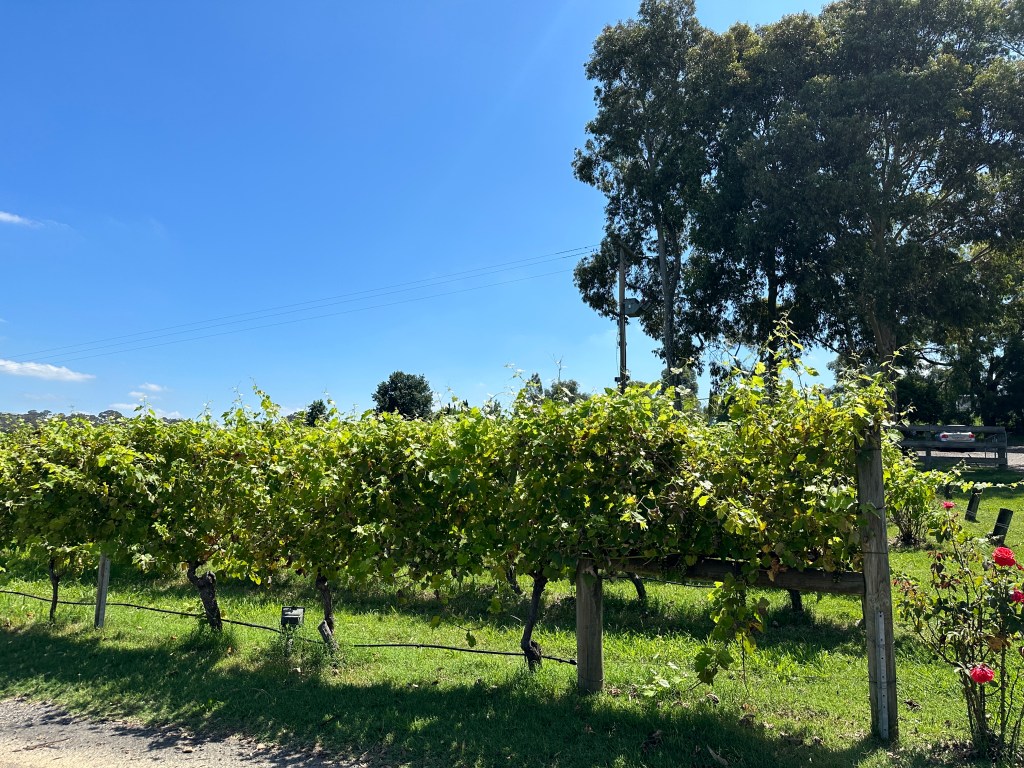
Vineyards near Melbourne
Well not quite. A few years after gold was discovered in California, the shiny stuff was found in Australia’s state of Victoria. As in the US this led to huge population growth fueling the settlement of the area. In addition, England’s cities were bursting at the seams and the British government promoted resettlement. Gold also helped pay off the British Government’s massive debt from the Napoleonic wars and the aforementioned scuffles with the former colonies, helped finance the industrialization of Australia and keep Britain at the forefront of world powers for another century.
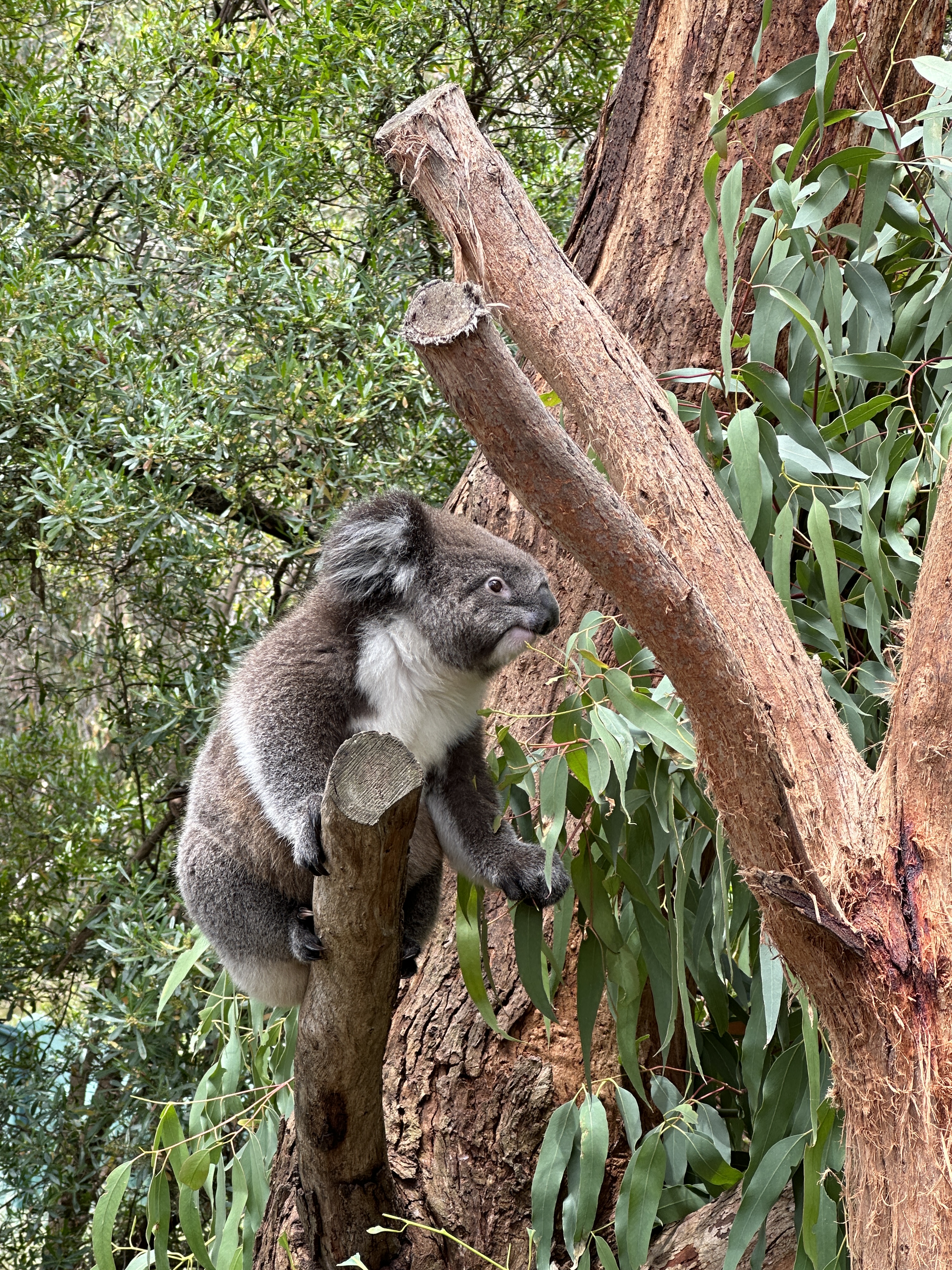
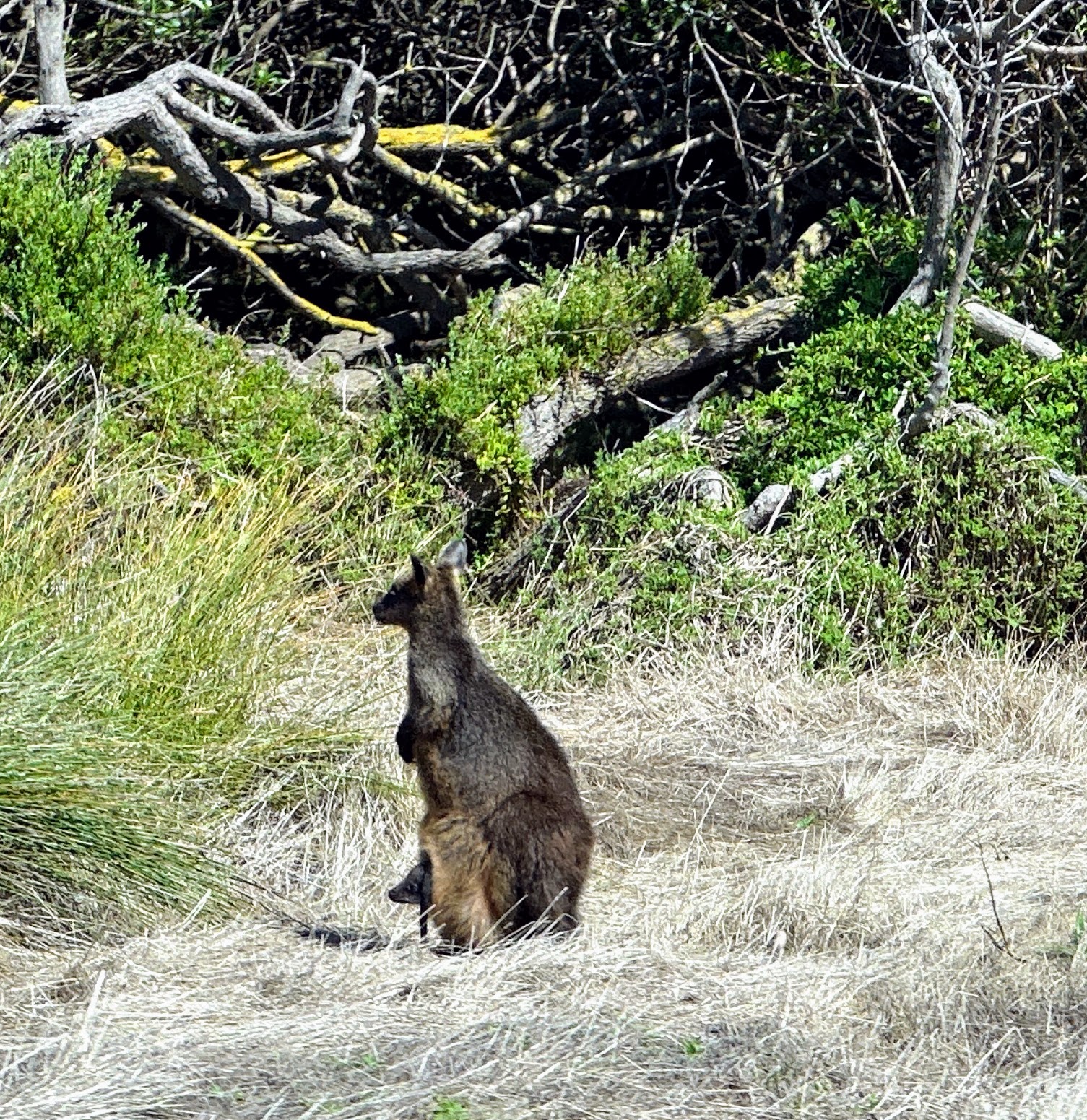
Australia’s flora and fauna is unique. 80% of its animal species are only found there. Kangaroos, wallabies, Koalas yep. But like much of the world imported species have become invasive. What comes to mind when you picture wildlife roaming the vast arid plains? How about camels? Whaaat? Camels were imported as a better transportation alternative to horses for this climate, and now the only herd of wild dromedary (one humped) camels on the planet is here. In fact, the one million feral camels have become problematic. If left unchecked, the population will double every 8-10 years. And these things are huge- picture hitting one on an open desert highway….
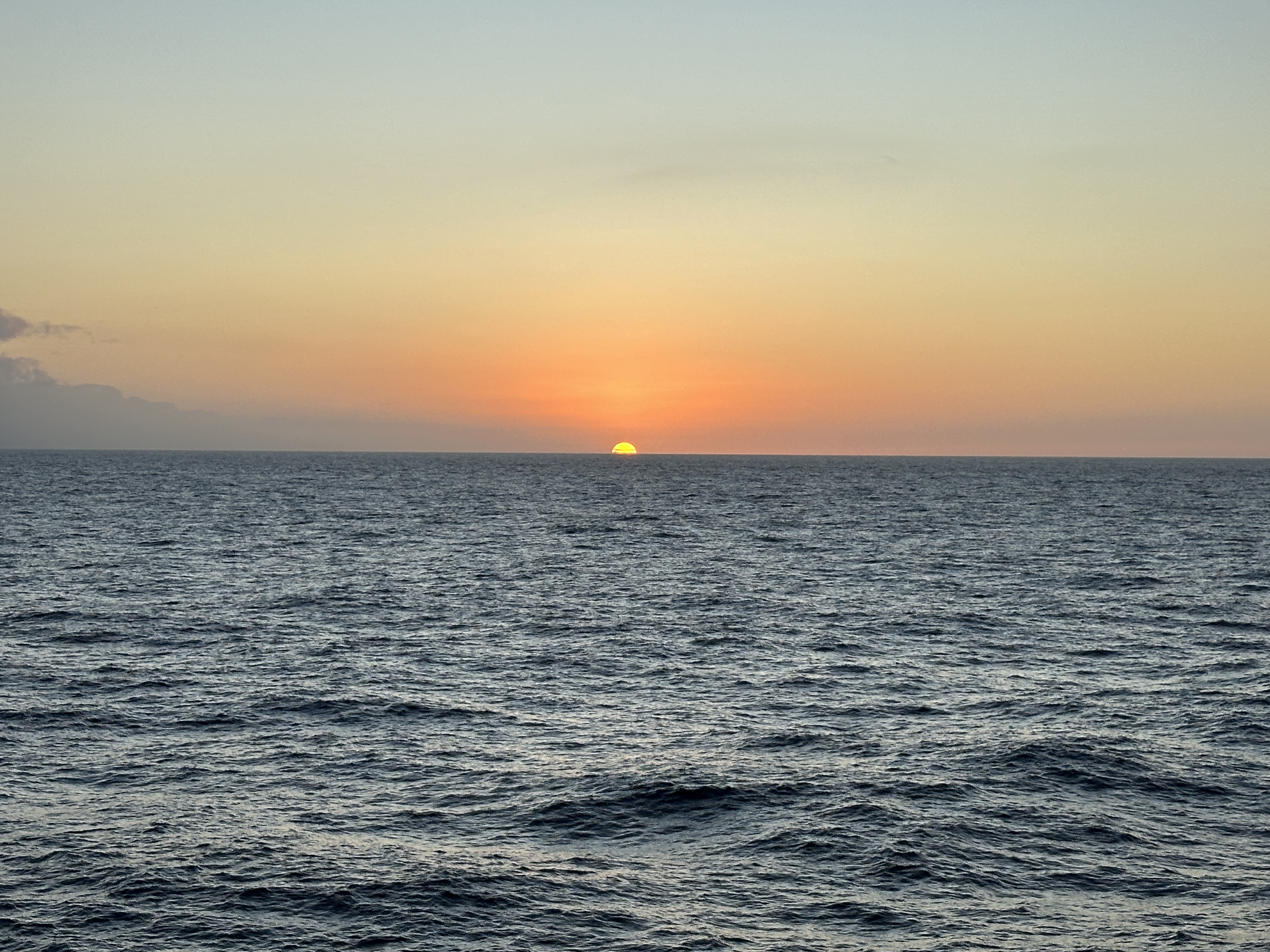
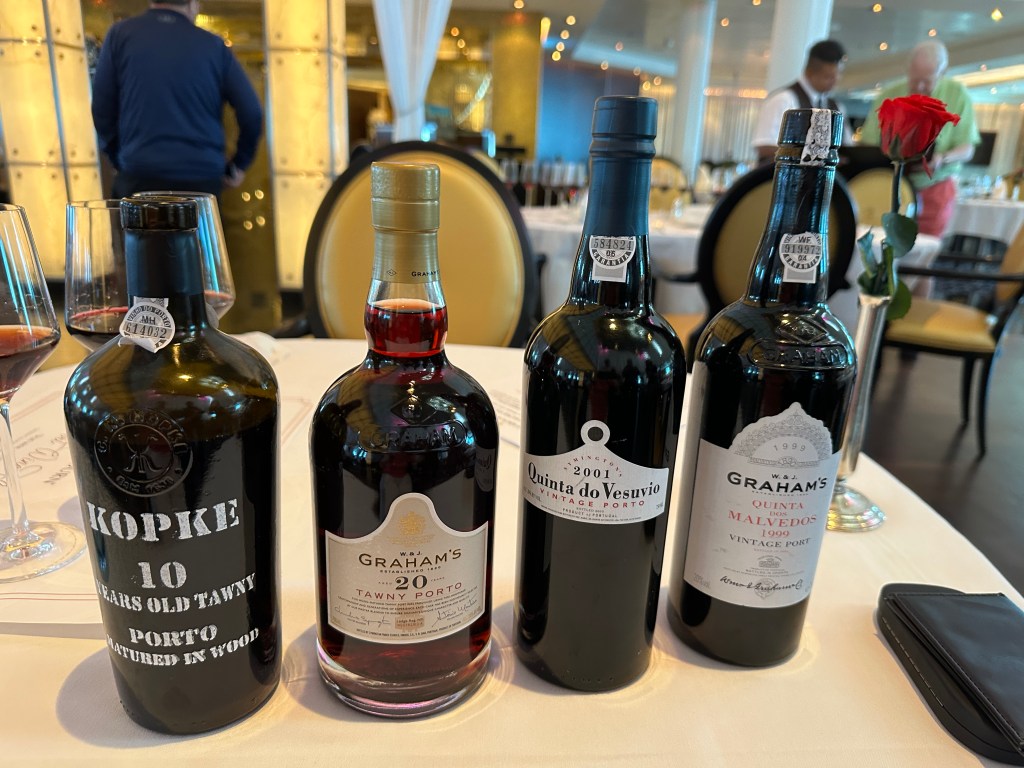
I’m writing this from the Seabourn Odyssey sailing the Tasman Sea on the way to New Zealand. Clearly not suffering on a lovely ship with great food and plentiful beverages. Next up: Milford Sound.





 Explorer Barb