And that is about all I could have told you about Greenland before we made our way in that direction.
Home to 56,000 people and technically a self-governing region of the Kingdom of Denmark, Greenland is world’s largest island that is not a continent. Viking Erik the Red put the “Green” in the name as a marketing ploy to attract settlers. Not the most ethical of individuals, having already been tossed out of two countries for little infractions like murder, he somehow convinced 700 or so to set out on the journey. This did not go well for even the half who survived the trip. Greenland, which is 80% covered with ice turned out to be even less habitable than the relatively “greener pastures” of Iceland and the Norse settlers melted away (not literally) over the next several hundred years. At least grass grows in Iceland.

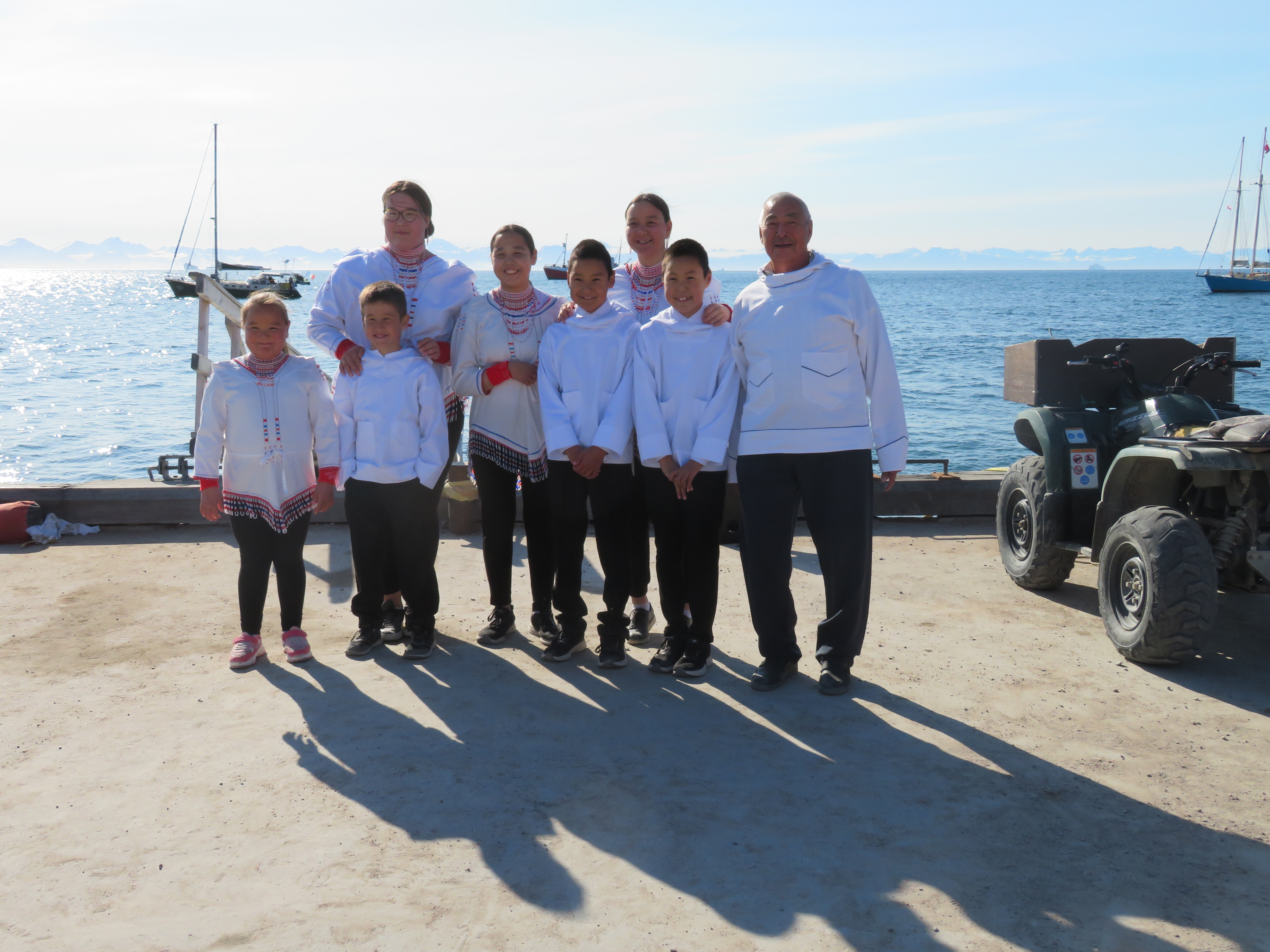
Arriving around the 9th century AD, the Vikings were not the first people to arrive. Inuit peoples first made their way from Canada when the 16 mile stretch at Thule froze over around 4,000 years or so before. Most inhabitants of Greenland are descending from subsequent waves of Inuit peoples who, not influenced by bad marketing, prefer to call their country as Inuit Nunaat, or Land of the People.
Most of the population lives along the southwest coast where the gulf stream keeps the waters free of ice year round. And speaking of ice- the Greenland ice sheet is the second largest hunk of the cold stuff on the planet. It is 1380 miles long, 680 miles wide, averages bout one mile in depth and like the Wicked Witch in the Wizard of Oz it is melting. A study released while we were traipsing about the Arctic sea forecasts that even if we stopped emitting greenhouse gases today, the ice sheet will still lose 3 % of its mass. Which could would ocean levels by a foot within 100 years.

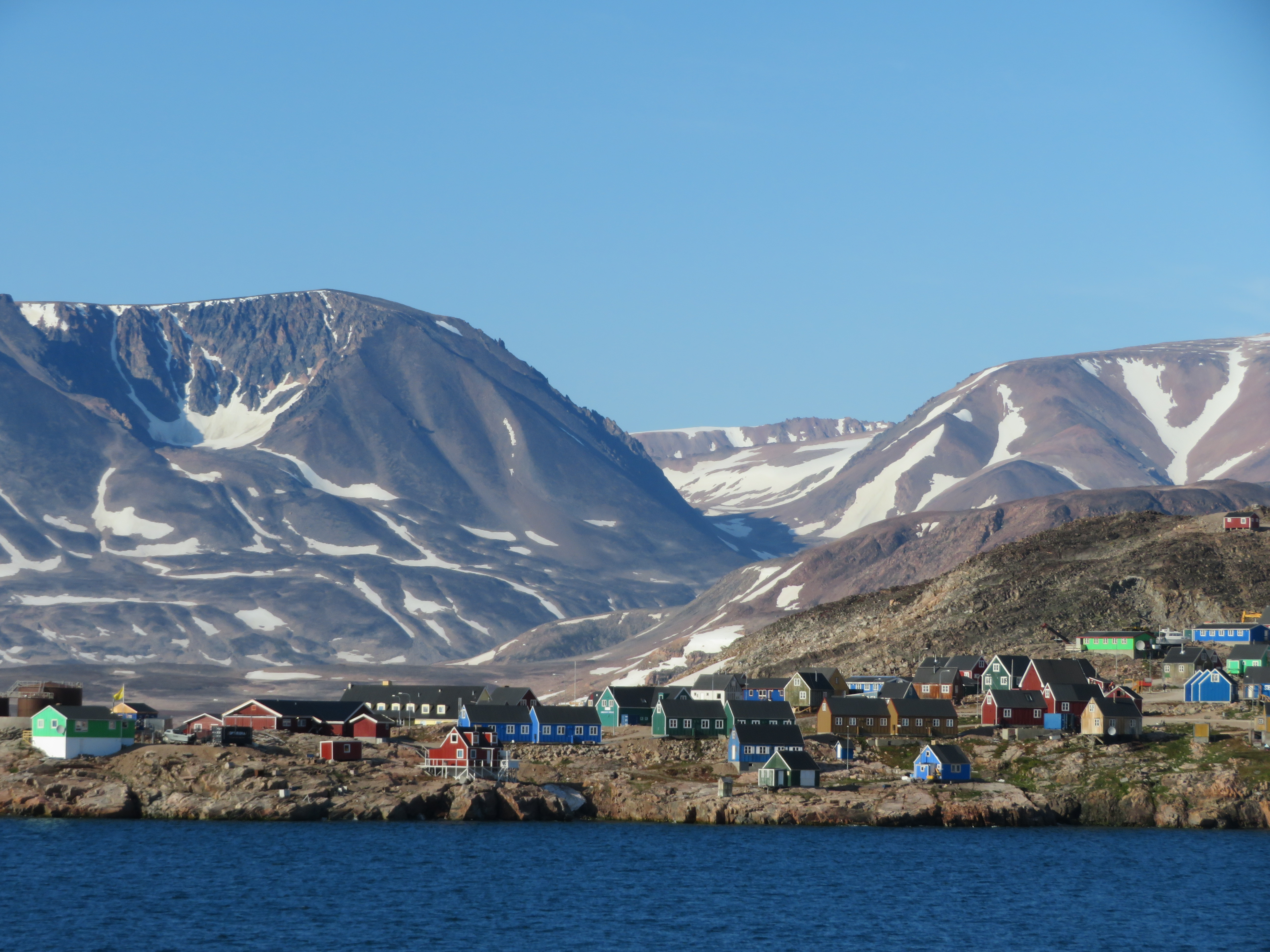
Our travels in Greenland were focused the vast fjord systems of Eastern Greenland. But first we stopped at the tiny village of Ittoqqortoormiit, one of the most remote settlement’s on Earth. Home to 350 people, it’s colorful dwellings rising up the rocky shore at the base of the mountains. It is the northernmost town on the east side of the country, it you go north along the coast you would have to go over the pole and down into Asia to arrive at the next settlement.


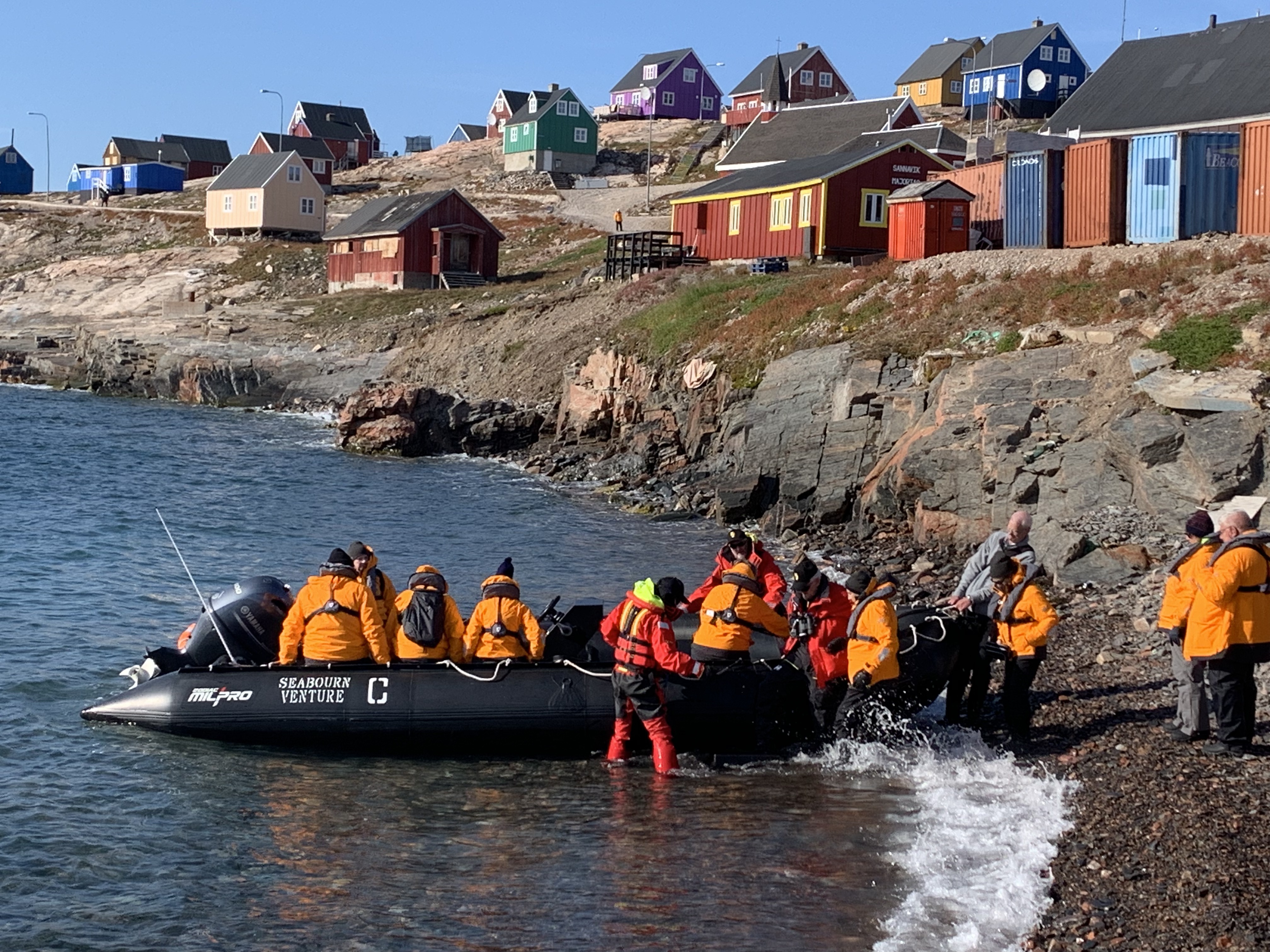

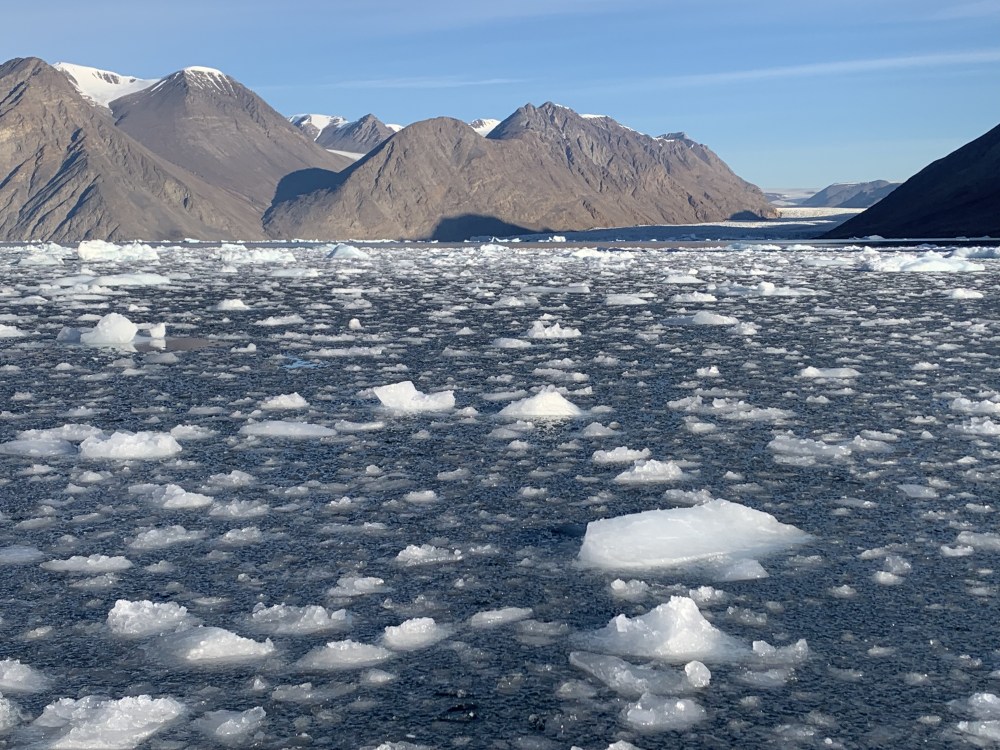
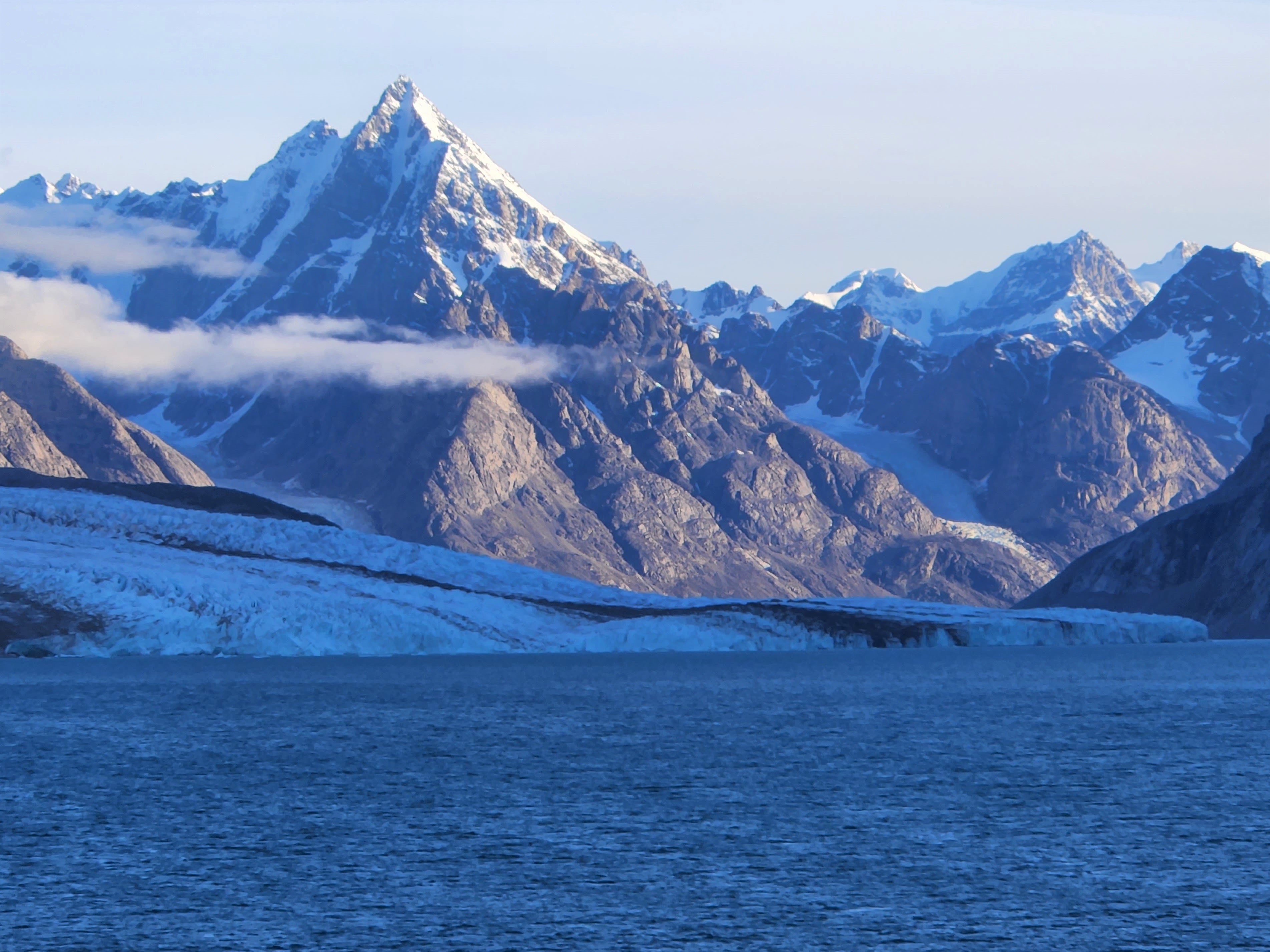
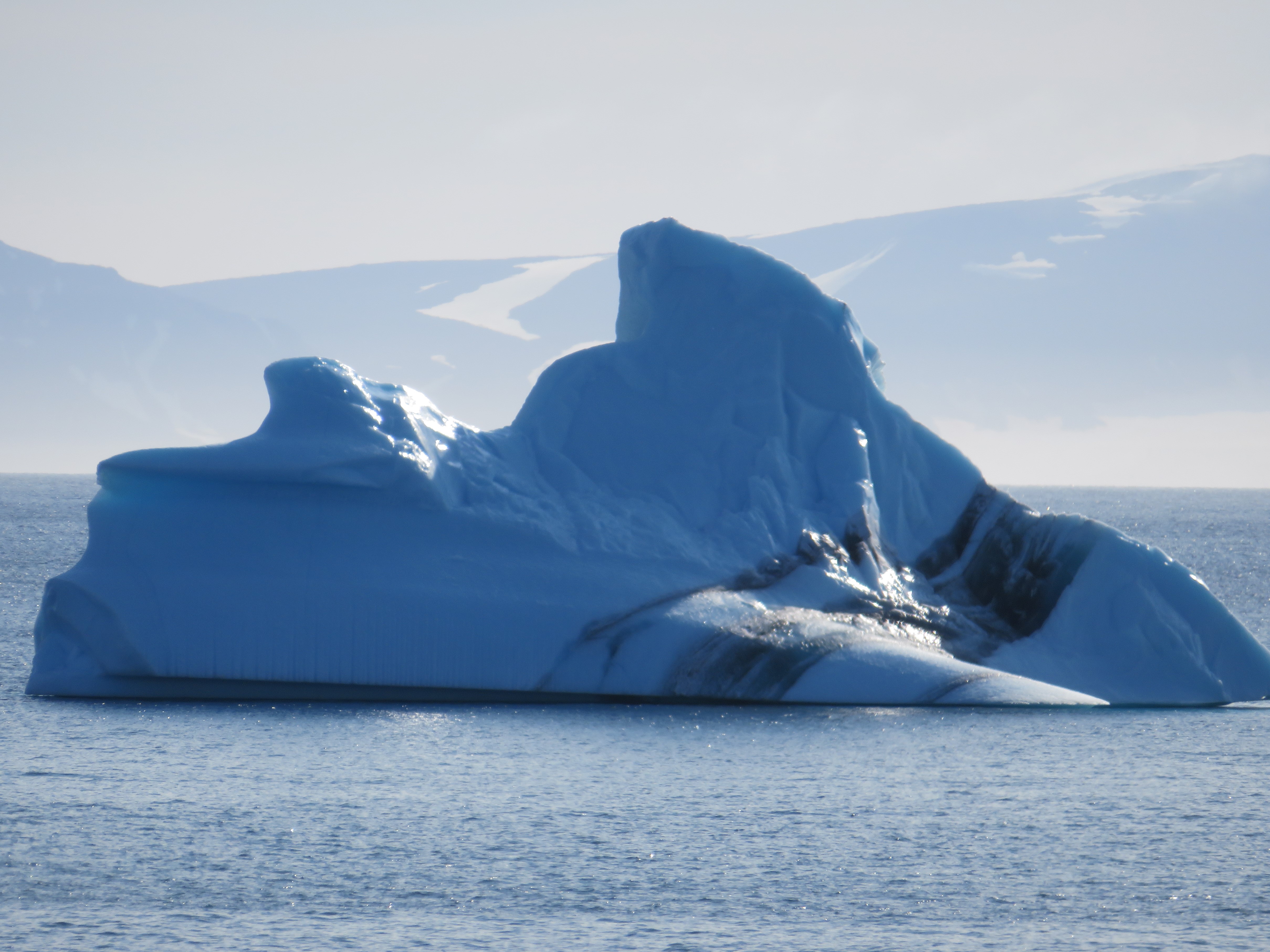
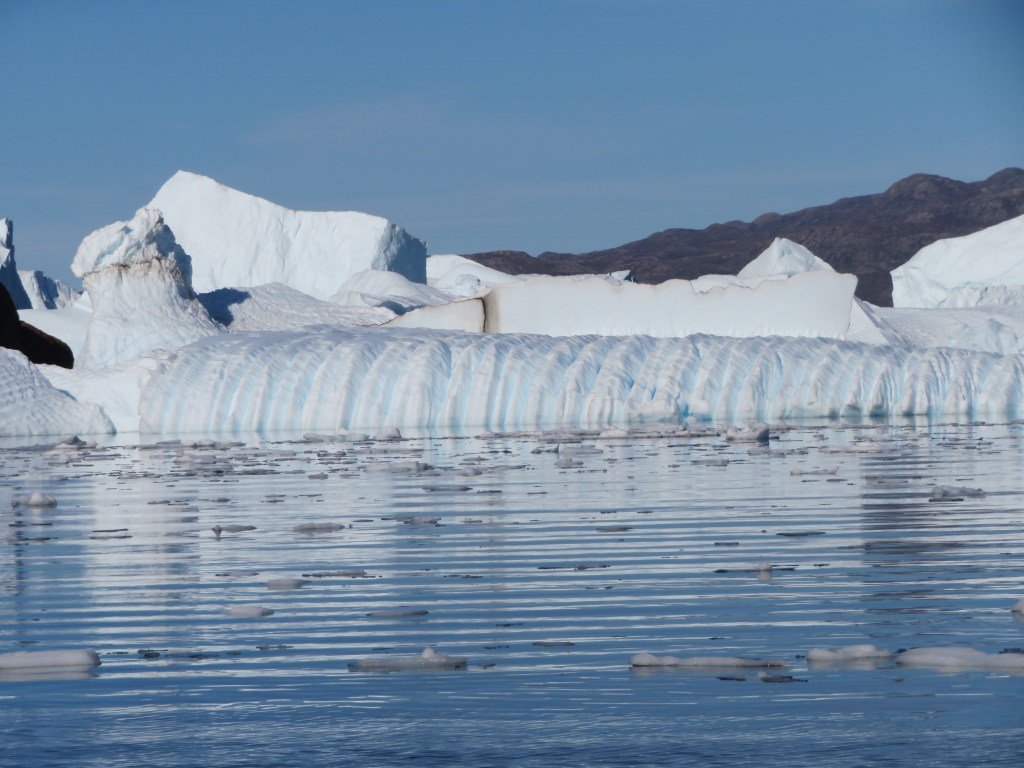
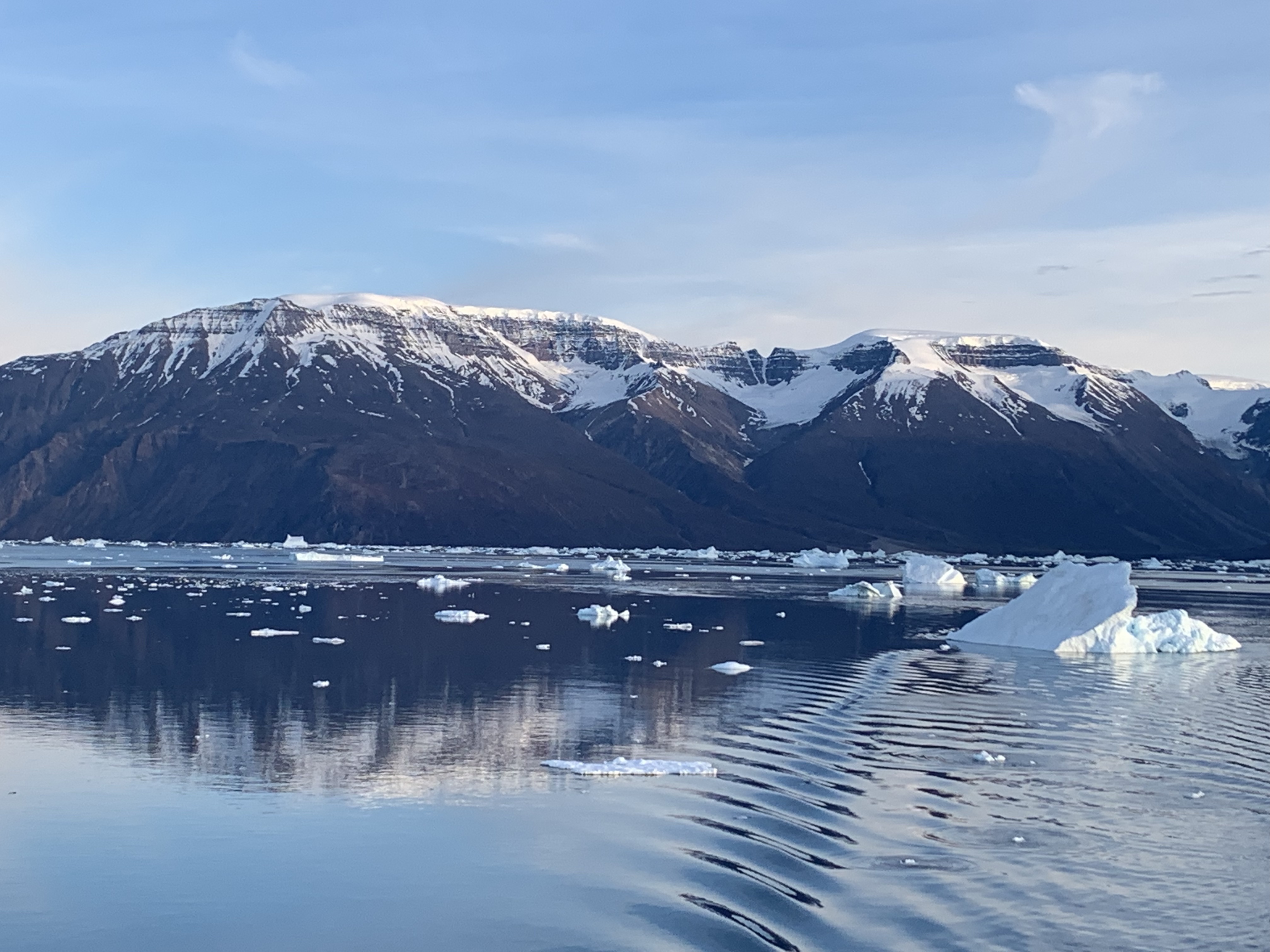
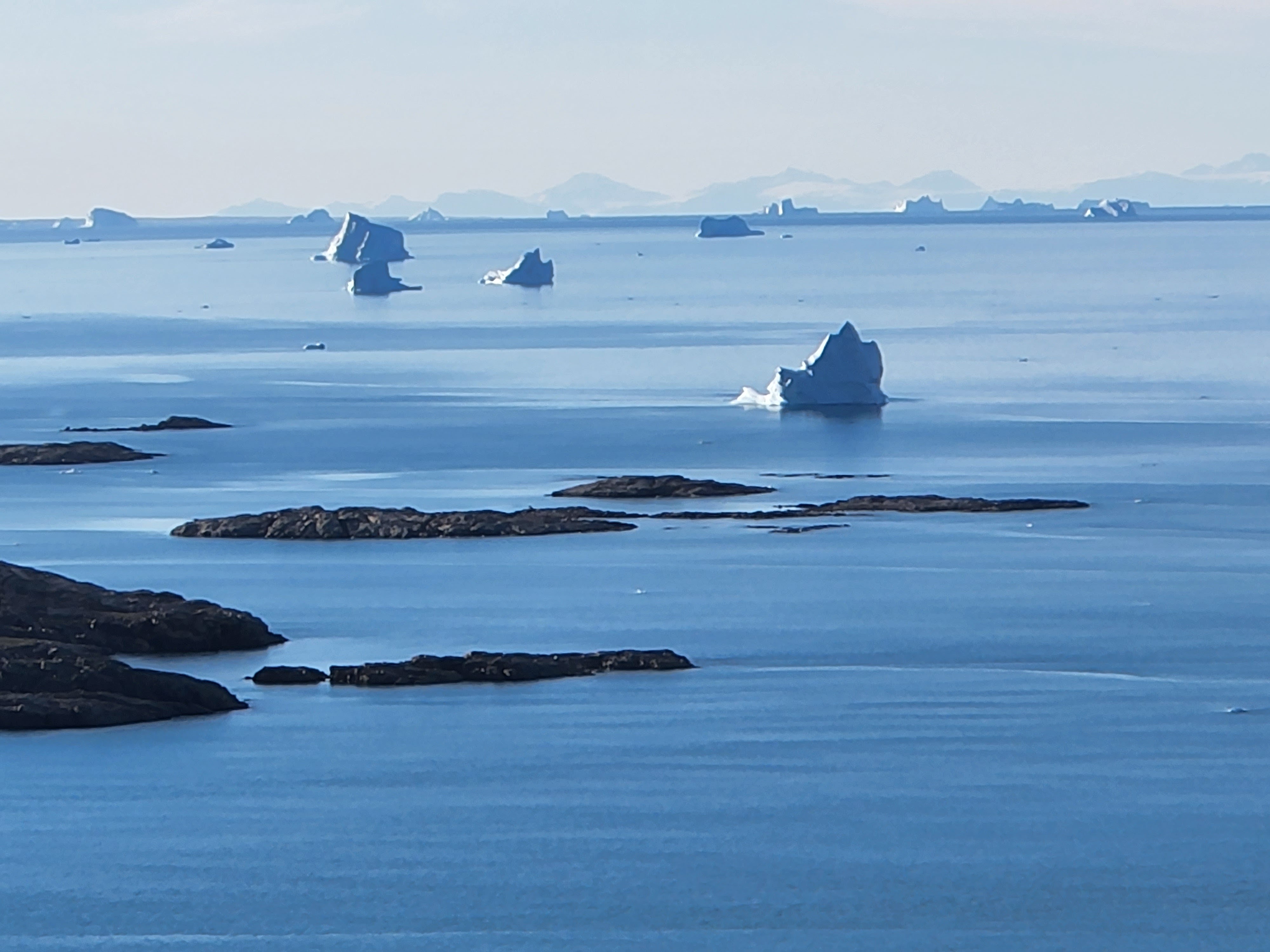
This trip was was all about the beauty of the natural world. Other than a few soldiers at a small installation that serves as a based for dog sled rescue teams, we would not see people other than those who came on our ship until arrived in Akureyri, Iceland a week later. This was the best part of the trip. We were out in the zodiac boats every day, often twice. Sometimes landing and exploring, other times cruising long the sea ice, icebergs and magnificent cliffs with their glaciers winding like massive ribbons down to the waterline.

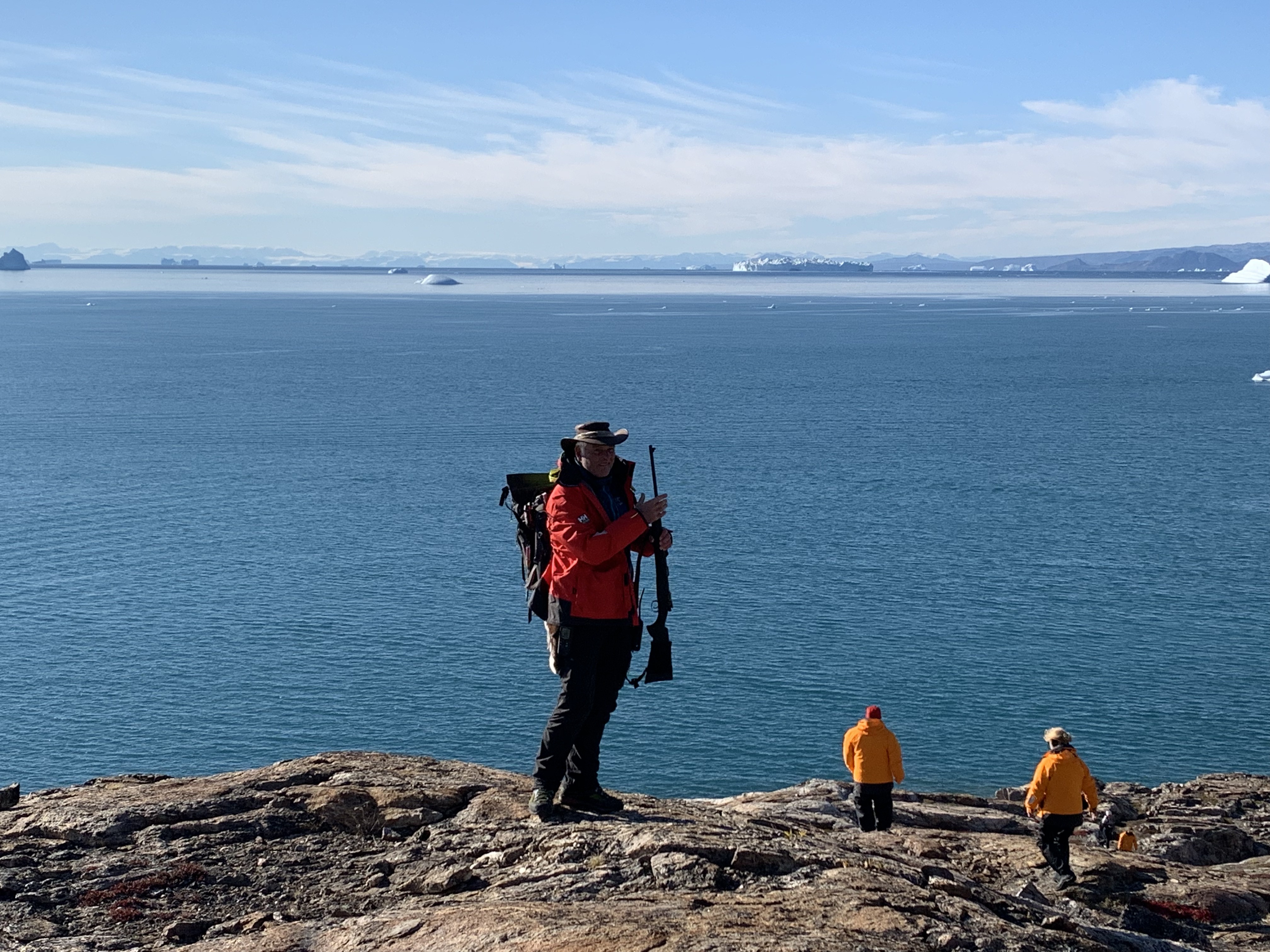
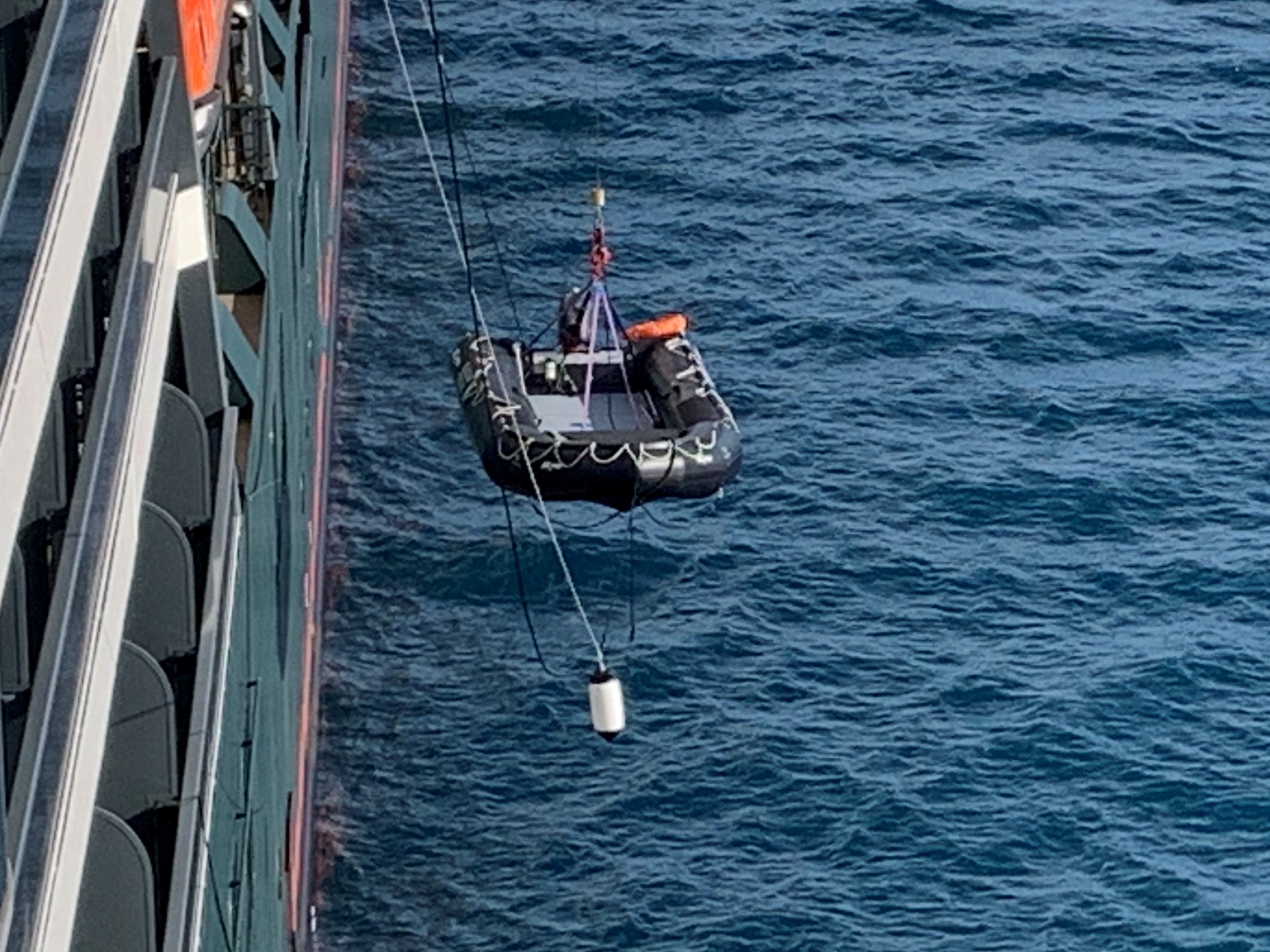
When we would arrive at a destination, while the crew loaded the zodiac boats and kayaks into the water, the expedition team headed out to access the condition of the water and the safety of proposed landing sites. What are they looking for? Things like polar bears. At this time of the year they are not typically found this far south, but sure enough as we headed into Scoresby Sund a sharp eyed sailor spotted one playing on a piece of ice. That ended plans to land and explore some Viking ruins, but chasing the polar bear was much more exciting. Even if there were no signs of polar bears, we were guarded by team members with rifles and flare pistols.
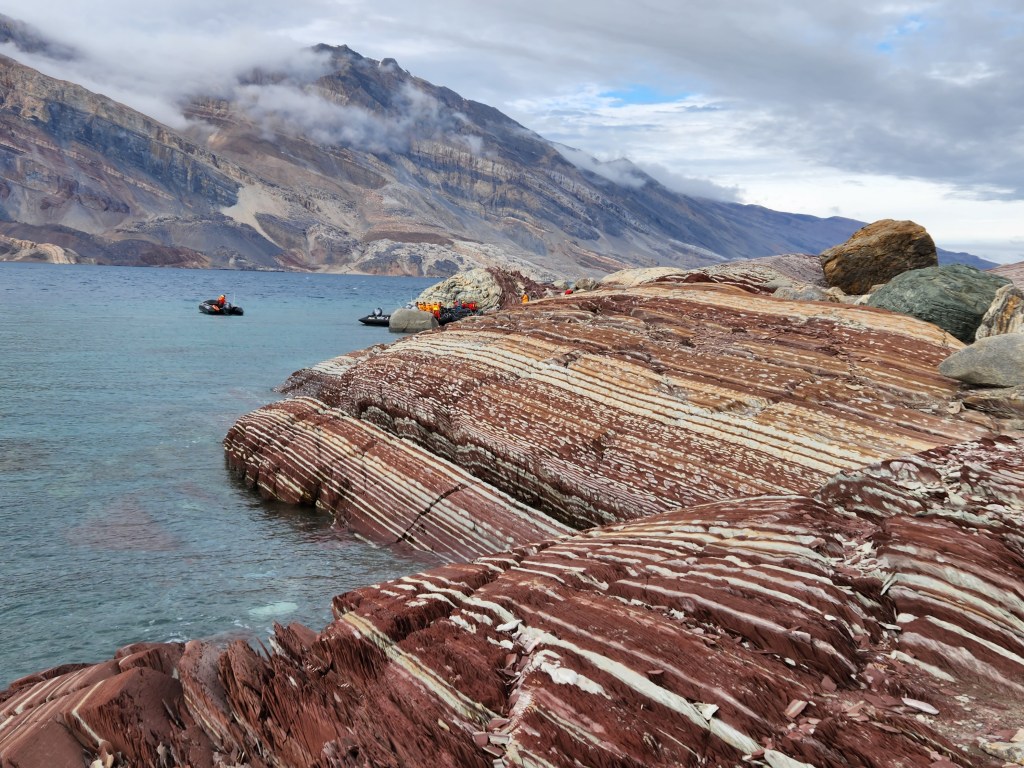
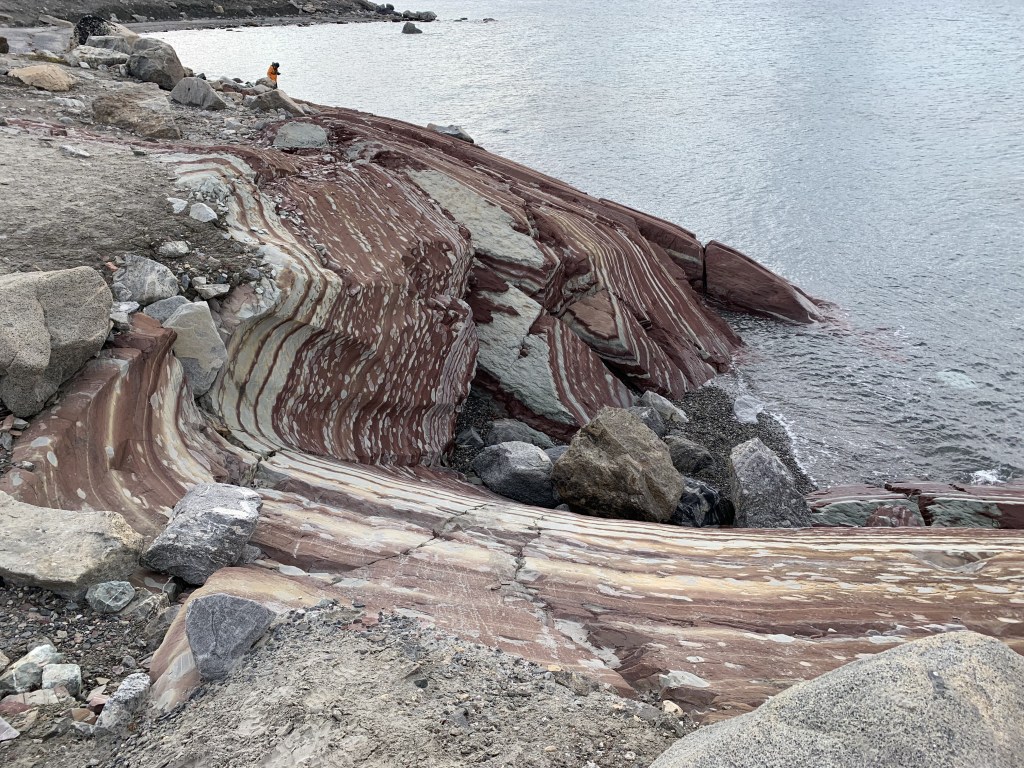
A favorite stop was Segelselskapets Fjord, a part of King Oscar Fjord where geologist (and submarine Pilot, these guys multi-task) Isak could barely contain his excitement jumping from rock to rock explaining how these folded rock layers were formed millions of years ago when the last that is now Greenland was underwater somewhere around the equator. Truly spectacular. Isak thought this was one of the top five geological wonders. Hard to argue.


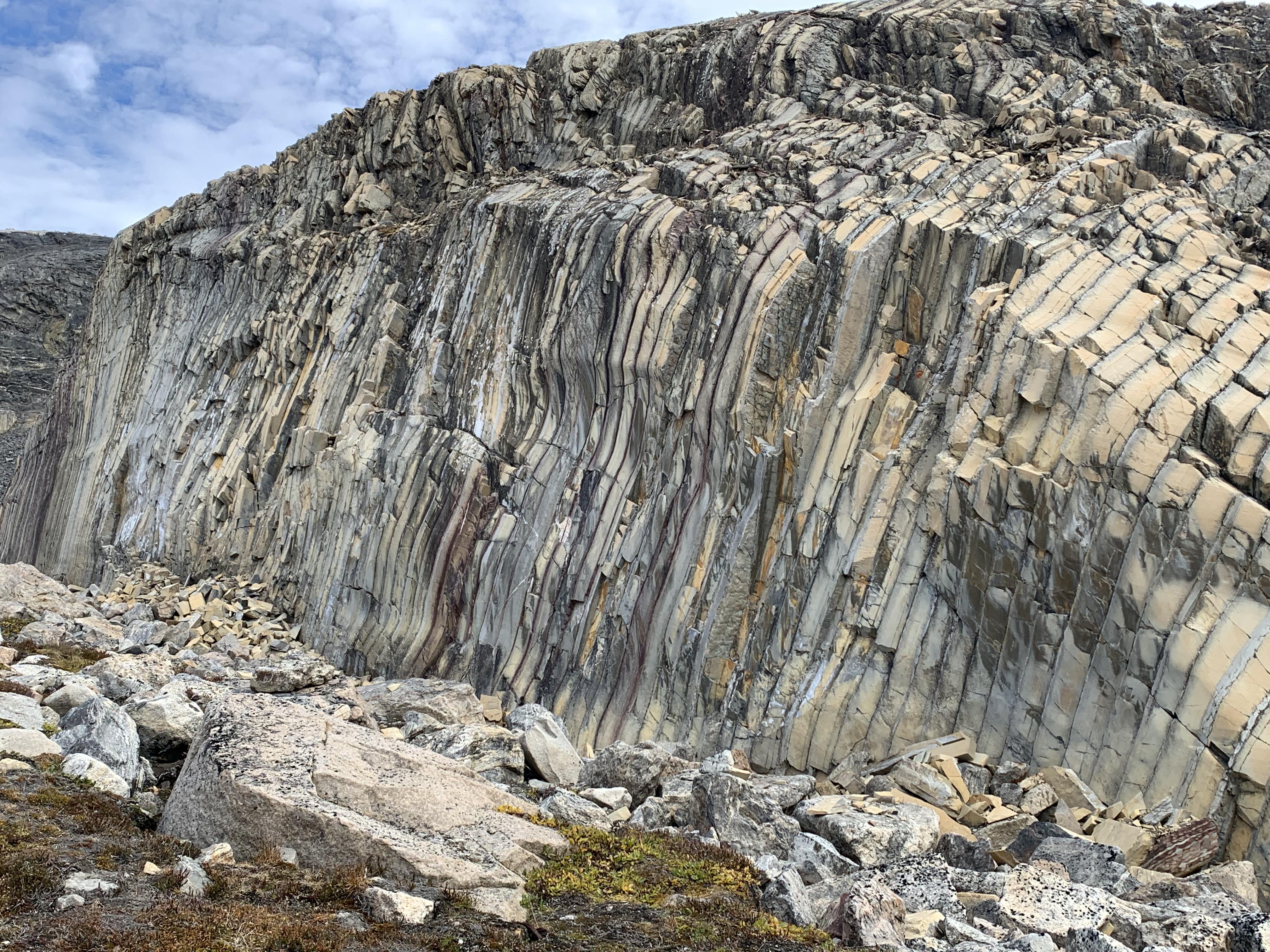
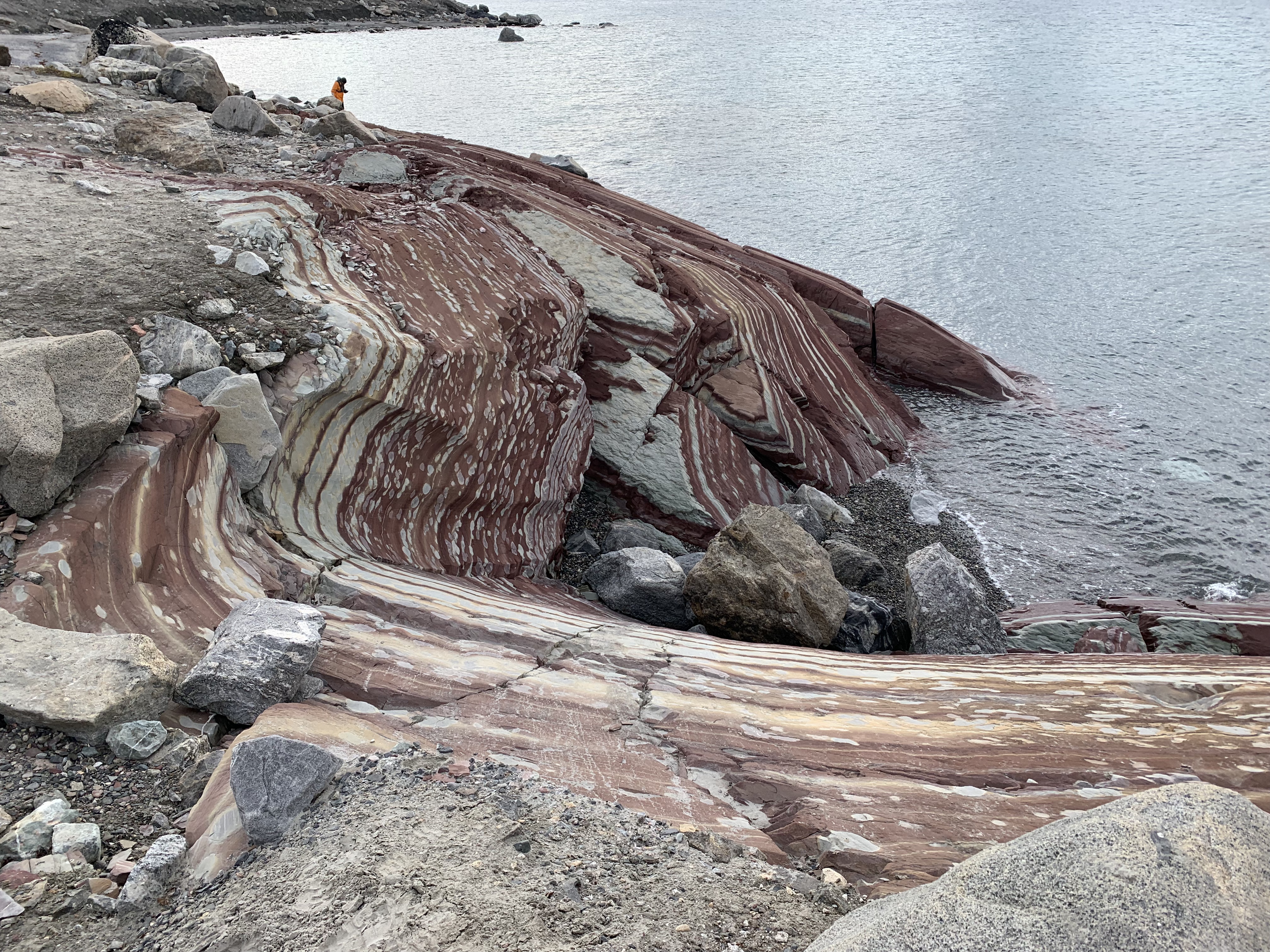

Our travels took us through Scoresby Sund, the longest fjord in the world to King Oscar Fjord and Keyser Franz Joseph Fjord. We had the chance to kayak in Kejser Franz Joseph Fjord where the water was still as glass, passing silently among the ice and glaciers.
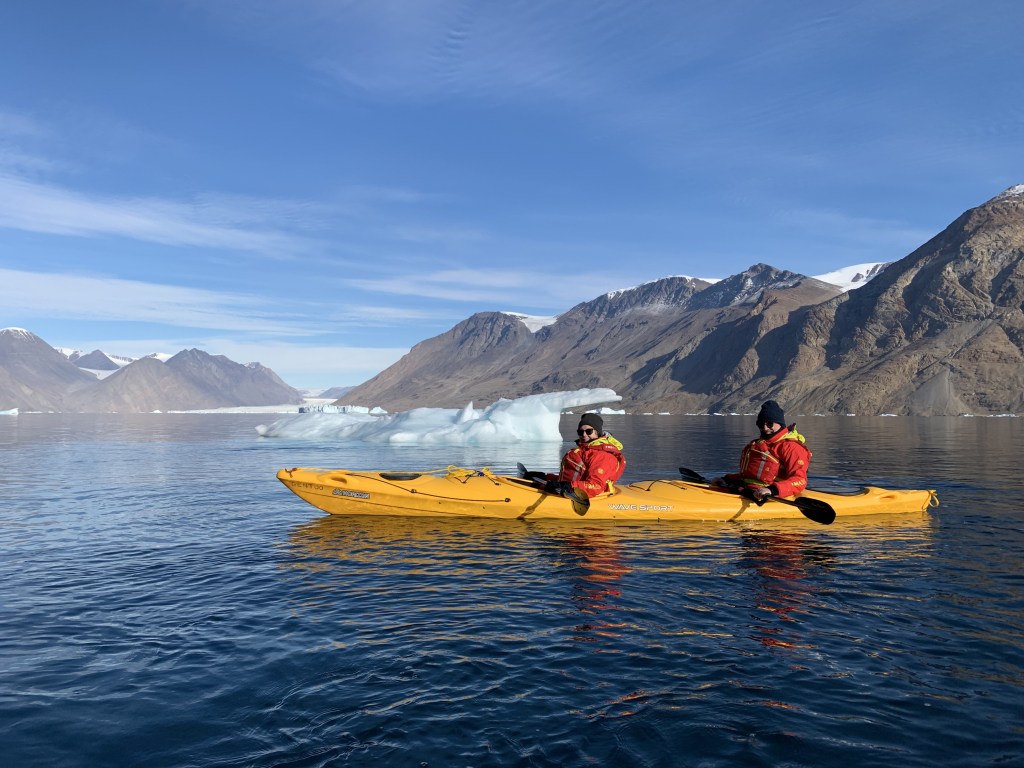
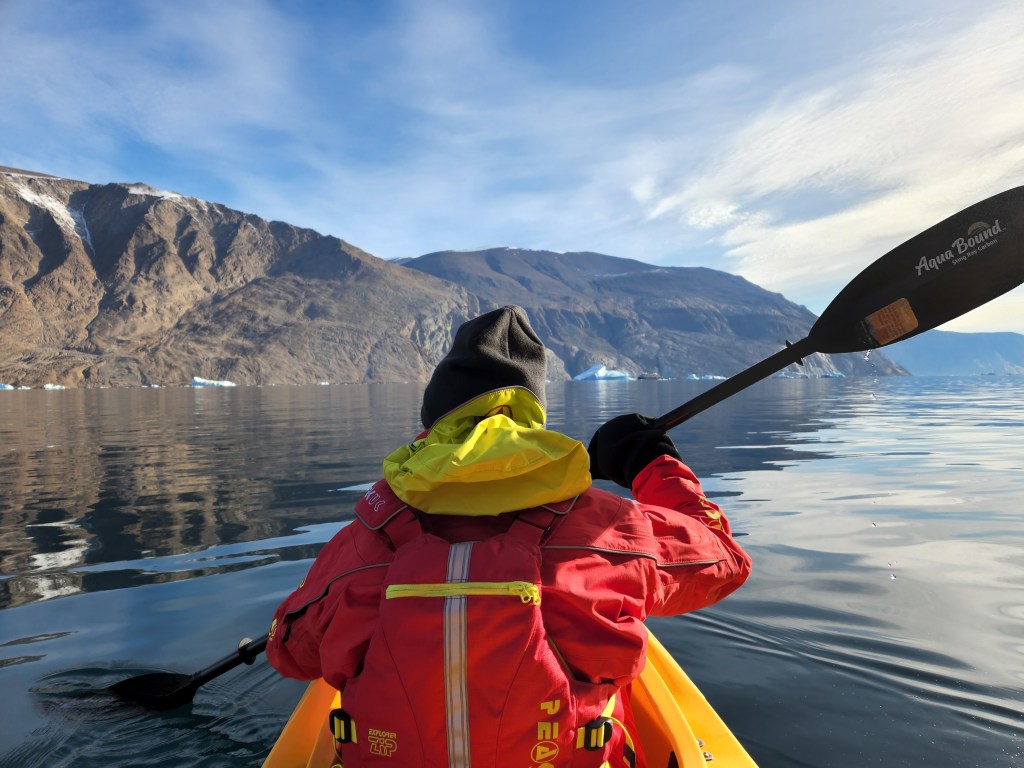

The kayaking itself was really pretty easy. That day the water was still and there was no noticeable wind. Calmer waters than on the lake in Idaho! They give orientations on the ship of what to do, how to get into the kayaks from the zodiac boats and so on. The hardest part was getting into the dry-suits. These things have lots of rubber to keep out water so getting both in and out of these over several under layers was interesting. Well worth it!!!
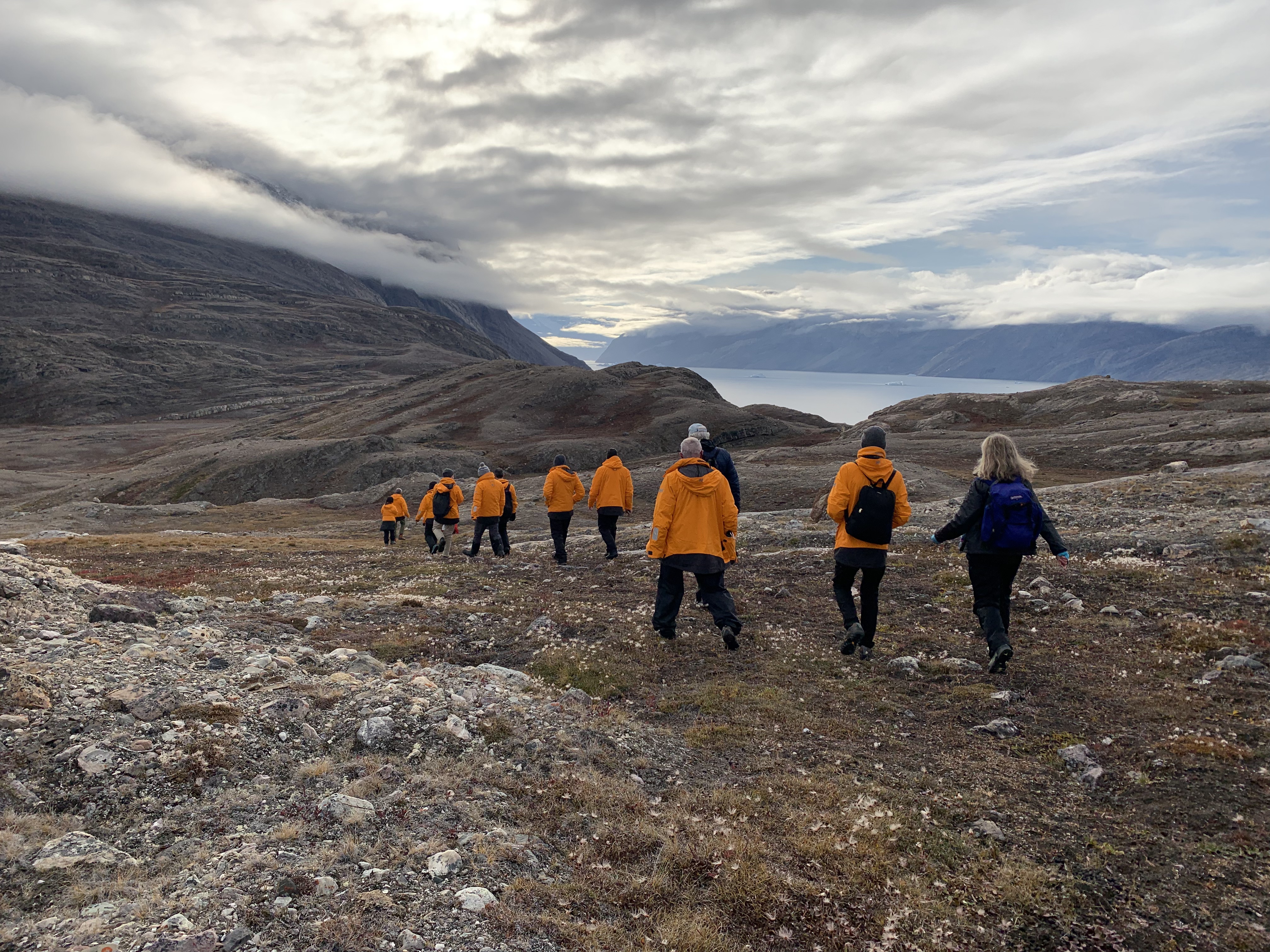
There were chances to hike, and while it did not really make up for all the calories we were consuming onboard, it felt good to get some exercise. In this harsh environment here is not a lot of wildlife, but we did see artic hares and muskoxen.
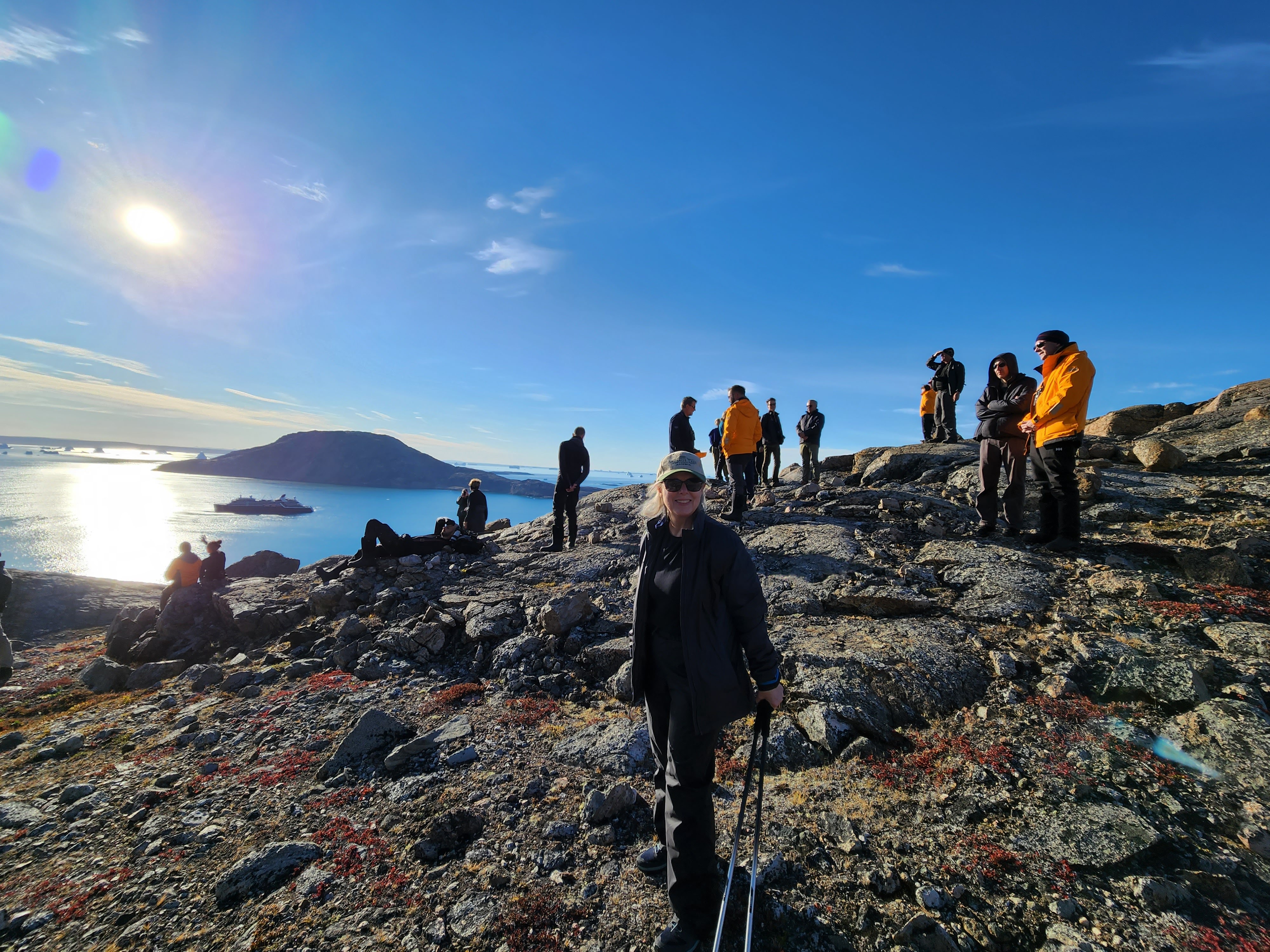
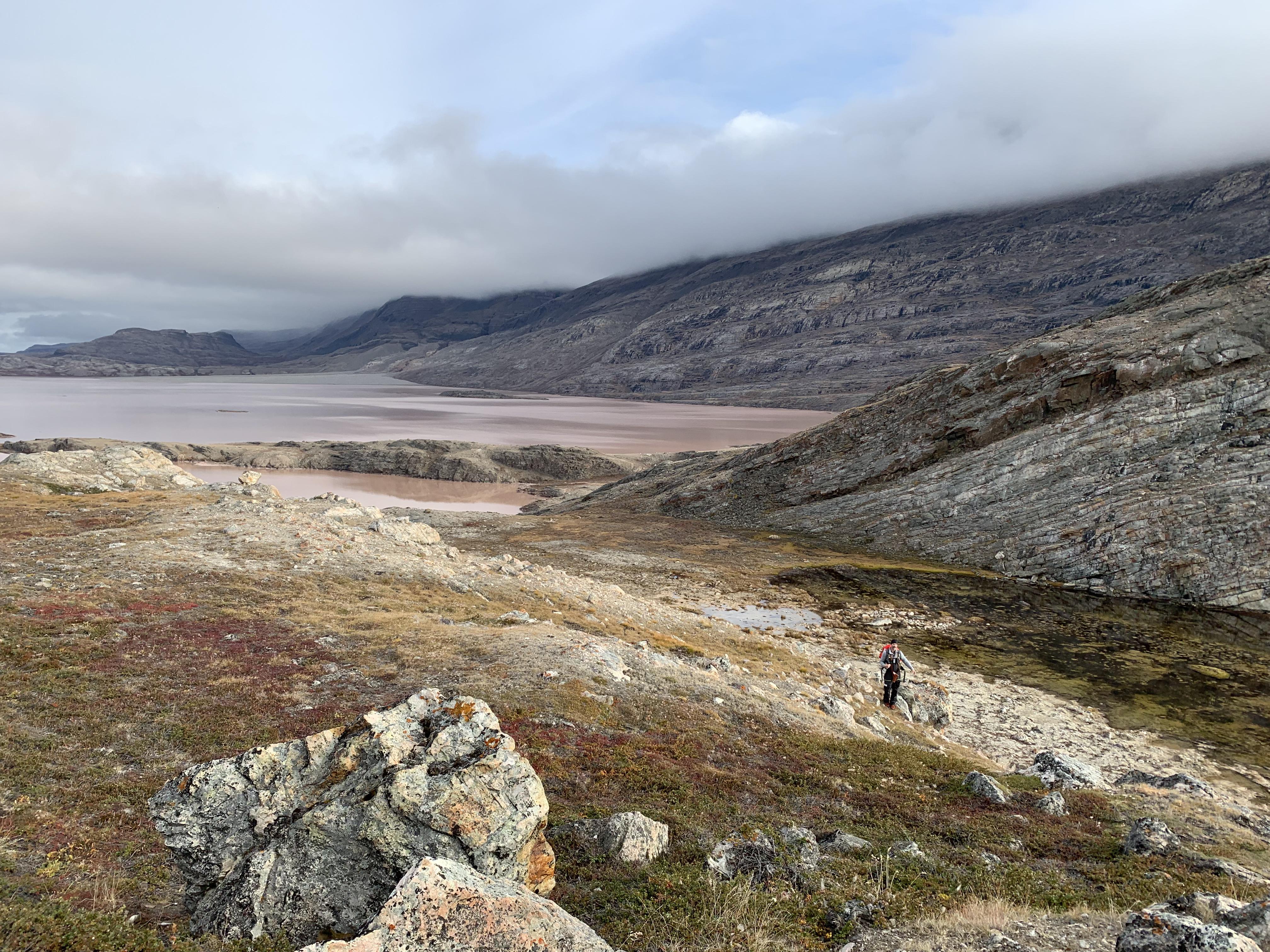

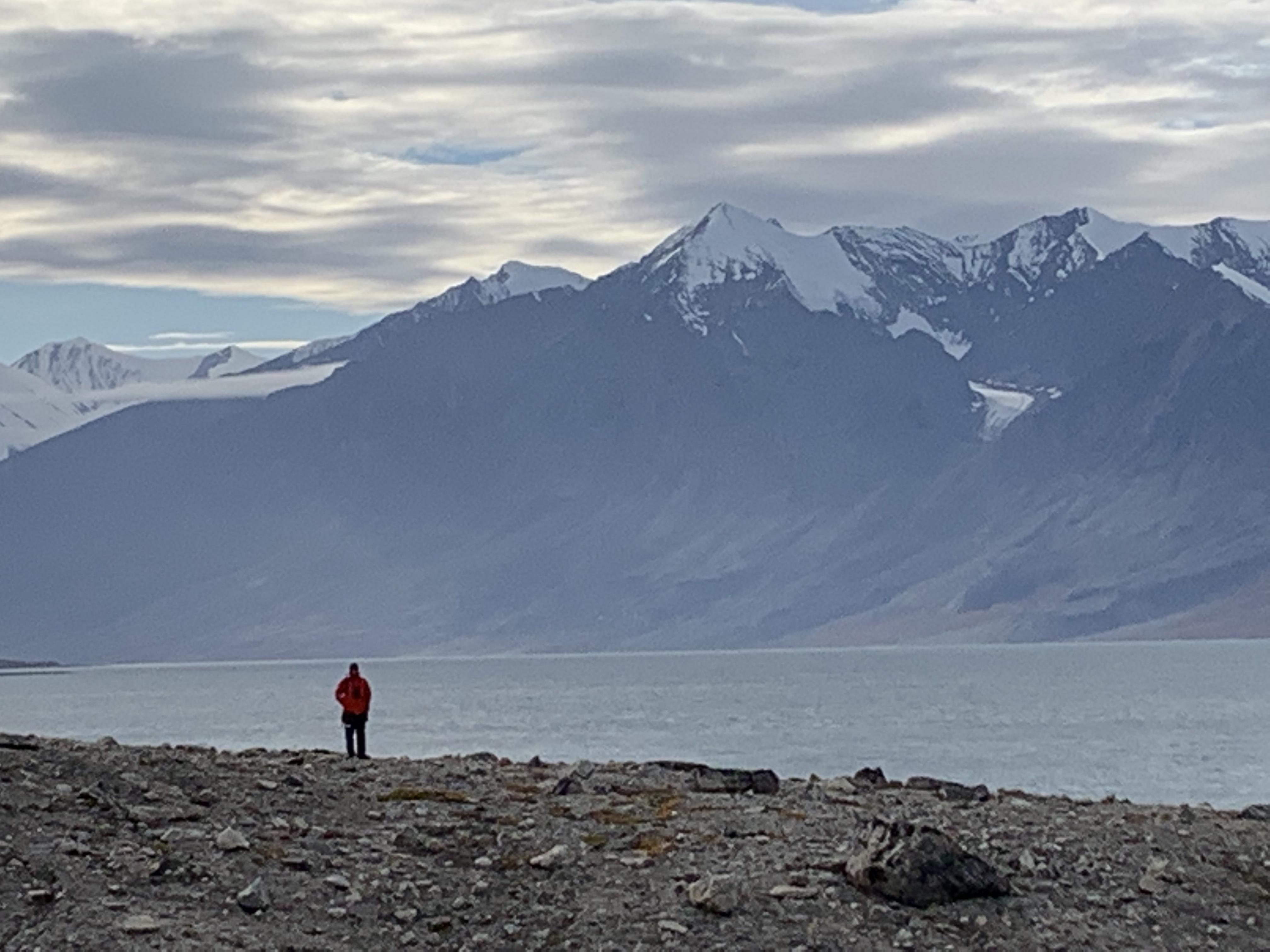
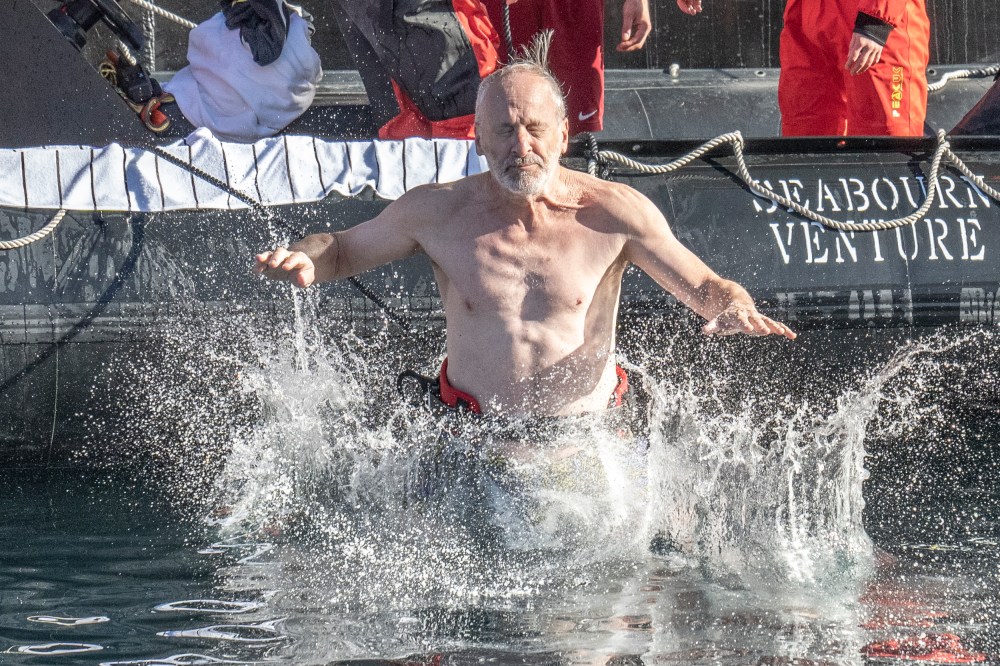
And then there is the polar plunge. A once in the lifetime chance to jump off a nice comfortable ship into 32 degree water. Ahhh, no, not for me anyway, but lots of people did, including Seabourn President Josh Liebowitz and our hero Rob. After kayaking amongst the ice he hurriedly peeled off the rubber suit and donned his bathing suit.

As in most of our travels, our favorite spots are the unexpected wonders of some place we hadn’t heard of or knew little about. That’s what makes travel magical. You can read and research and watch travel documentaries endlessly and seek out the Instagram gems everyone says you have to take a selfie in front of. But you probably wait in line behind hoards of other tourists to get that shot. And if that’s your thing, great. But it is not mine. I am blessed to have the opportunity to travel and see the wonders of God’s and man’s creations. God wins every time.
Until next time my friends, when we will continue along this journey back to Iceland.
 Explorer Barb