We arrived in Iceland in late August to partly sunny skies and temperatures in the 50’s after a not too terrible United flight from Newark to Reykjavik. There is currently no such thing as a direct flight from Philadelphia International so driving the extra hour and a half seemed logical versus options like connecting in Detroit. In retrospect, not the best choice. Newark is a crappy airport: not easy to get to, parking is both expensive and inconvenient, infrastructure is a mess, and I could go on. And it’s not just me, EWR ranked last in JD Powers ranking of US mega-airports. PHL may rank last in large airports on the same list, but it’s paradise by comparison. And United, ah, not my favorite airline. Lots of little issues, old dated aircraft, avoidable flight delays (a passing aircraft says you have a hatch door open, whaaattttt) and so on. They did give us each a $200 future flight credit when we complained.
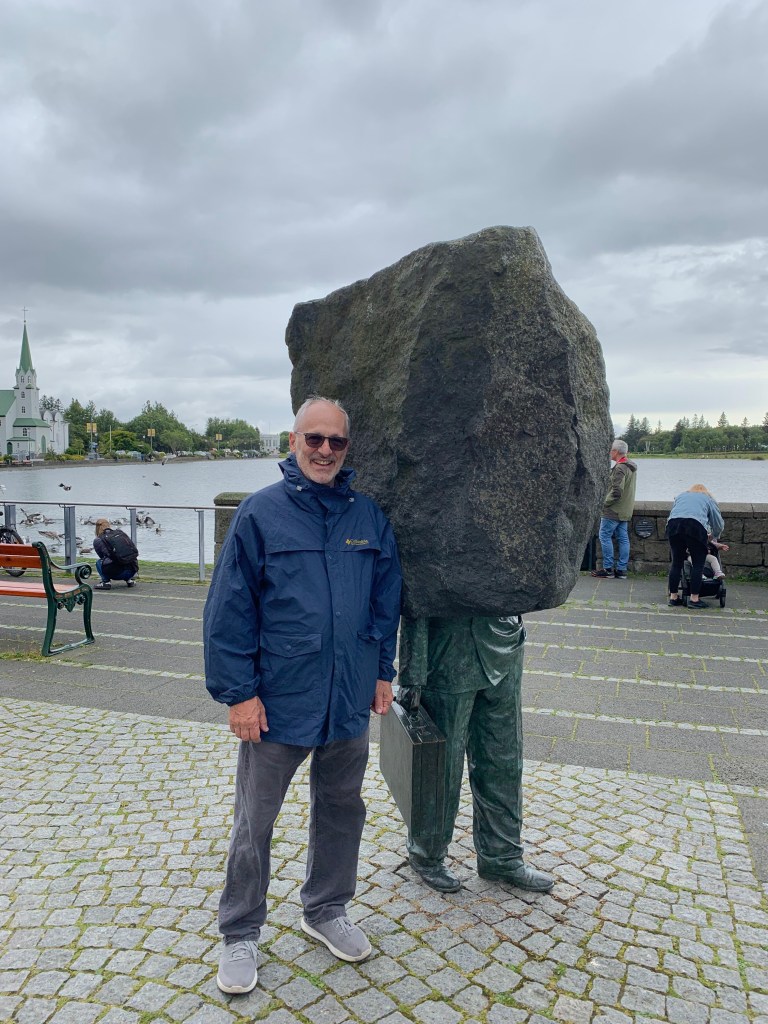
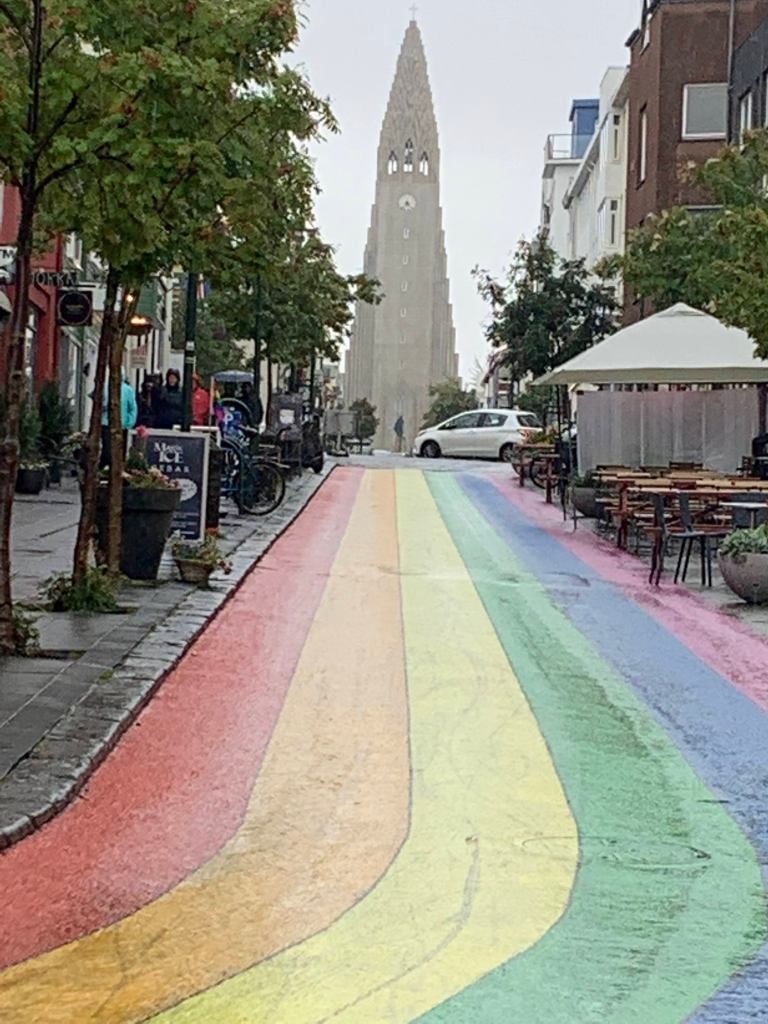
But we got there, late, but safely and due to the delays were able to get into our hotel room upon arrival. Reykjavik is Iceland’s capital and largest city, 63% of the country’s 300,000 population live in the city and its surrounding area. The downtown is clean and compact, easily walkable. Using Rick Steves guidebook and map we covered most of the downtown sites in an afternoon and a morning. It is possible to fly in on the day your cruise departs, flights mainly arrive in the morning with cruise departures in the 5-7 PM time frame. Consider that travel always adds uncertainty, especially this year. The cost of a night in a hotel (even in pricey Reykjavik) is great insurance that you arrive in time for cruise; less stress and jet lag is a bonus. We met a couple connecting in the airport in Newark who only made the flight to Reykjavik because that flight was delayed. If they had missed it, they wouldn’t likely have arrived in time to get on the cruise they were scheduled to leave on that afternoon.
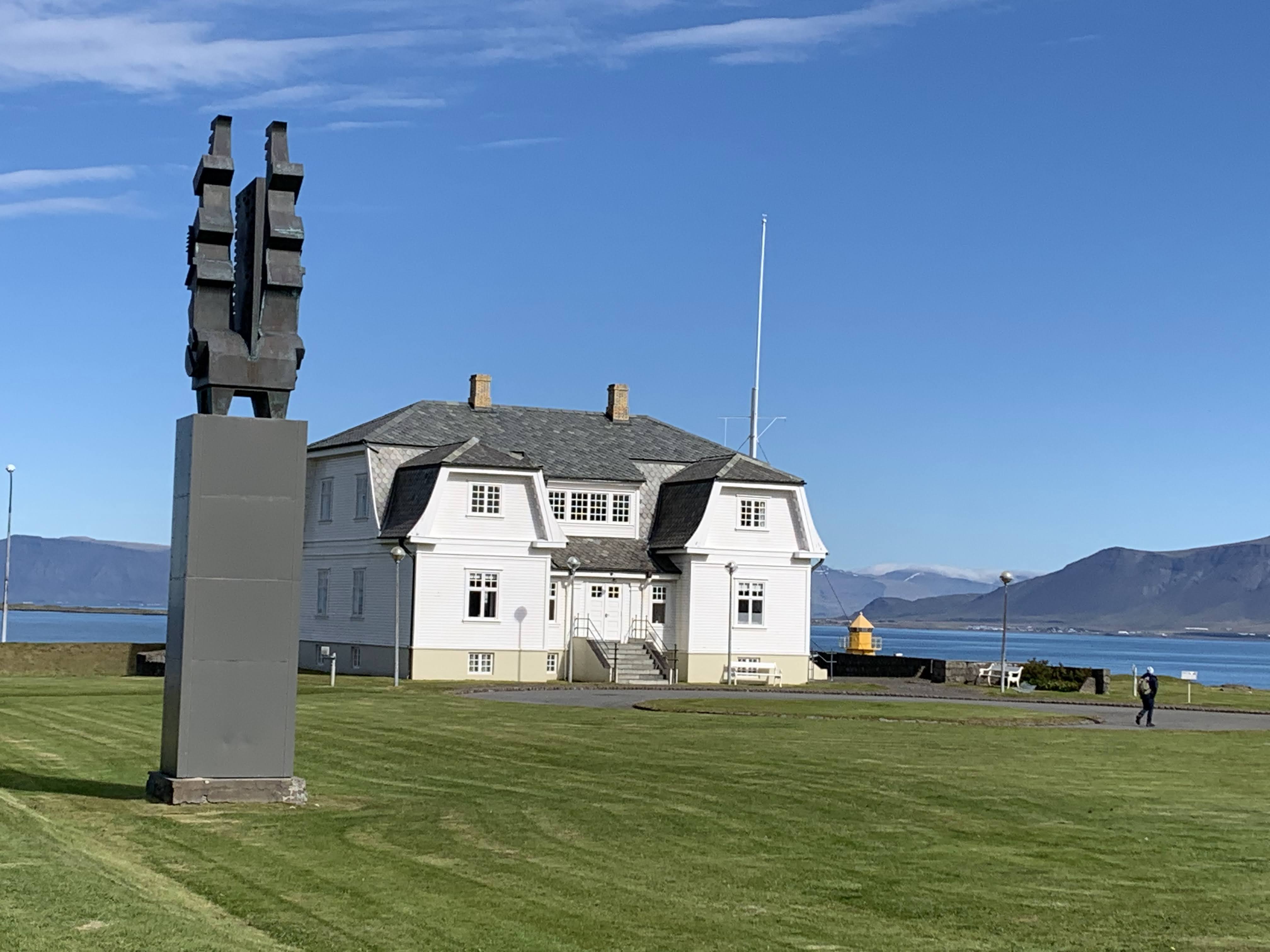
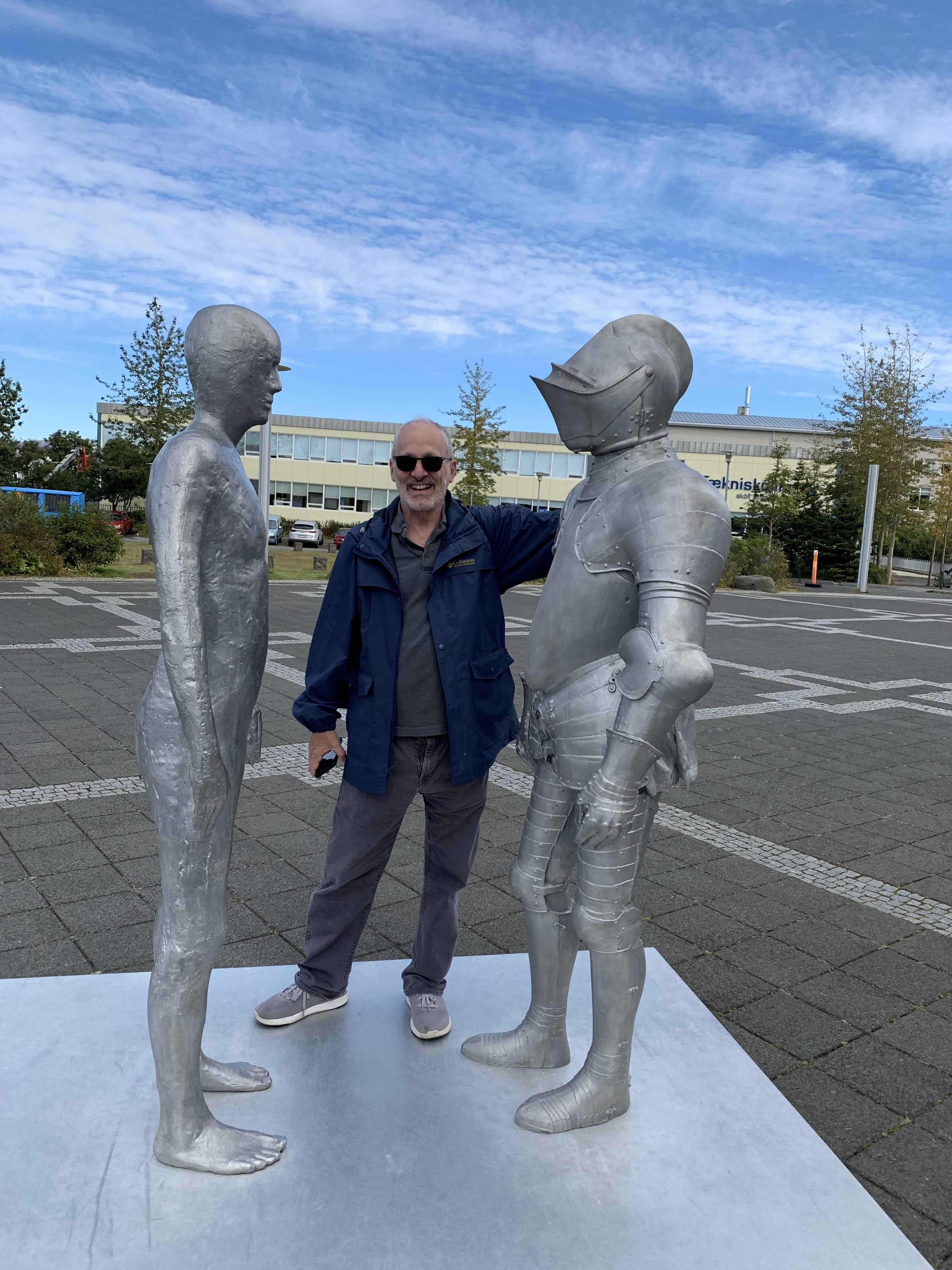
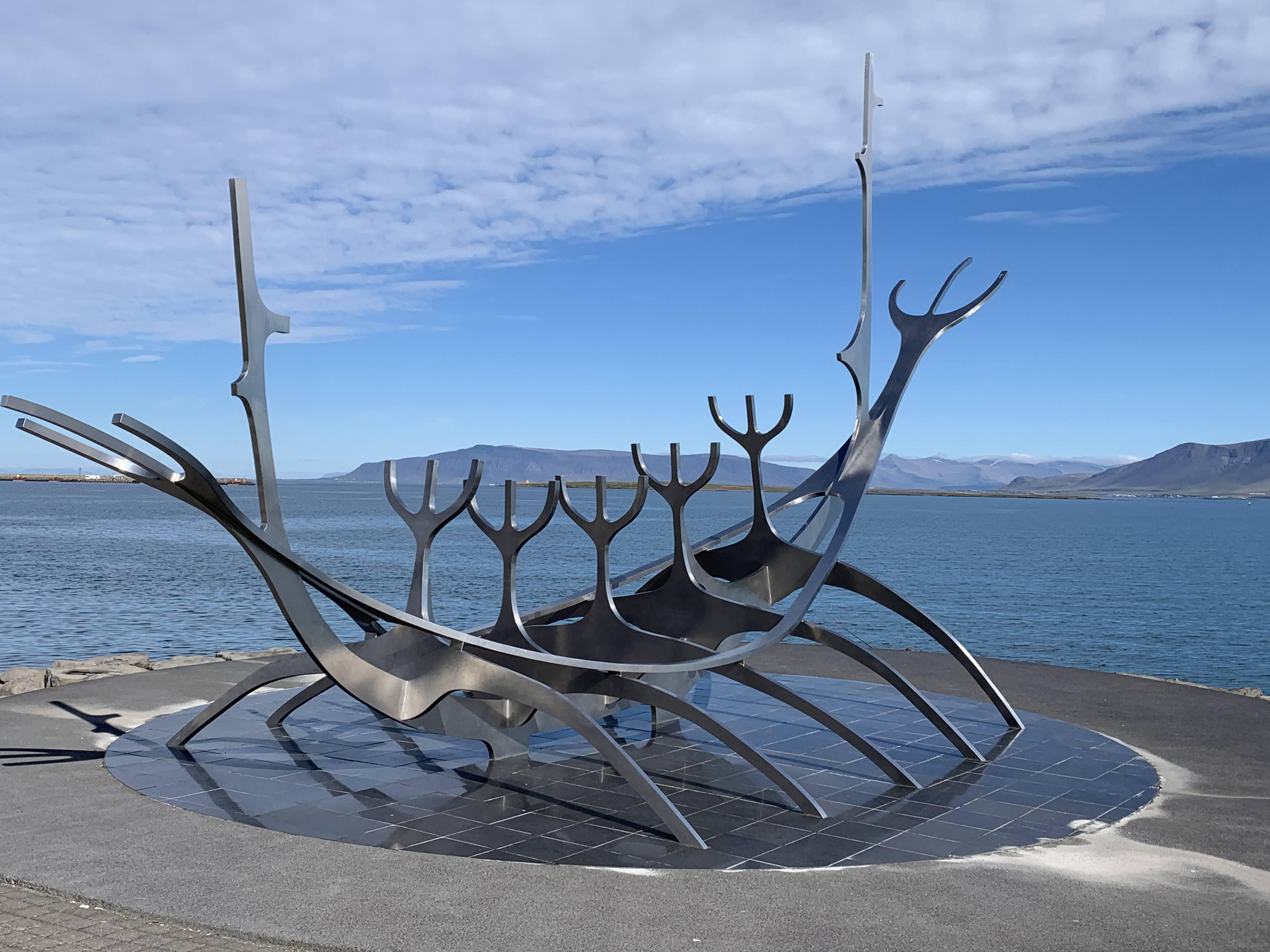
The real good stuff in Iceland is the scenery. Despite having some of the largest glaciers in Europe, Iceland’s coast is warmed by the gulf stream, making its weather more moderate than other countries at the same latitude. Formed by volcanos, the landscape is full of waterfalls, geysers, black sand beaches, dramatic cliffs, fascinating rock formations and moonlike volcanic landscapes. Among the benefits of its volcanic origins are its famous natural hot springs, but more importantly, it is a world leader in renewable energy. The country derives 99% of its electricity from renewable sources (geothermal and hydropower) and over 90% of homes are heated with geothermal water.
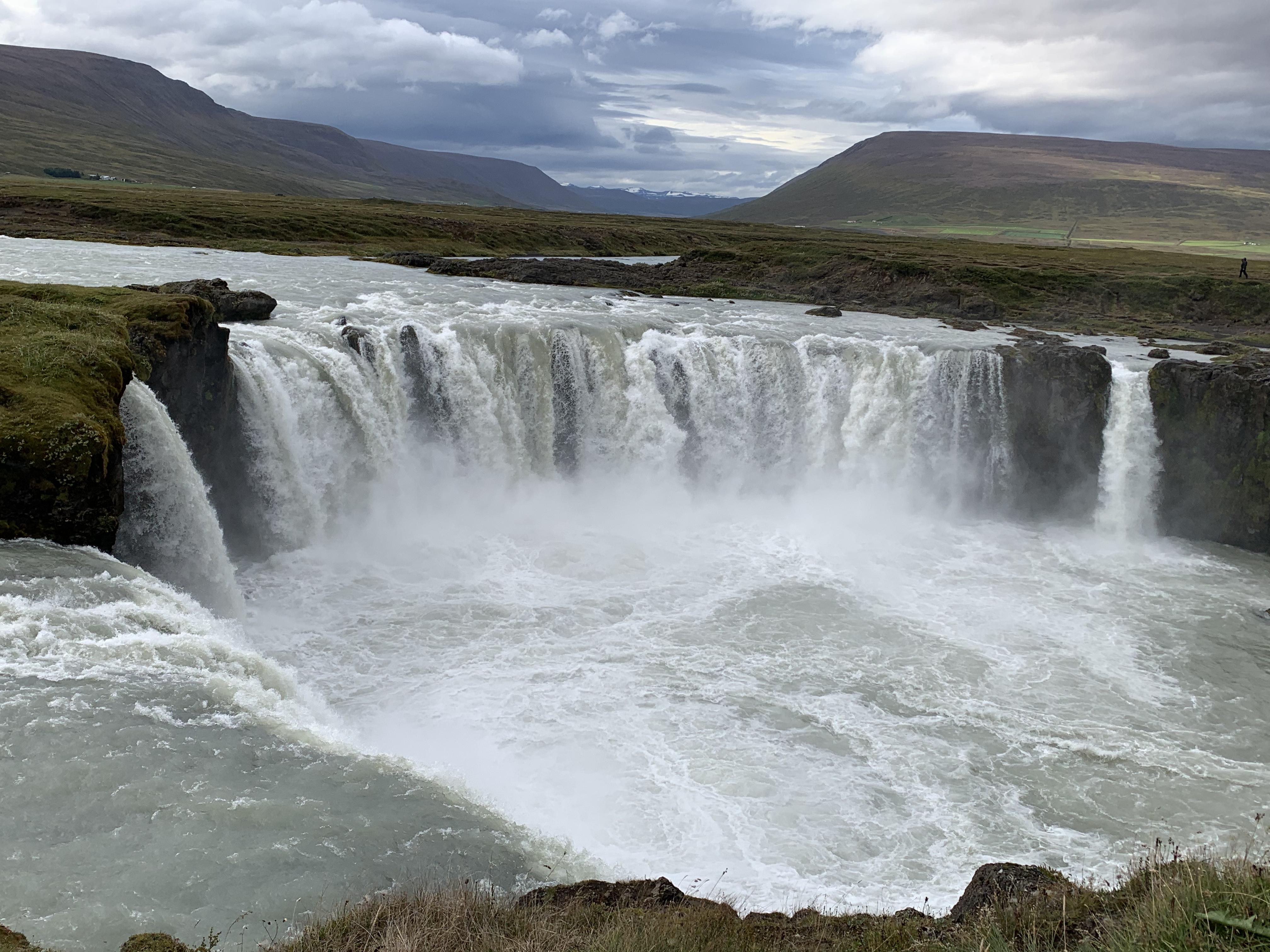
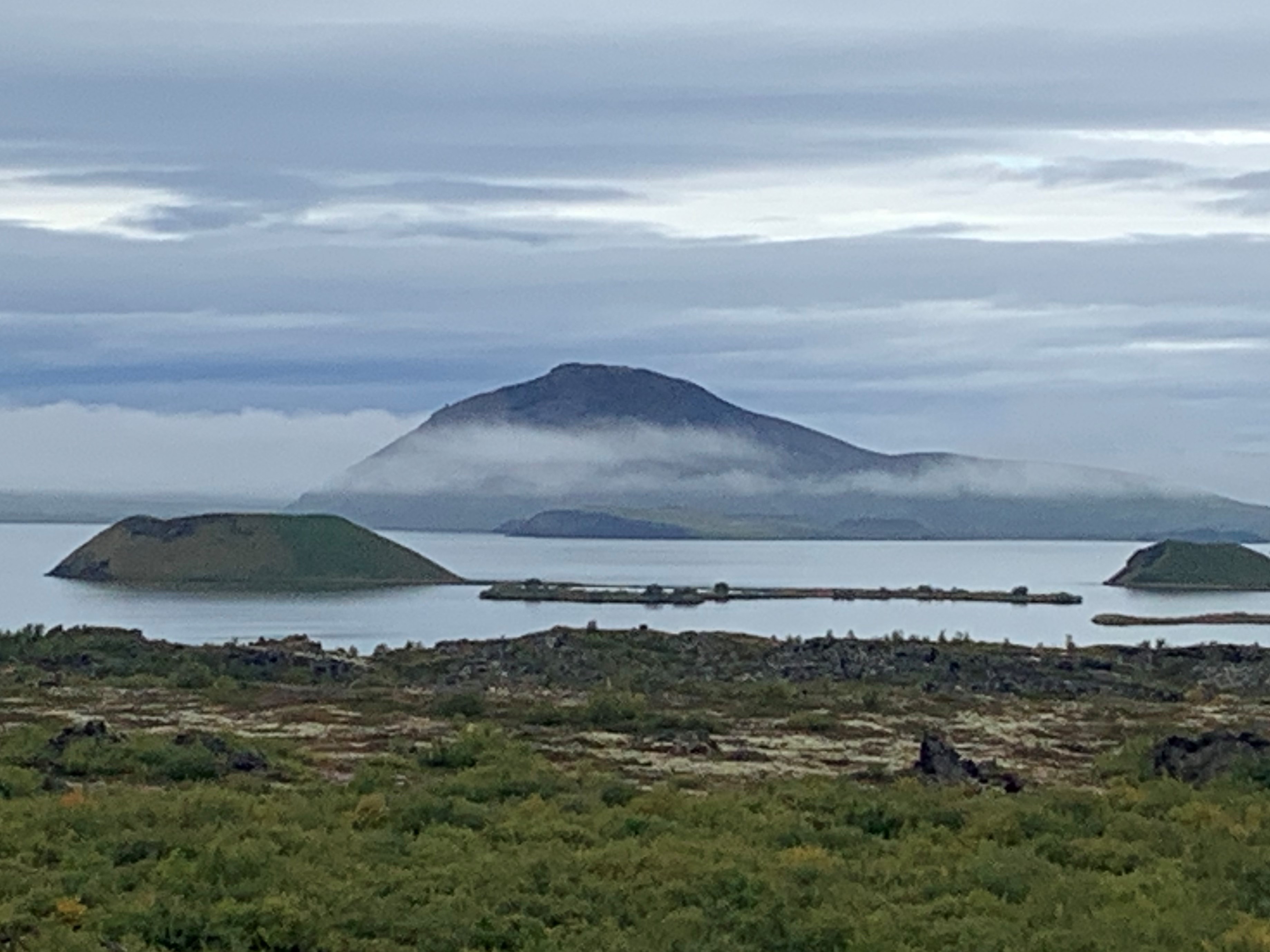
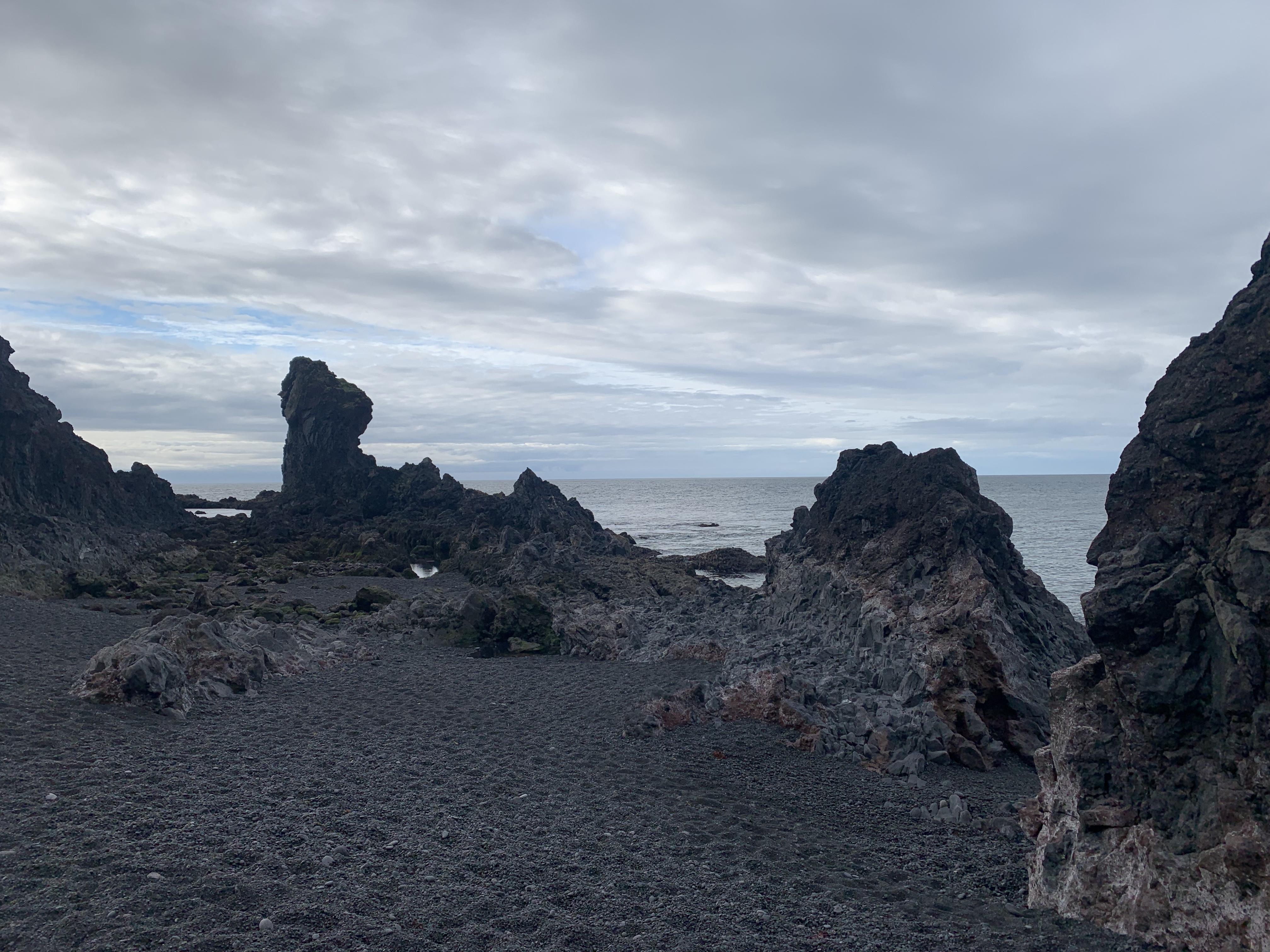
There are a variety of ways to experience Iceland’s dramatic scenery. The Ring Road, also known as Highway 1, circles the Island, it’s 820 miles providing access to many of its scenic highlights. Most guides recommend driving this over 8-10 days, with the longer time allowing more time for scenic detours. But if you don’t want to drive, there are a host of companies offering tours of key scenic regions. There is a lot to see if you based yourself in Reykjavik for a few days. The Golden Circle is a popular full day route that you can drive or take one of the many tours that will pick you up at your hotel. We took a small group tour that uses a van rather than the big bus variety. Not much more expensive and a whole lot more pleasant. The South Coast is another poplar route.
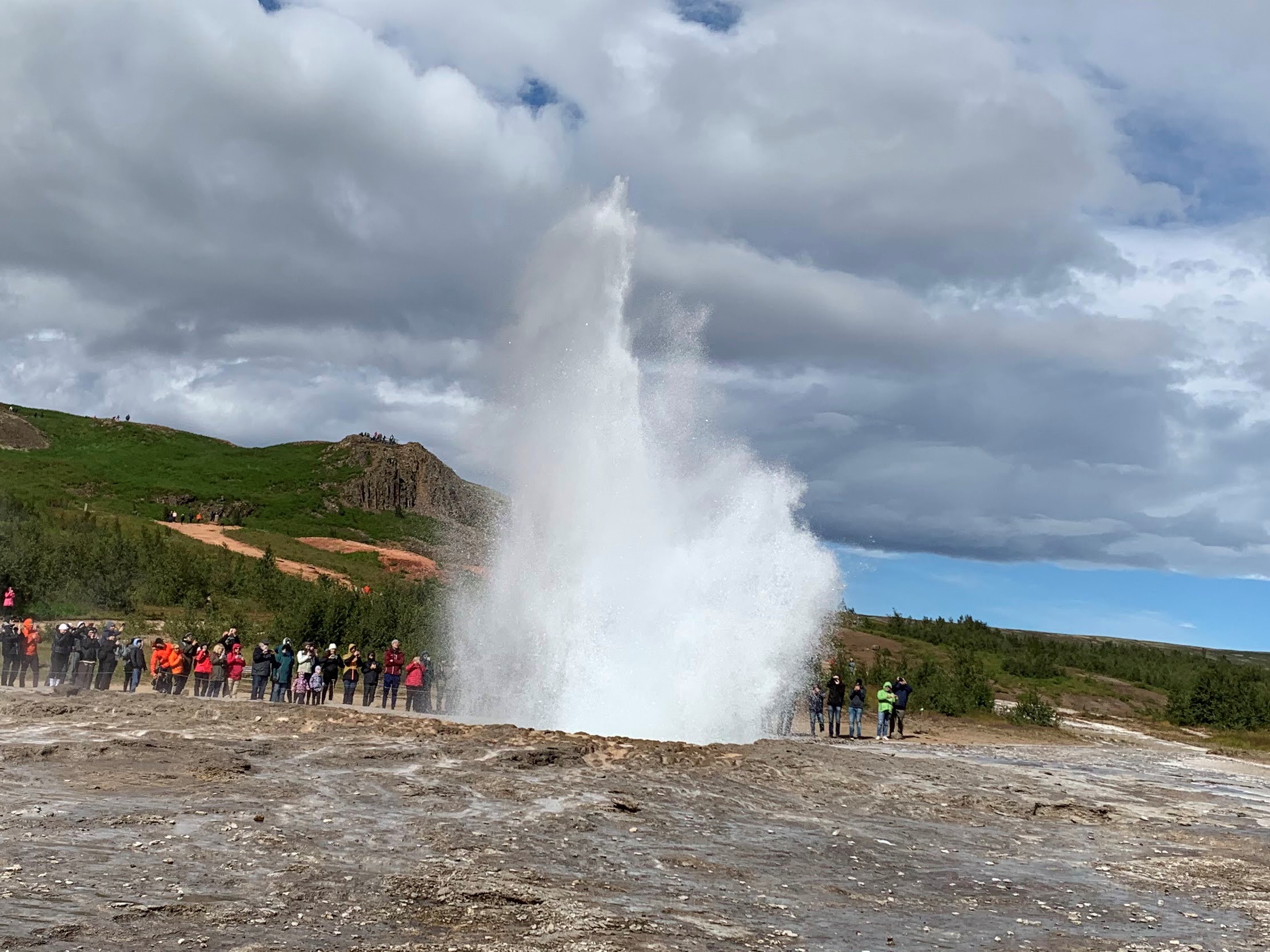
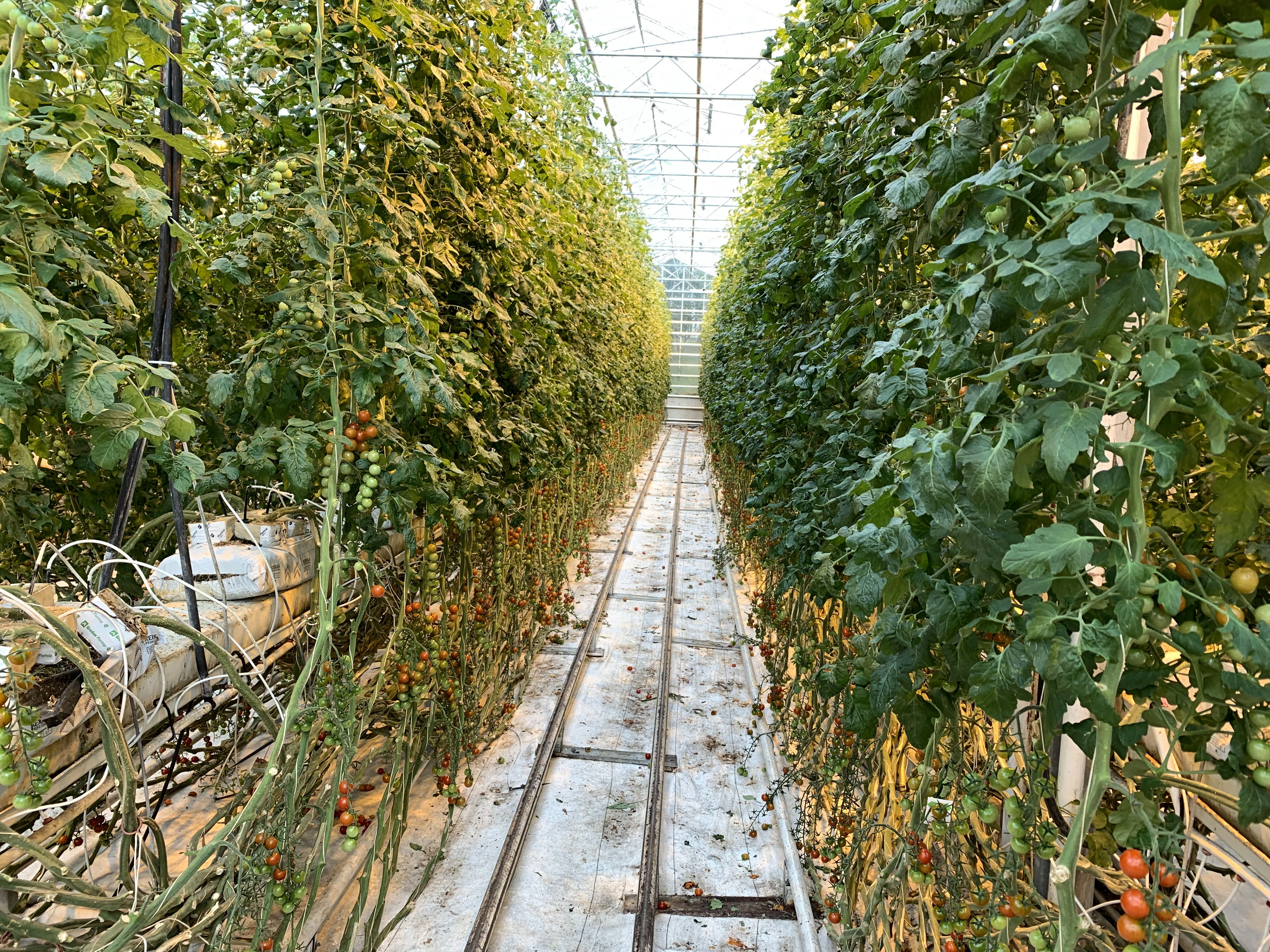
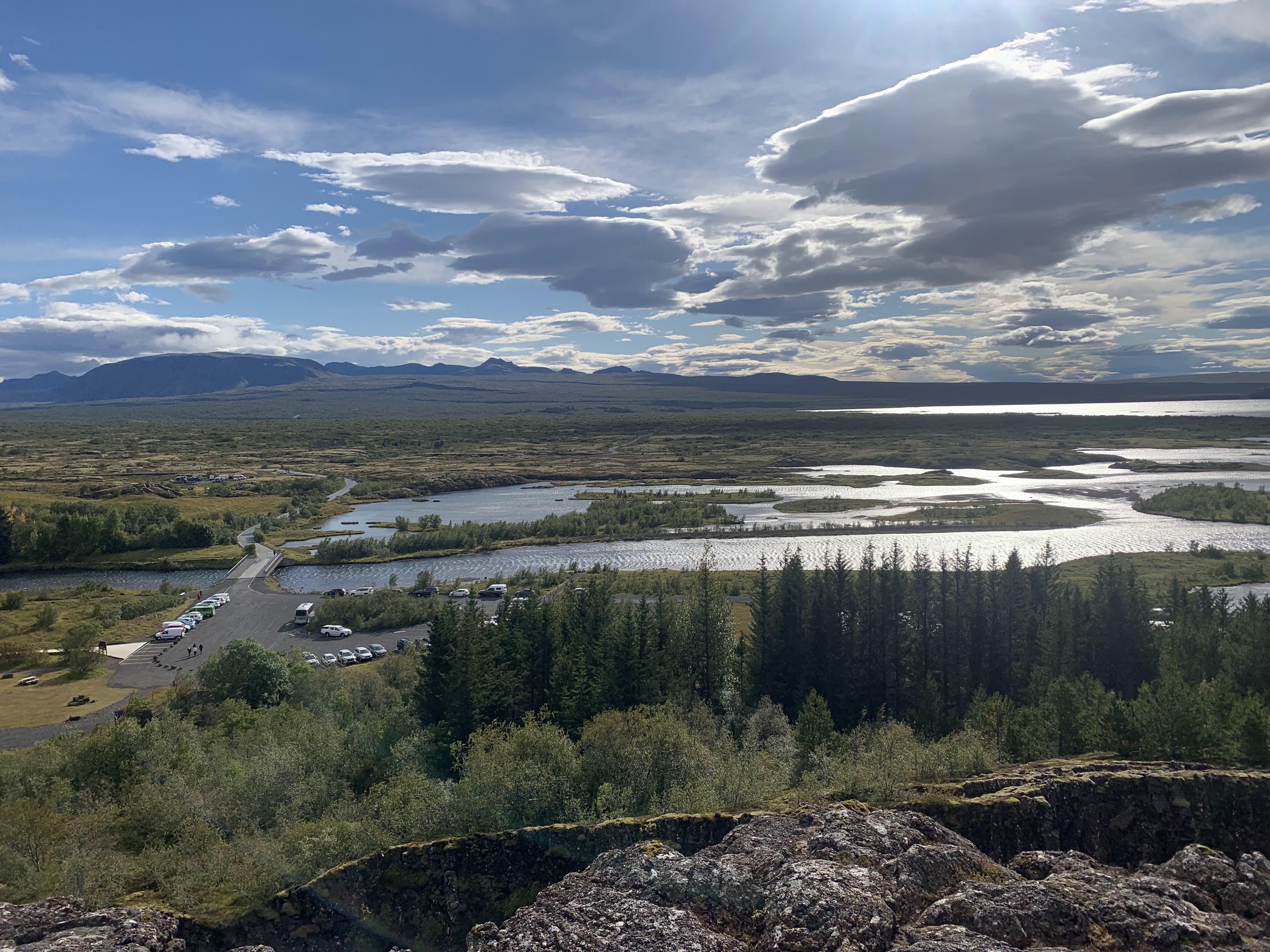

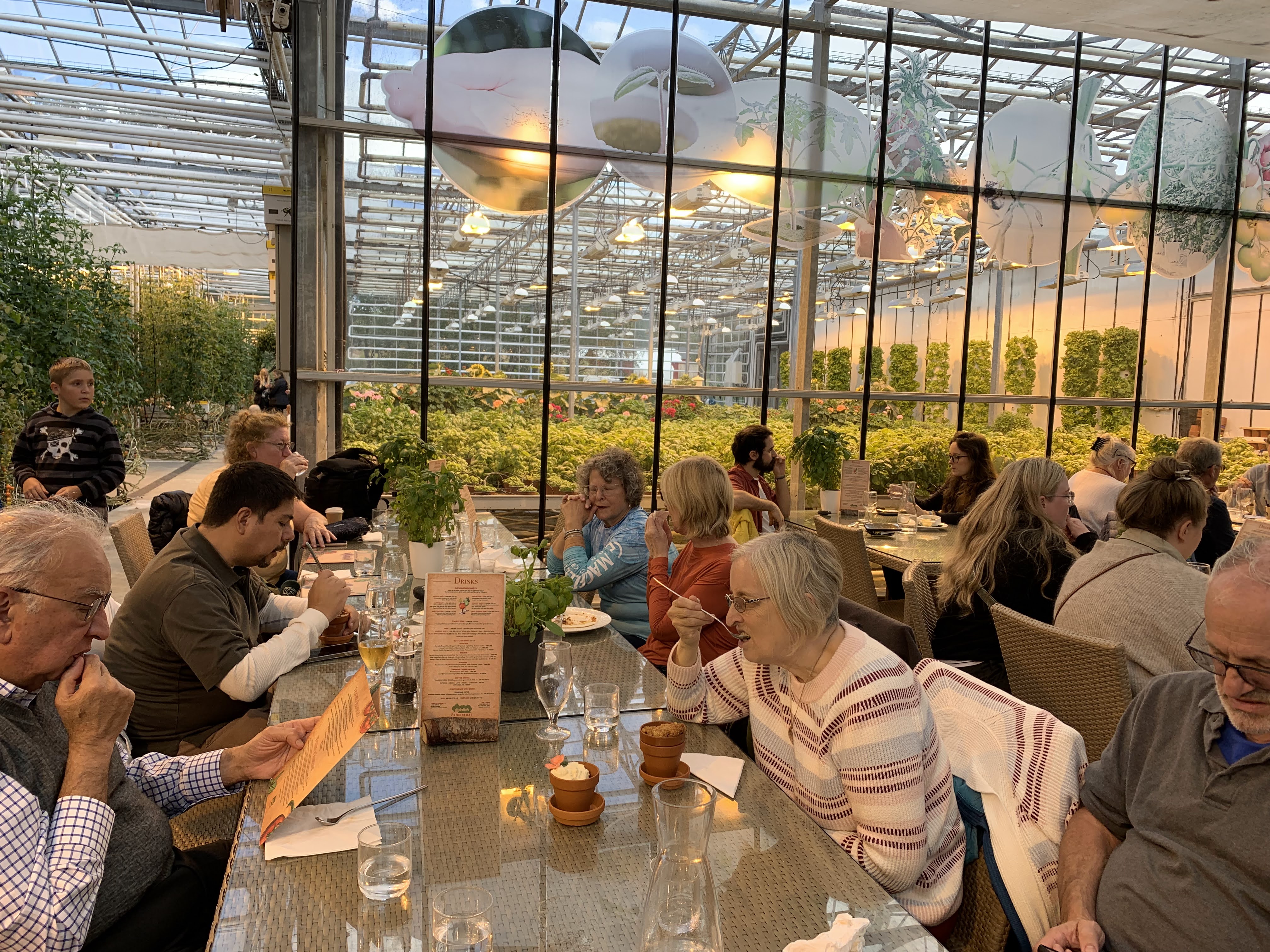
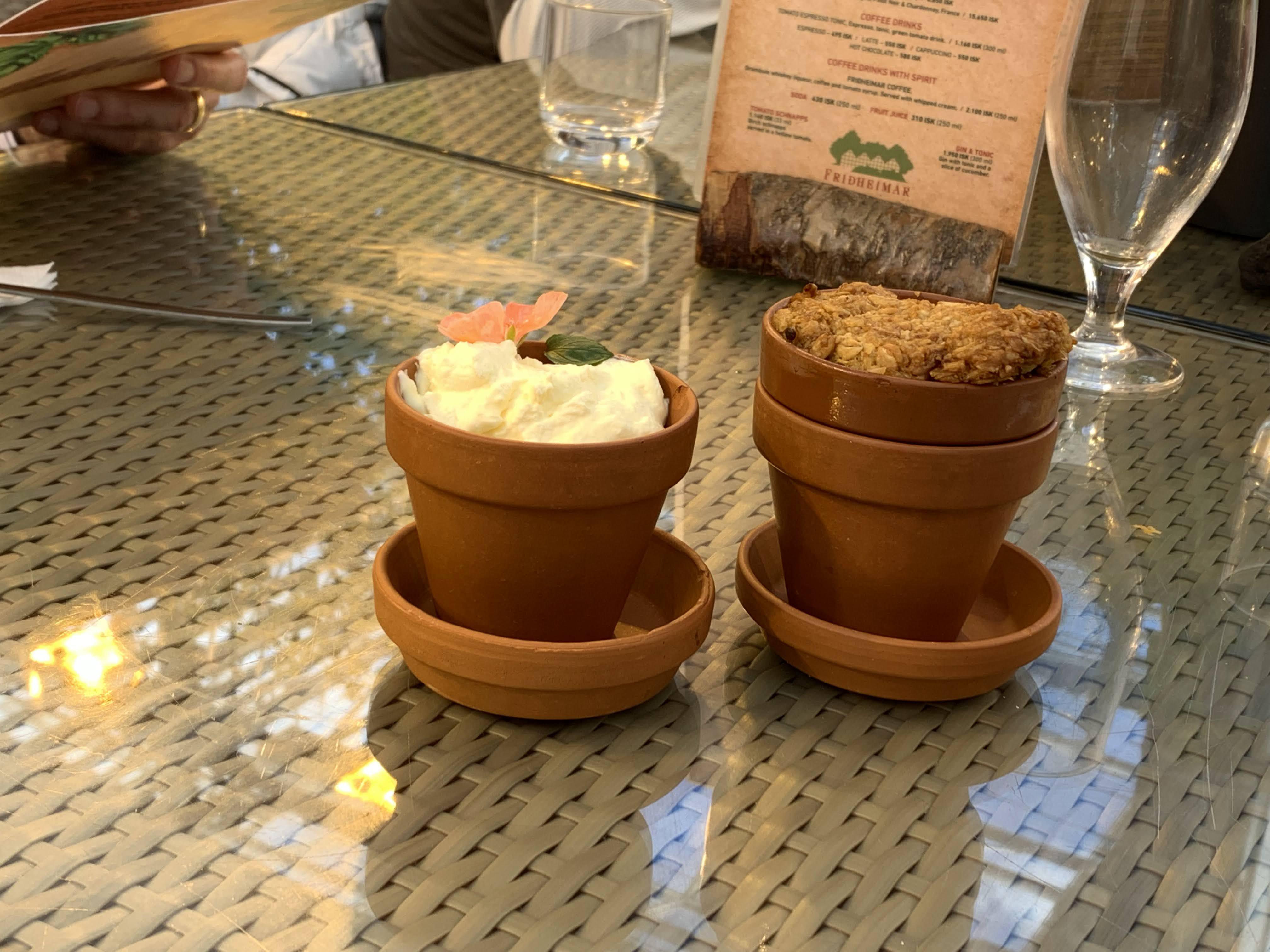
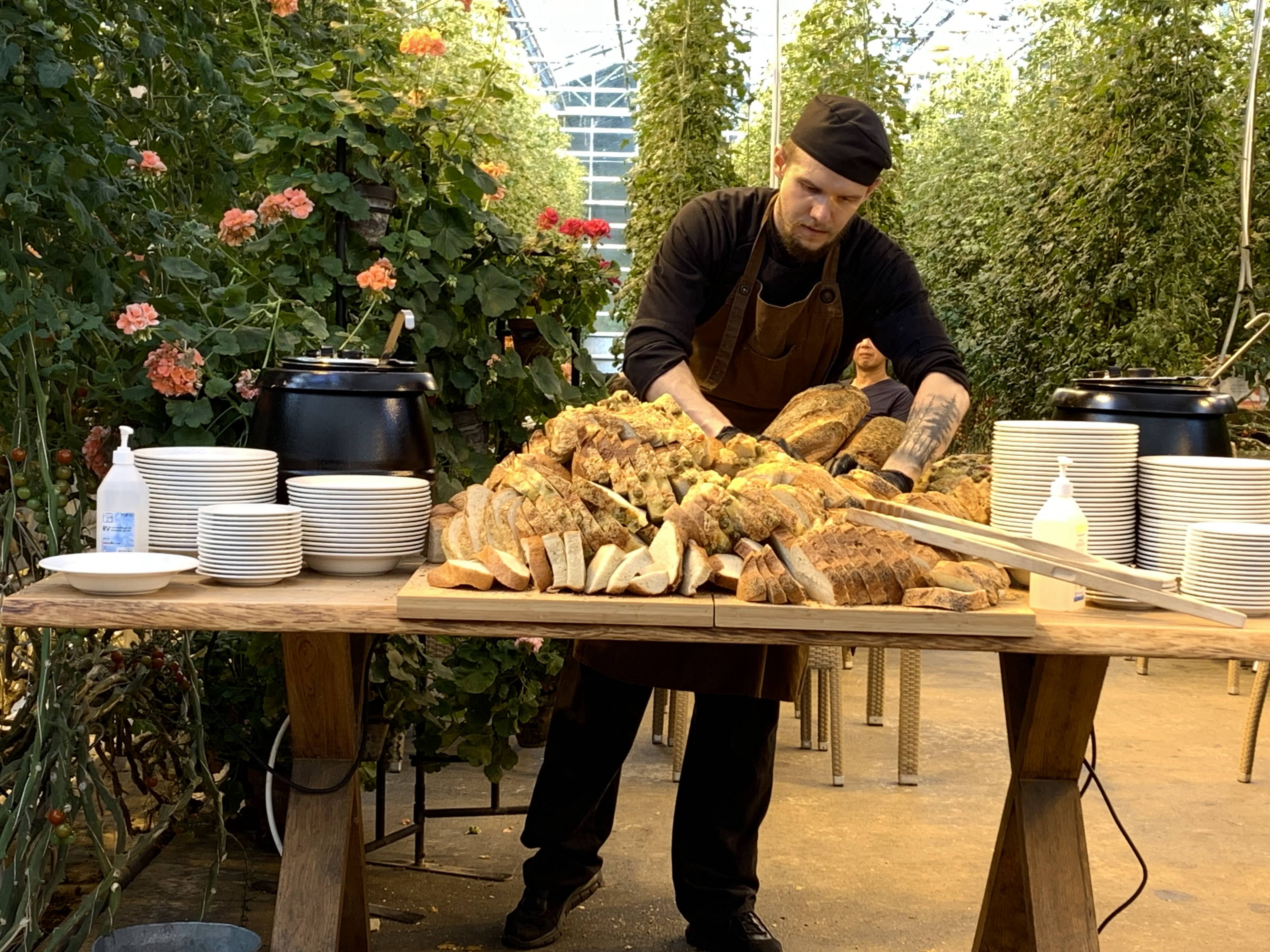
Above clockwise from top left, sites from Golden Circle: 1. Geyser, the origin of the word is Icelandic so these are the originals!. 2. Gap between the Eurasian and North American tectonic plates, the only place in the world where you can see those two tectonic plates and the Mid-Atlantic Ridge above ground and walk between them. 3. Thingvellir plain where around 930 AD Icelandic chieftains began gathering annually to govern themselves, the world’s first assembly of a representative government. 4. Fridheimar Tomato Greenhouse- we were guessing this would be a tourist trap, and while it kind of is, it’s a really interesting one that it turned out being one of our favorite stops. Nothing much grows outdoors in Iceland other than grass. Using geothermal water and natural pest controls these 17 greenhouses produce about one ton of tomatoes per day, year round, around 70 % of those consumed in the country. It’s quite a complex system, for example they have to import bees for pollination, things we just do not think about. We had lunch there, at tables in the greenhouse, tomato focused (surprise!). Everything from the vegetable soup to the apple and green tomato pie was really good. One small touch -rather than the flowers one might find adorning the table of your average restaurant they had pots of basil; pull off some leaves and add them to your food. Brilliant.
Below: More pictures of the greenhouse, including the super cute desserts in flower pots. Had to include a photo of the fantastic bread extravaganza.
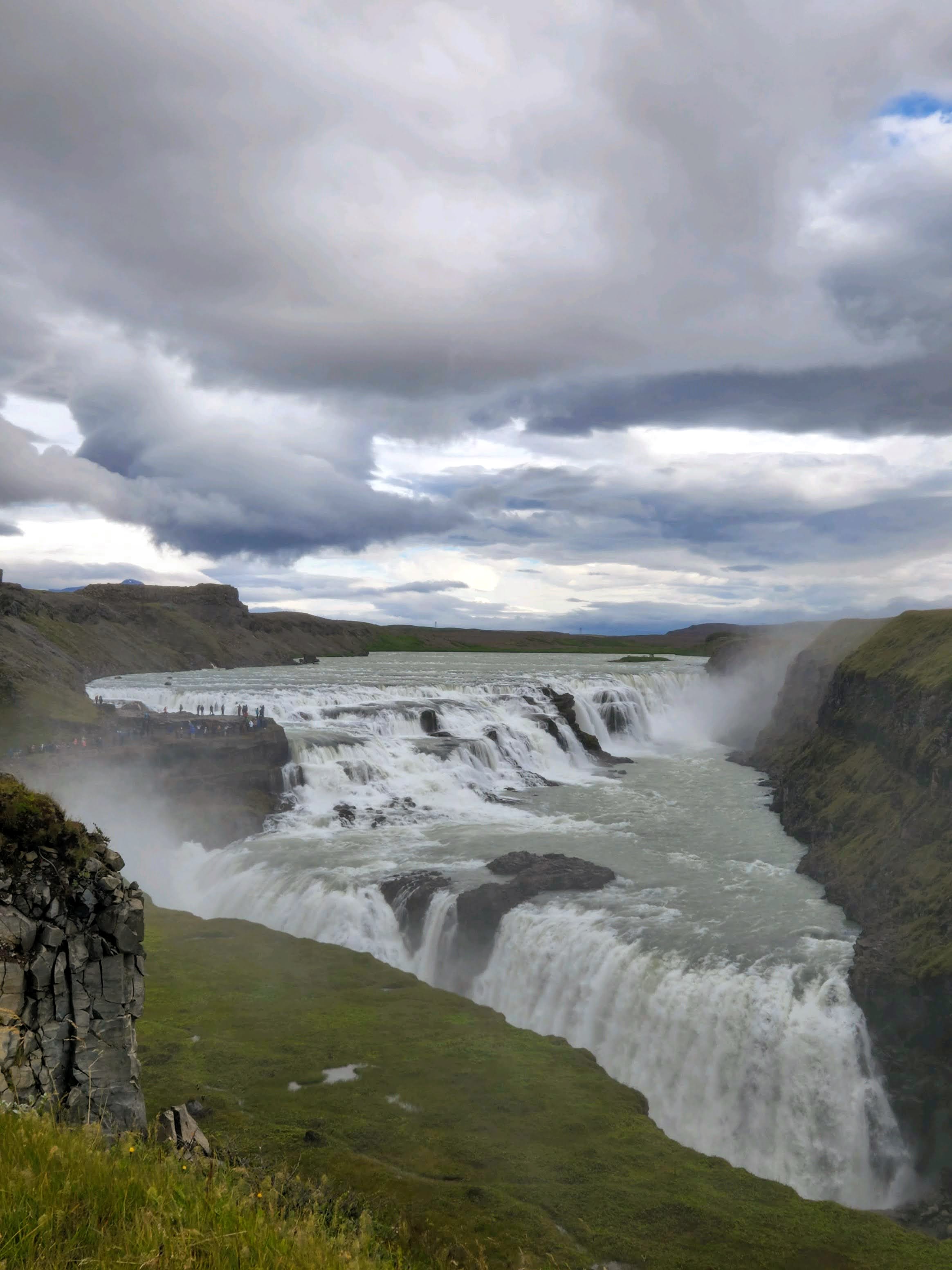
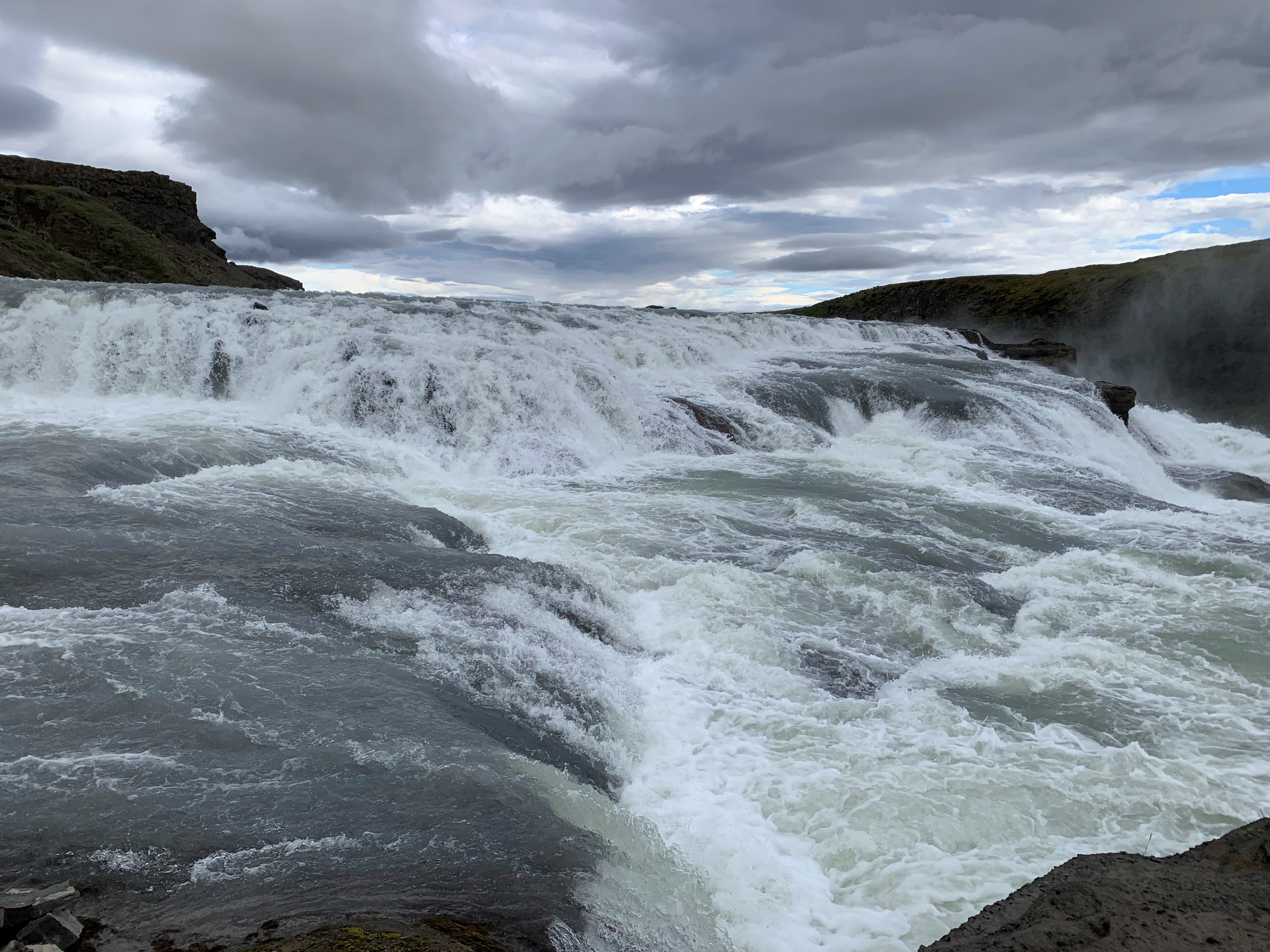
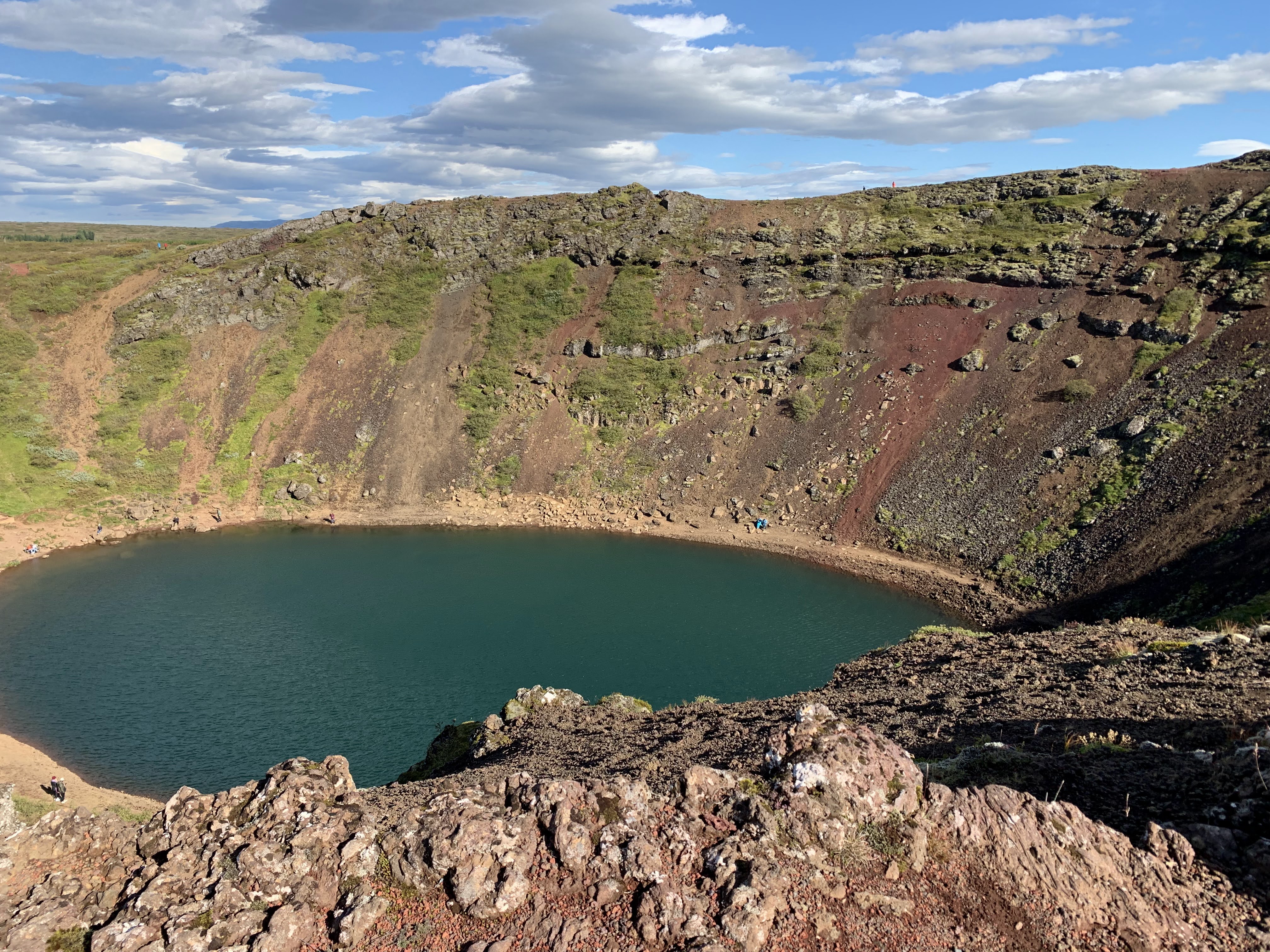
Above: Also on Golden Circle: Gullfoss Waterfall and one and one of Iceland’s many volcano craters.
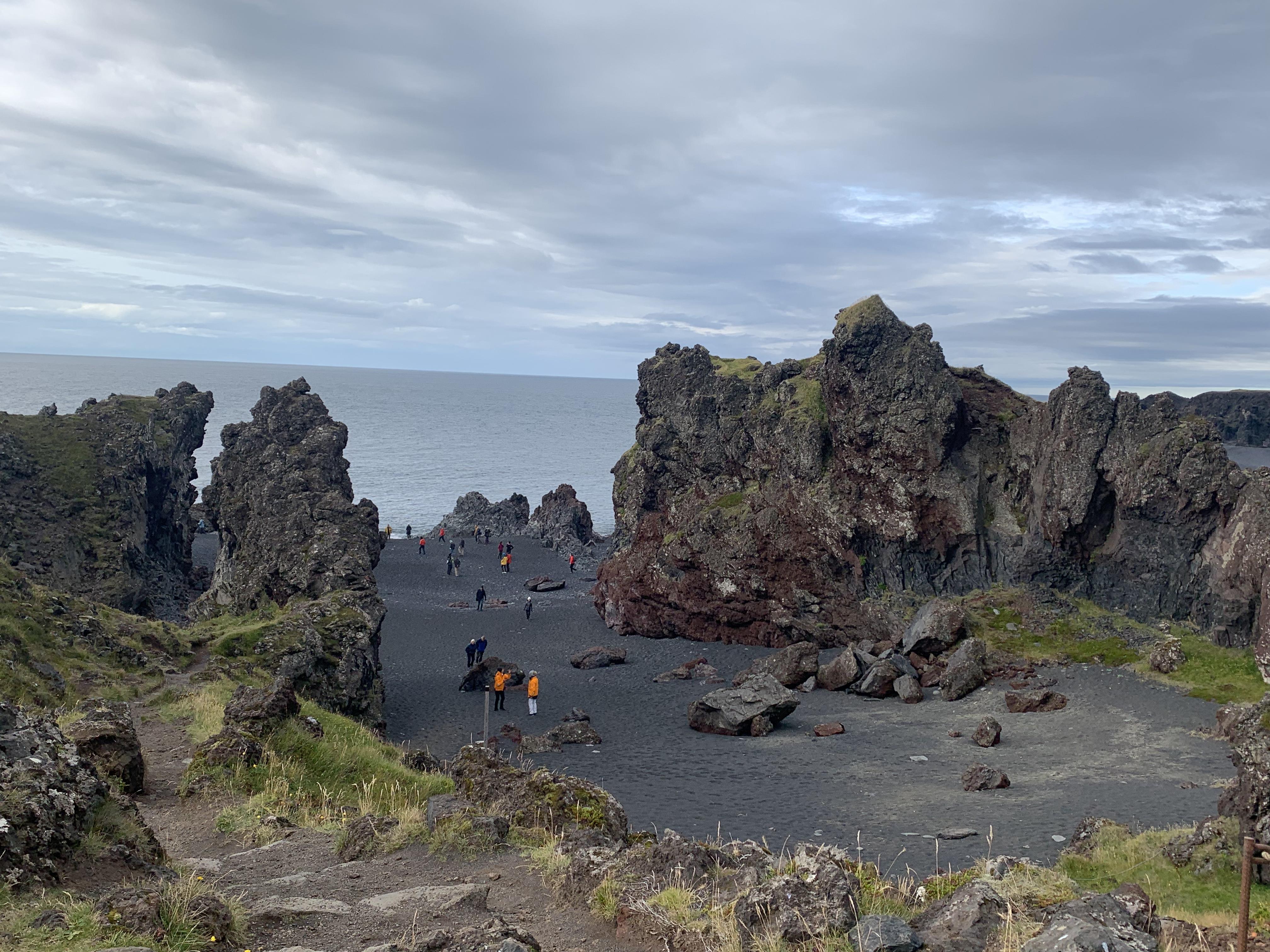
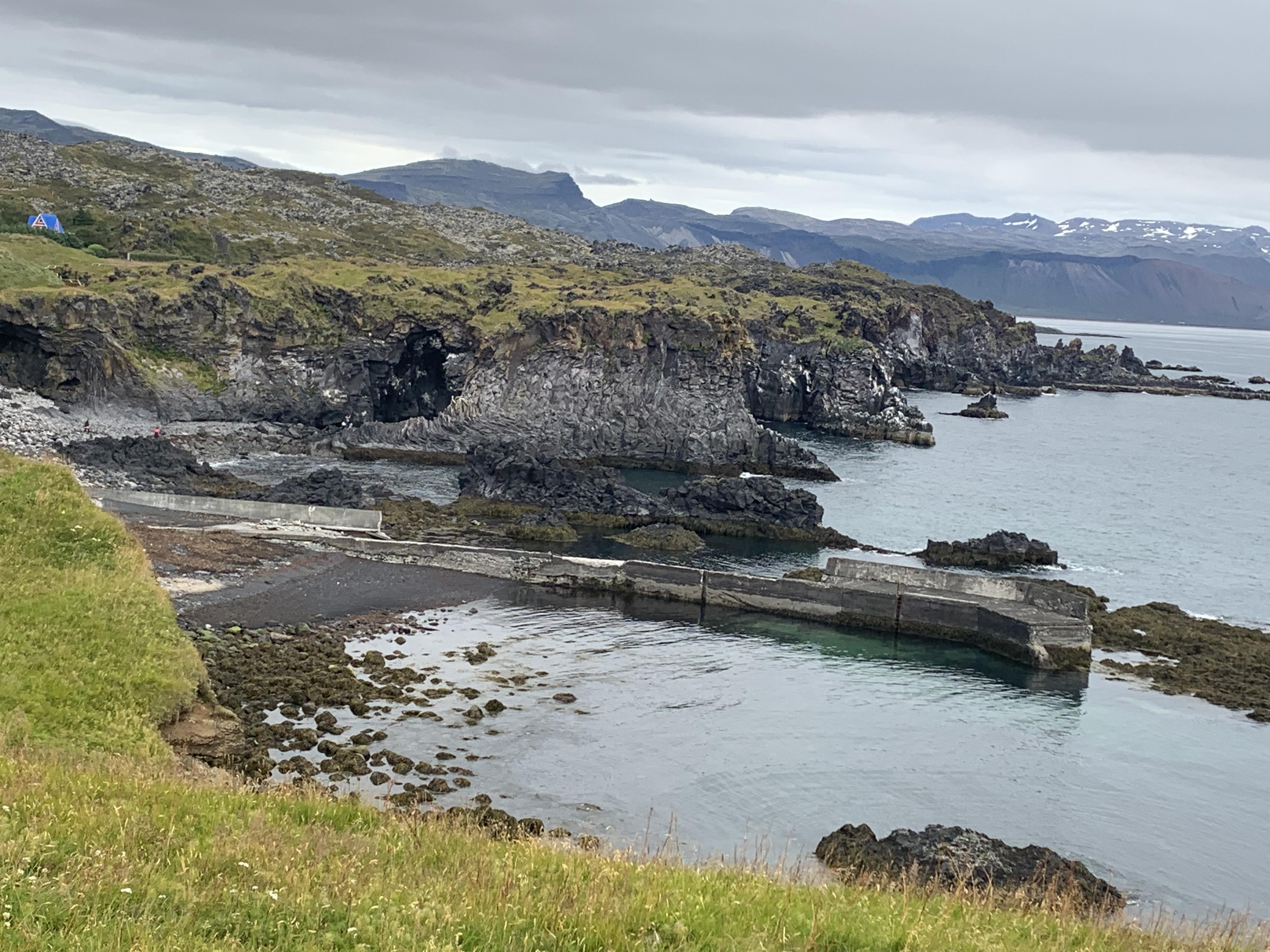
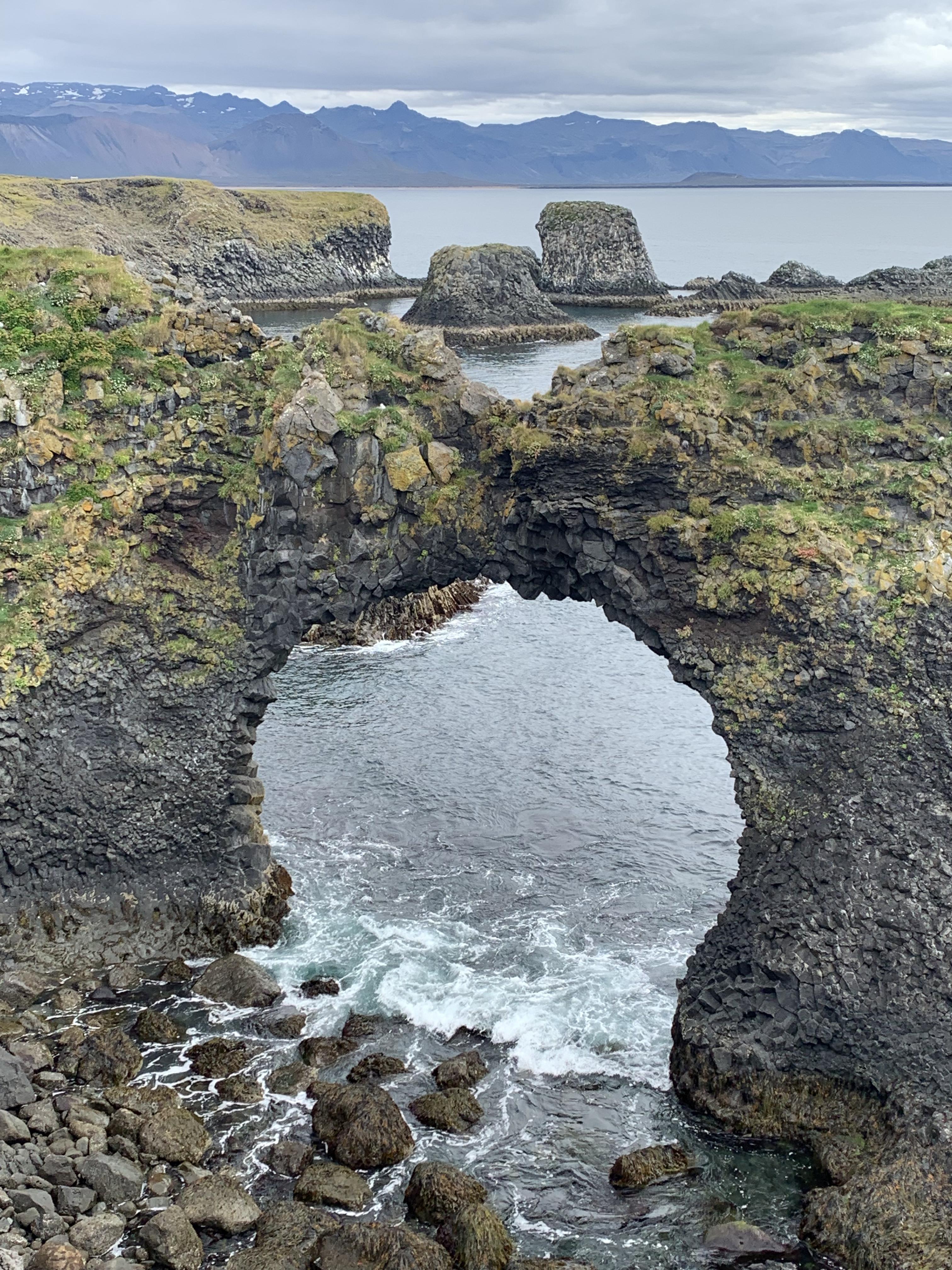
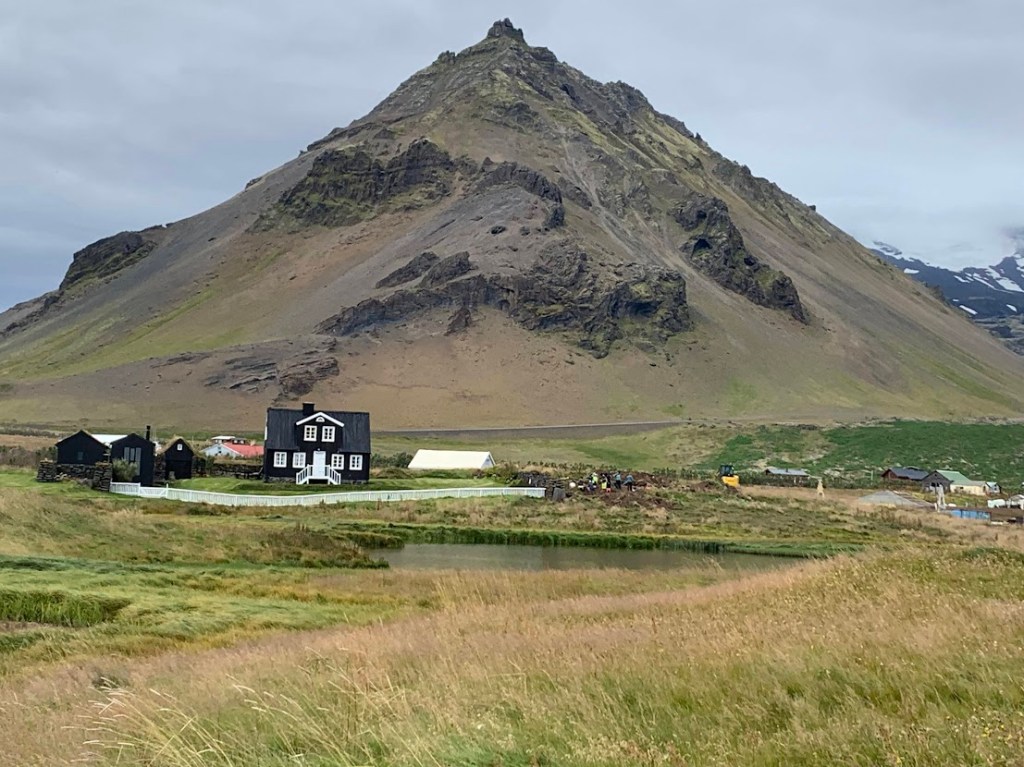
Next stop in Iceland was Grundarfjordur (all Icelandic words are approximate, doing the best I can without accent marks and unique lettering) where we explored the Snaefellsnes Peninsula. Beautiful scenery.

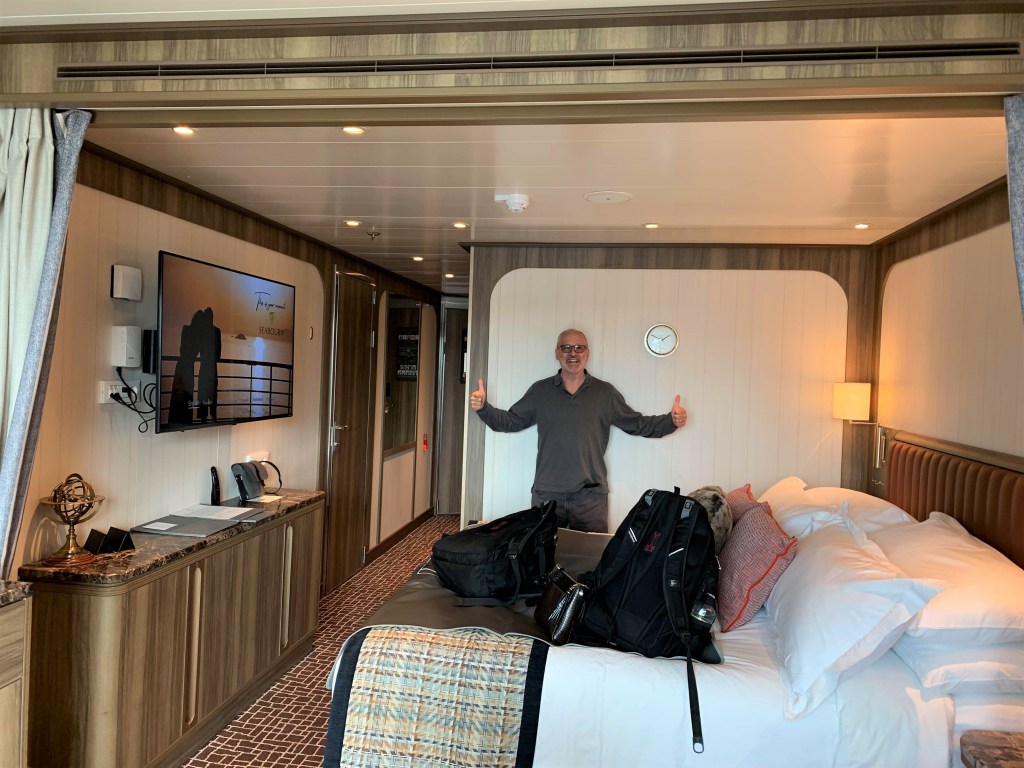
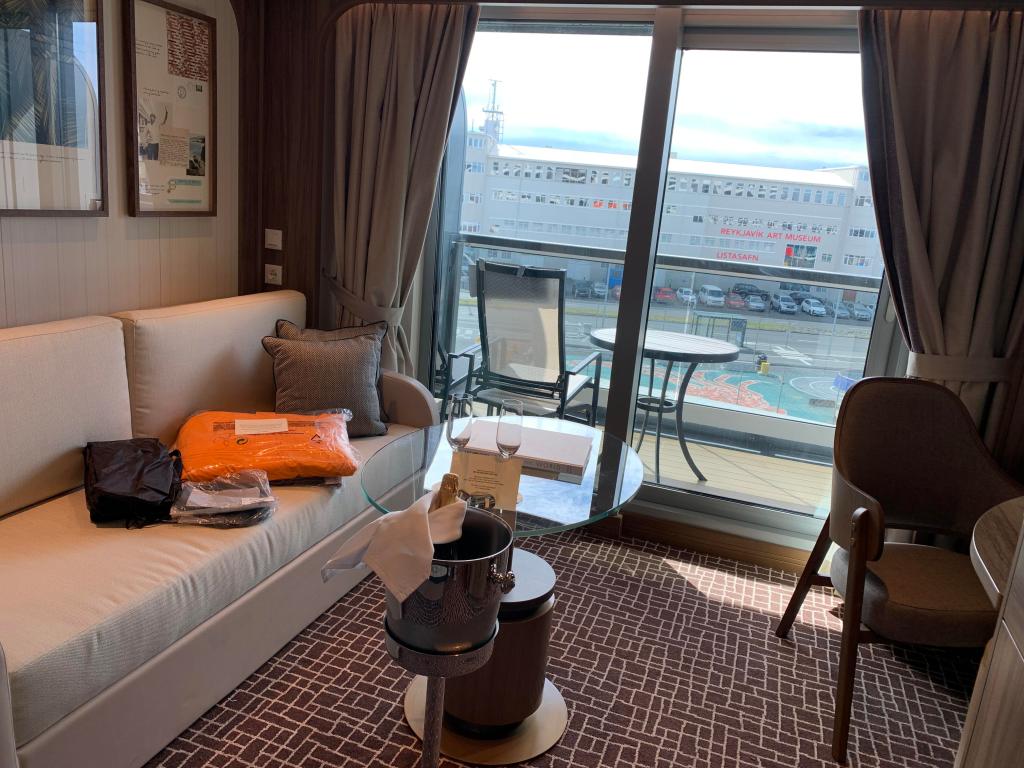
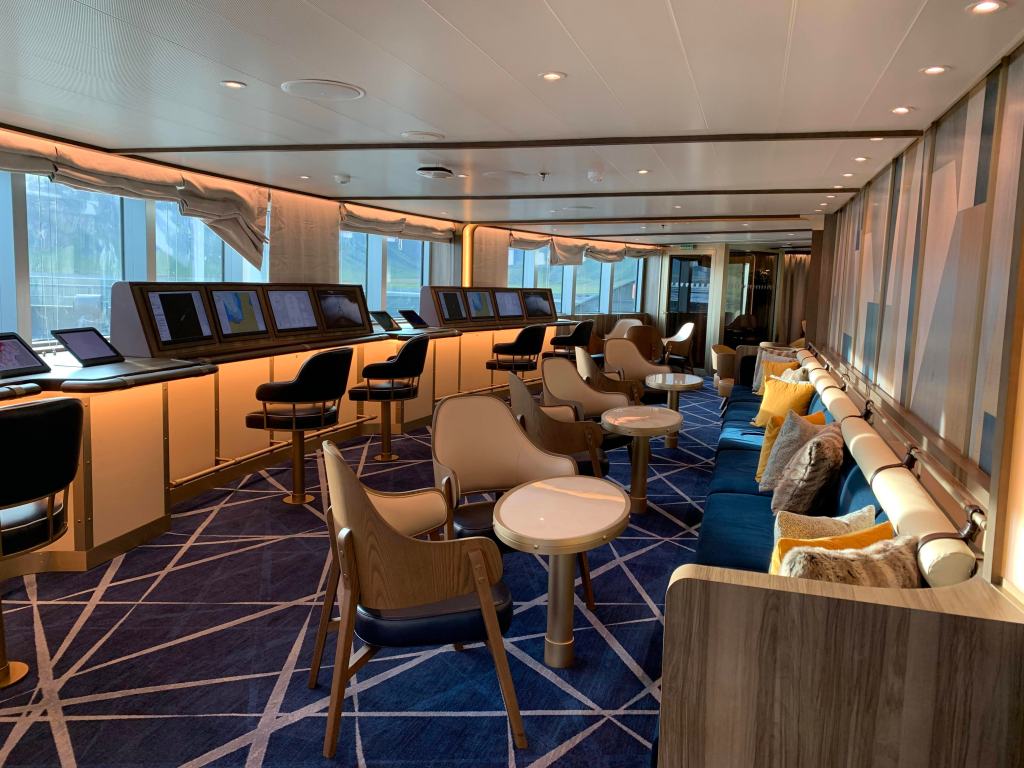
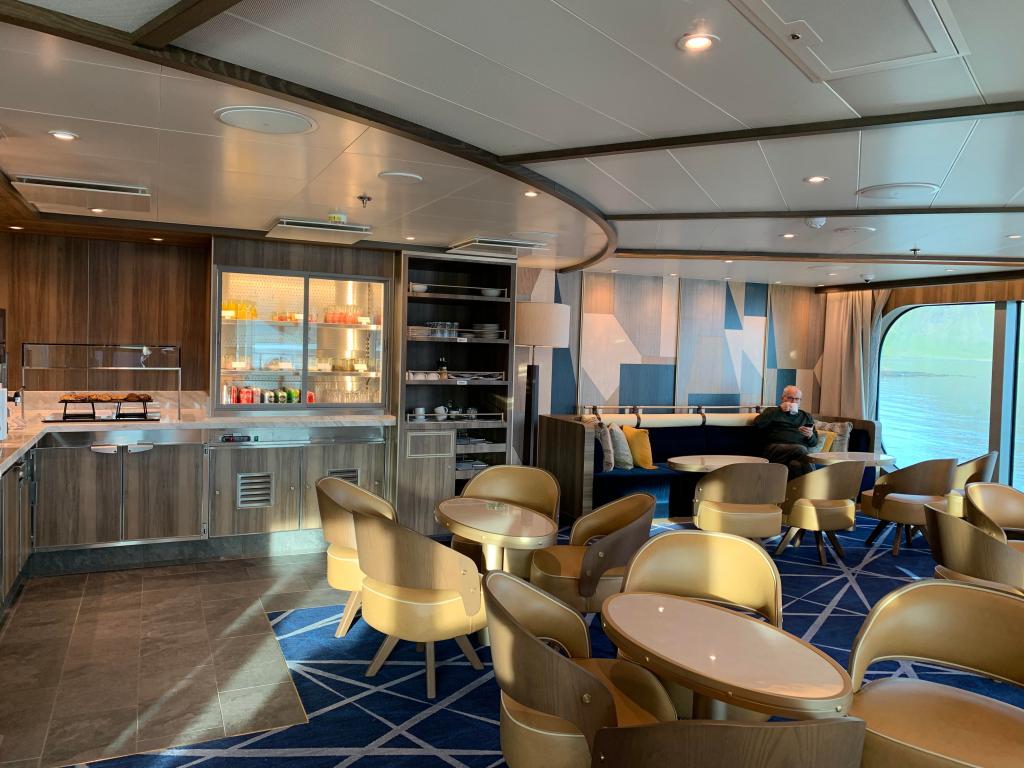
Before we finish up today’s installment here are a few photos of the ship:
Next: More Ice Ice Baby, not the Vanilla version
 Explorer Barb