Yes, friends, it has been awhile. Transitioning back to Pennsylvania and then a marvelous, wonderful spectacular trip. Too bad one of the souvenirs I brought home was Covid, but at least I caught it doing something fun. But enough of that.

Expedition (or adventure) Travel is not a new thing. It has been around since intrepid explorers first navigated the far corners of the planet in search of trade routes and gold and hunters prowled the African plains for exotic trophies. Today’s travelers are more likely armed with cameras and binoculars in search of close-up experiences with the many wonders of the natural world. We also have many more ways to get there and a wide array of accommodations in even the most remote locales. Safaris no longer require hauling tents and subsisting on rations hauled with you from your point of origin, although I am sure you could if you really wanted to. Safari camps range from basic to among the most luxurious experiences found anywhere. Our pre-Covid trip to Africa was incredible and I look forward to going back, but that will be a subject for another day.
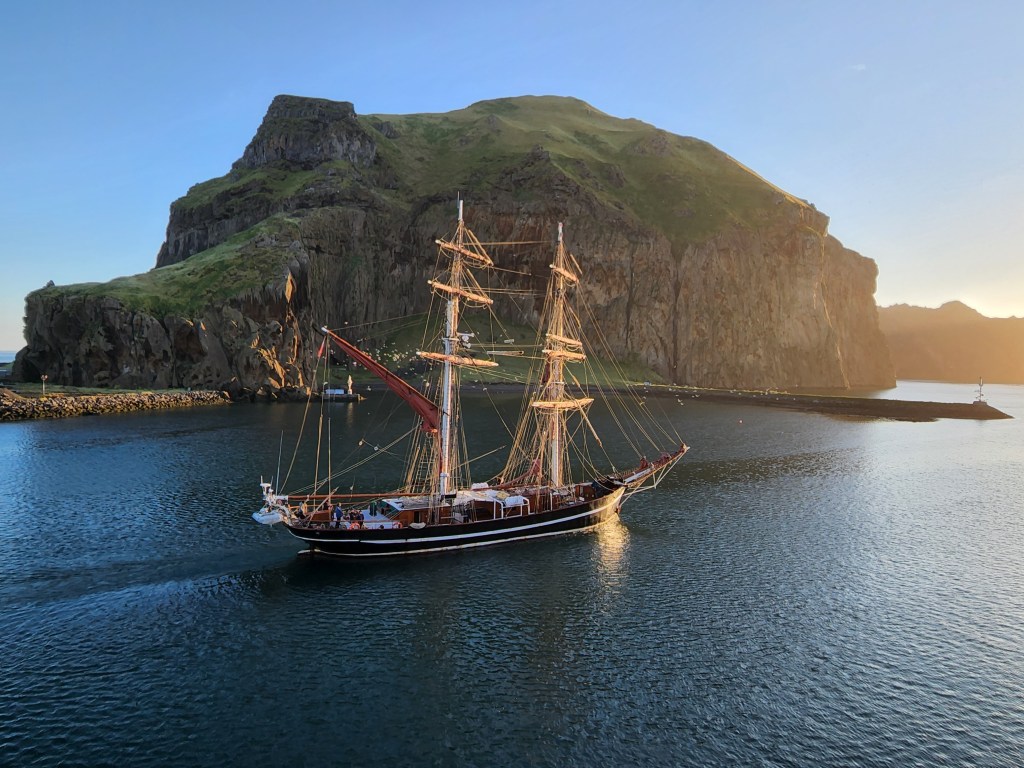
When we contemplate means of transportation, one option is to travel as Magellan and Columbus did, by ship. Fortunately, we do not have to rely on sextants and sail power to make our way across the seven seas (or however many there are at the moment). Cruising has been a major travel segment for decades with a wide and ever-growing range of experiences. Big ships can be the destination itself, like a floating resort, loaded with attractions like surf pools, climbing walls, multiple specialty restaurants, entertainment options like Broadway shows and flashy casinos. But our focus is the other end of the size spectrum- expedition cruising, where the ships are small and the focus is on the natural world best experienced from the water, many inaccessible by larger vessels. Expedition ships have come a long way from the converted Russian trawlers and ice breakers of old, now ranging from the merely “comfortable” to luxury rivaling any found at sea. Yes, you can step onto the continent of Antarctica accompanied by champagne and caviar and back onto the ship for a dinner of French cuisine accompanied by fine wines.
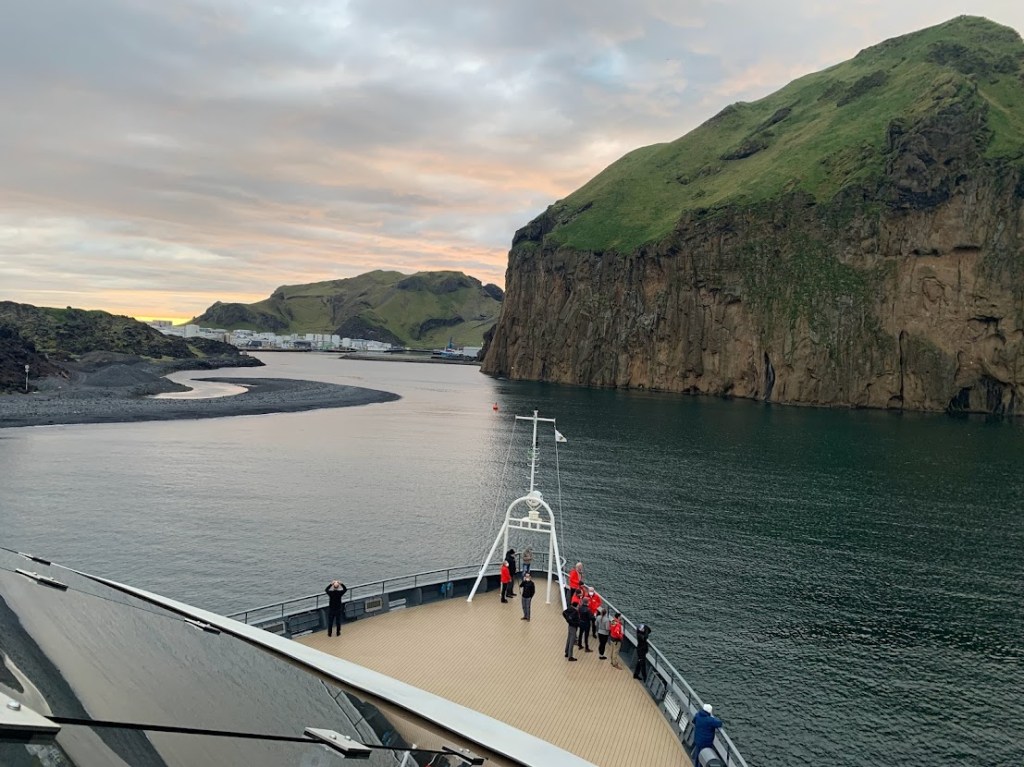

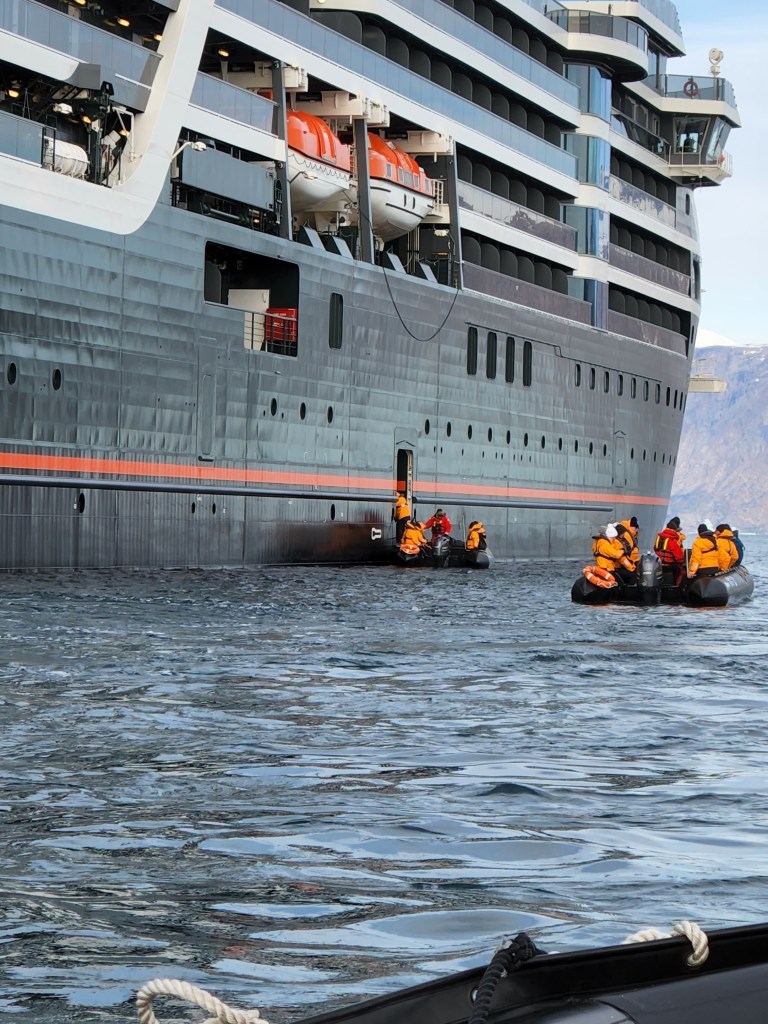
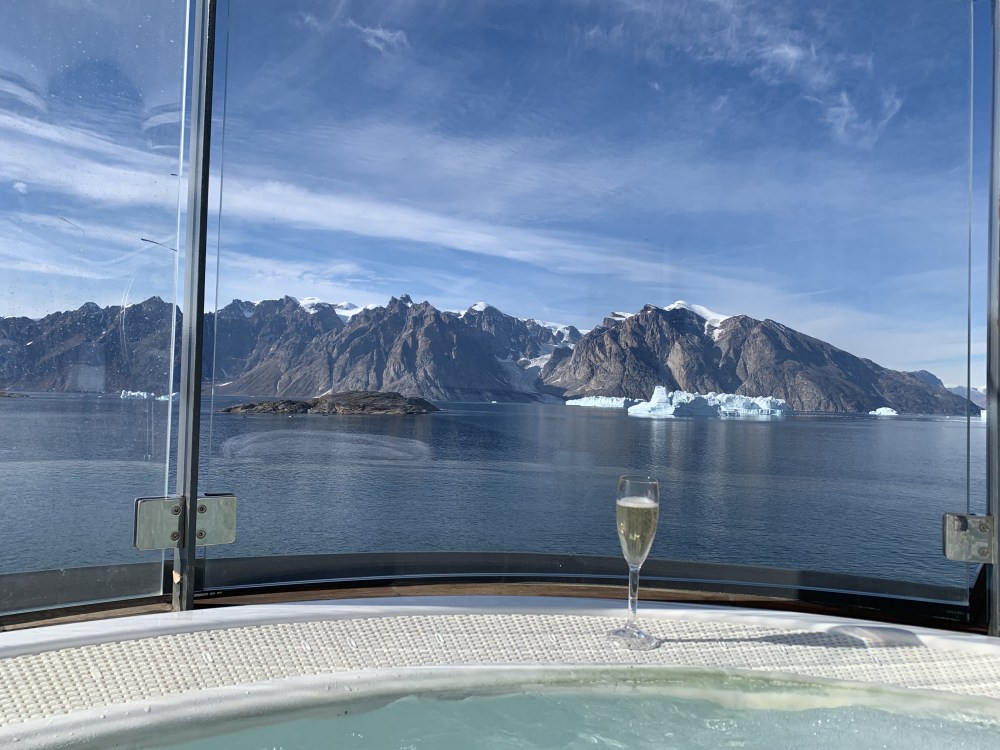
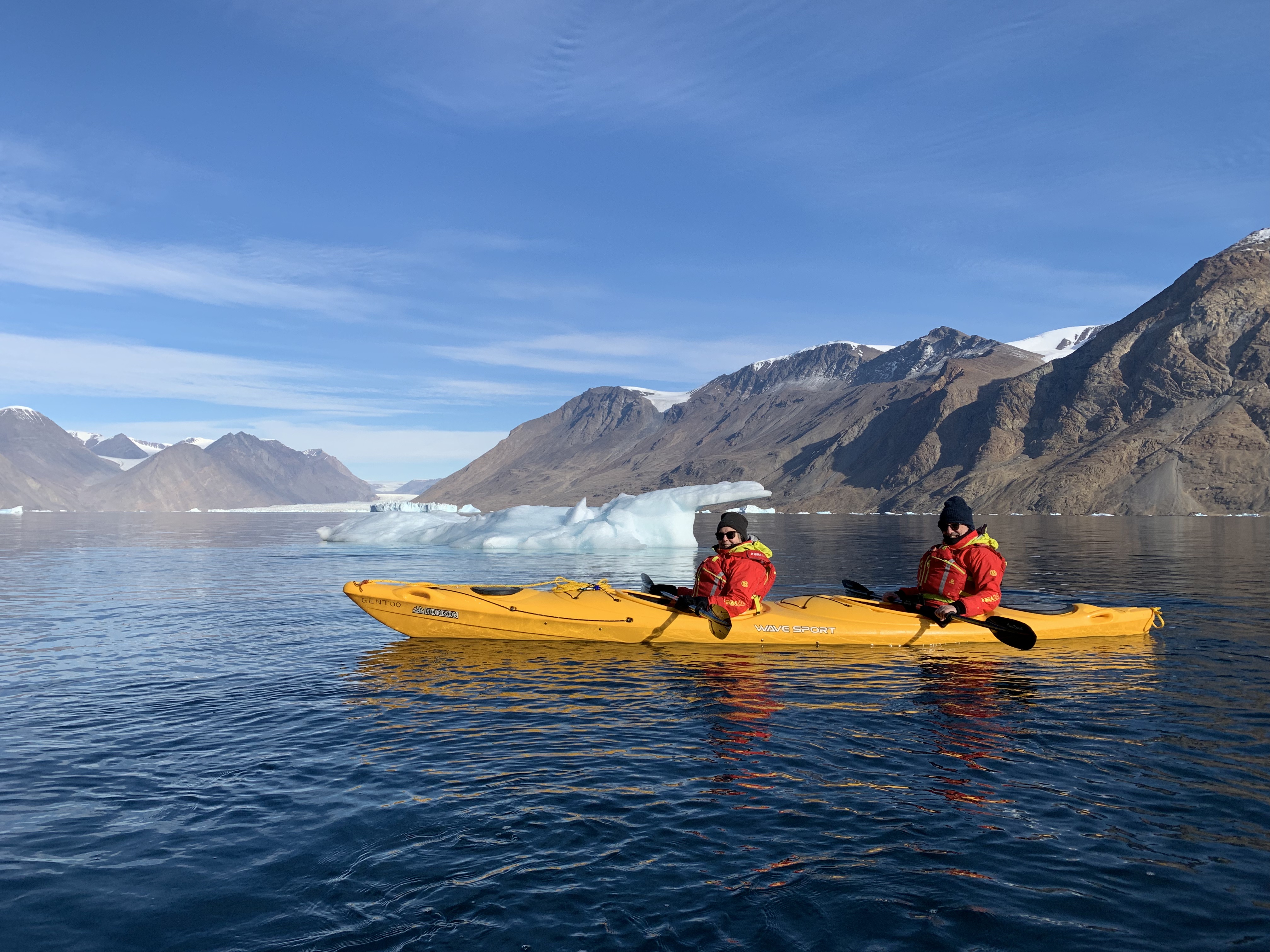
We embarked on our first expedition cruise in August, boarding Seabourn Cruise Line’s brand new specially built expedition ship, the Venture in Reykjavik, Iceland for a 14 day itinerary called Legend of the Icelandic Sagas. Our route circumnavigated Iceland and visited several fjord systems of Eastern Greenland. The ship has 132 veranda suites, carries twenty-four zodiac boats, two submarines, a dozen double sea kayaks and a 26-person expedition team which includes ornithologists, geologists, marine biologists, plant specialists, historians, and a polar bear expert. They really make the trip- driving zodiacs, piloting submarines, guiding hikes, leading kayak trips, identifying plants, giving presentations on locales visited, their history and culture, wildlife and birdlife, sea creatures to watch for and in general keeping the two hundred or so passengers safe in what are often remote and challenging environments.

Excursions are included in the price of expedition cruises although there are some that carry extra costs. Some cruise lines include kayaking, Seabourn charges extra for that along with the submarine trips. Another difference between expedition and “regular cruising” is the variable nature of the schedule and the activities. On a standard cruise if the schedule says you dock in Rome at 8 am and depart at 5 pm you can be fairly sure that is what will happen. There were times on our trip when the nature of the weather necessitated changes- seas too rough to launch zodiacs, or sea ice blocked a fjord. A planned landing at Papay Island was cancelled due to rough and stormy seas so we just moved on to our next destination, arriving at beautiful Heimaey Island for a spectacular sunset rather than in the dark of night.
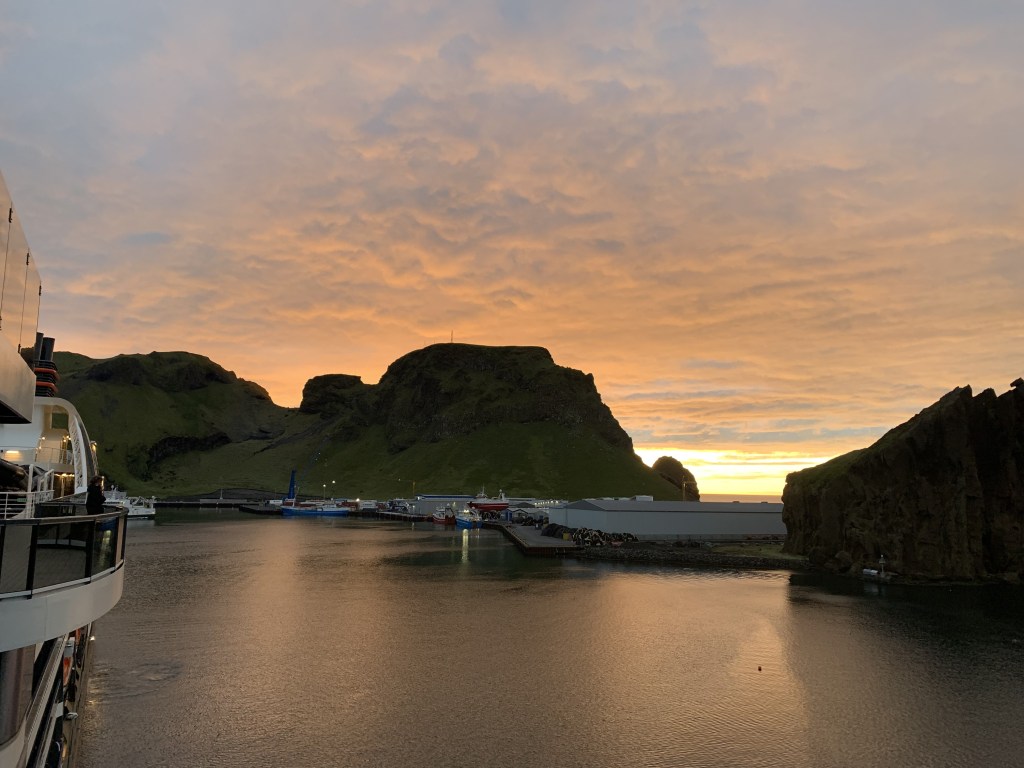
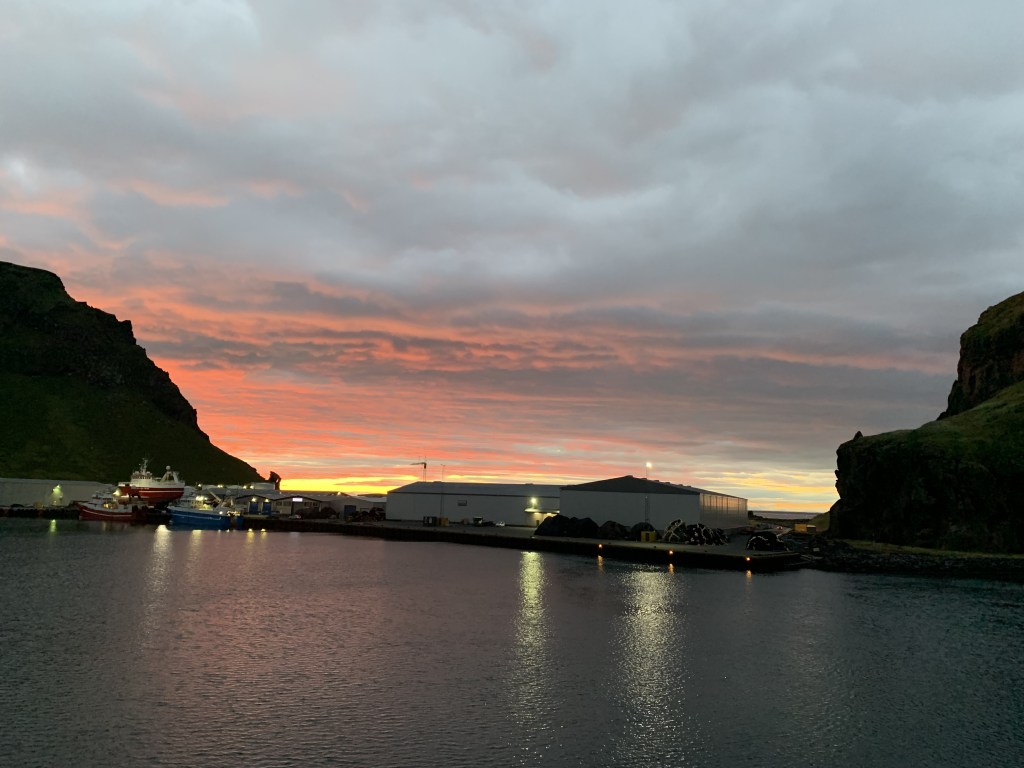
The Itinerary could be divided into days that look like those you might find on a regular cruise ship, docking at a port and walking off the ship to do something -just with less people. Other than Reykjavik we only saw one other cruise ship, another small vessel. We booked excursions in advance, there was always at least one included excursion available, with space available for anyone who wanted to go. These were run by shoreside tour companies, and probably turn up on the list for other cruise ships. There were also other options at extra cost, like four-by-four experiences and cave tours. We enjoyed the ones we did. Some were full day trips that included lunch at a local restaurant were the food was excellent. One meal was among the best of the whole trip- hard to beat well prepared cod that was swimming that morning.
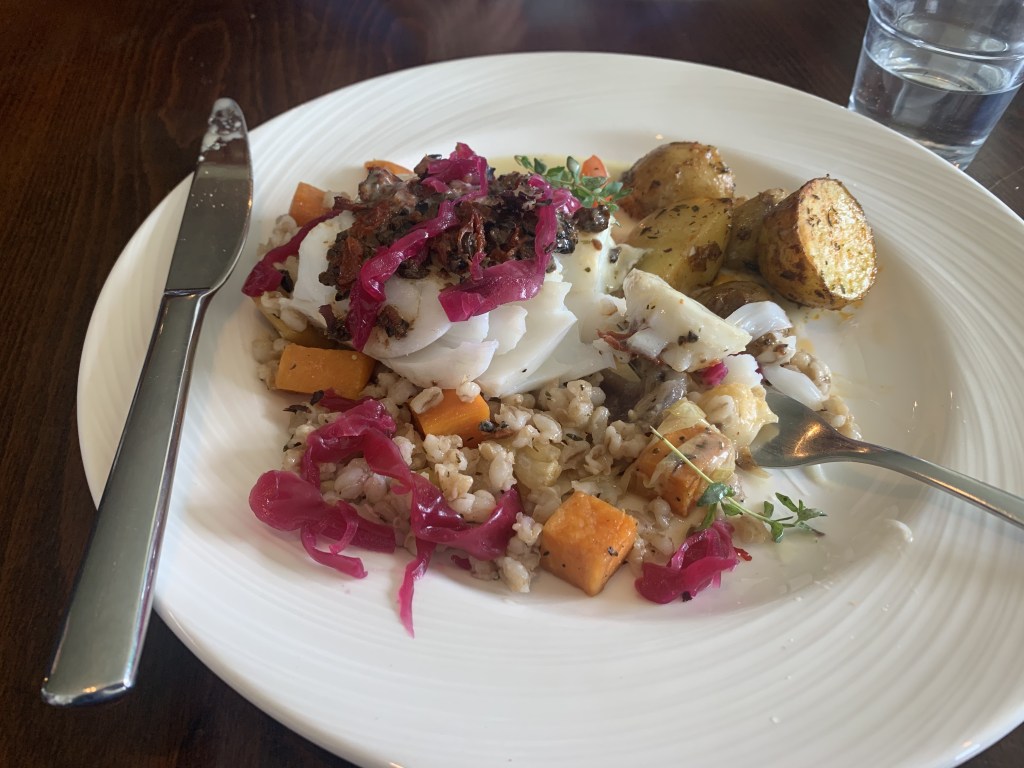
Really really fresh fish
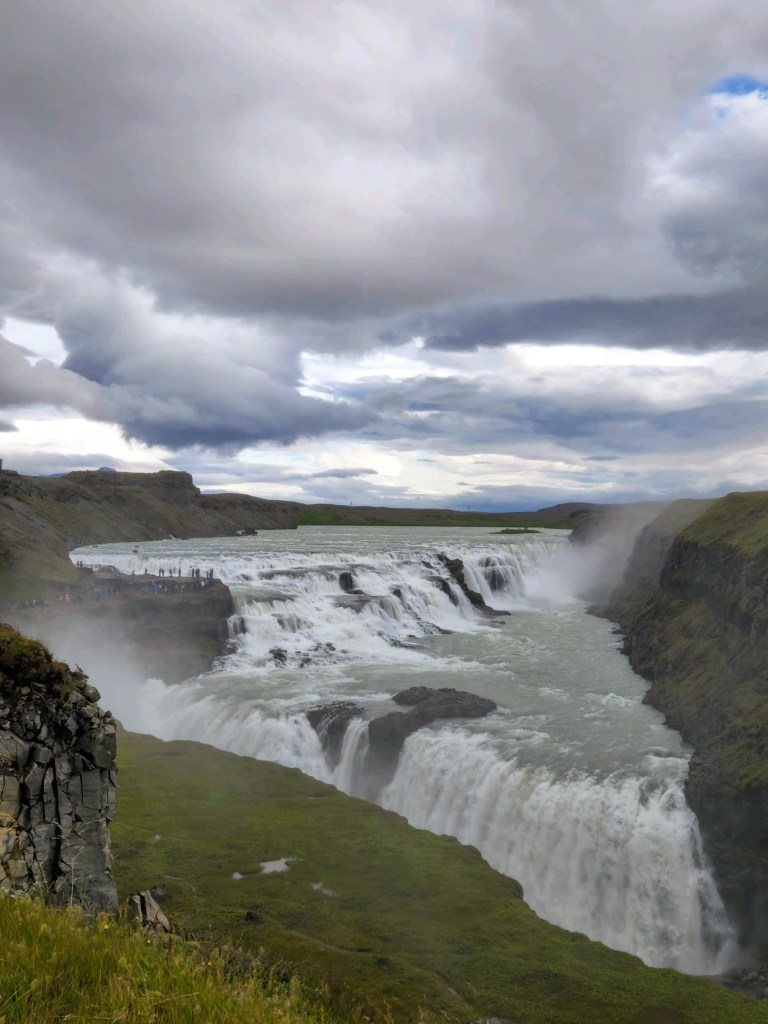
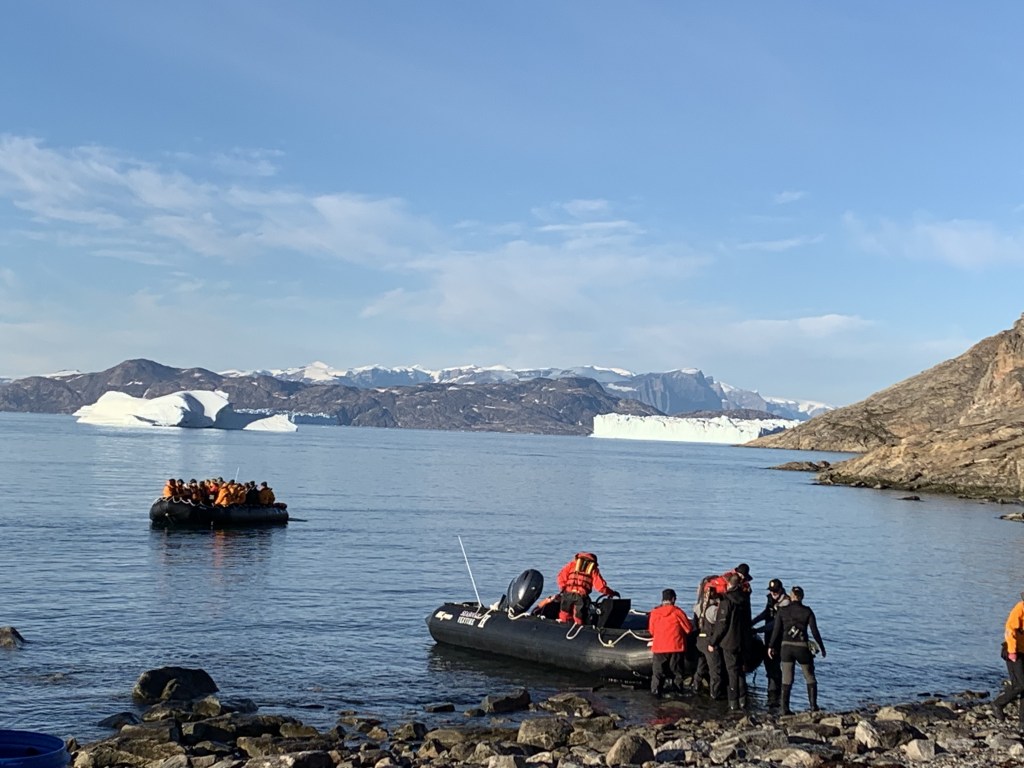
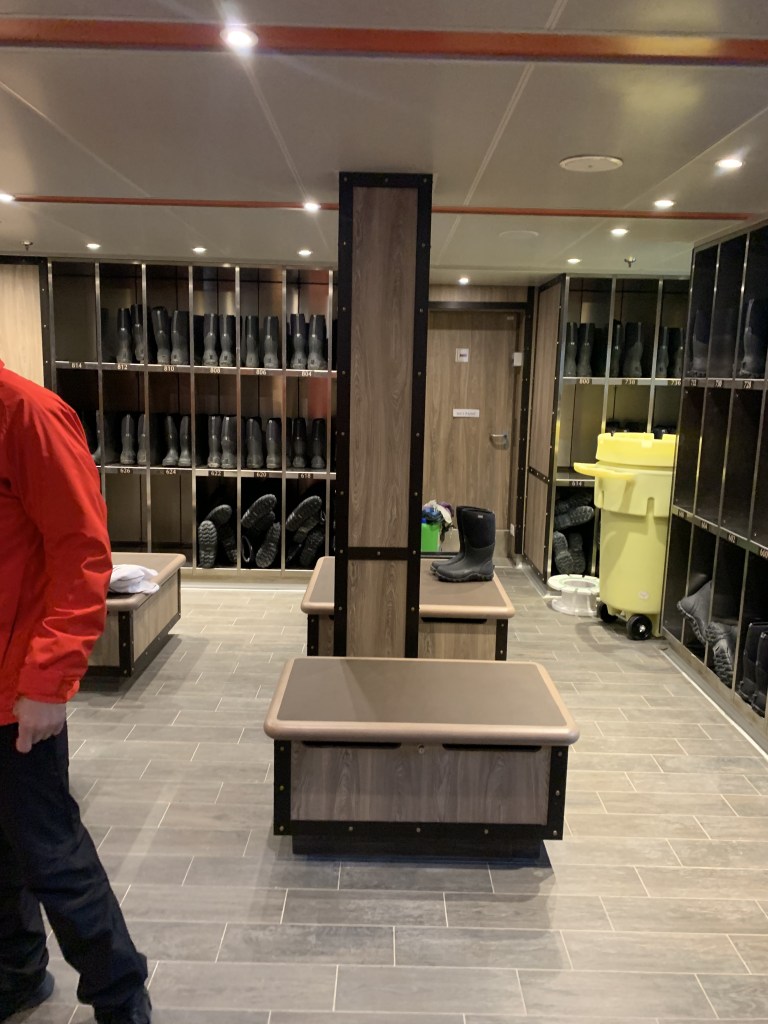
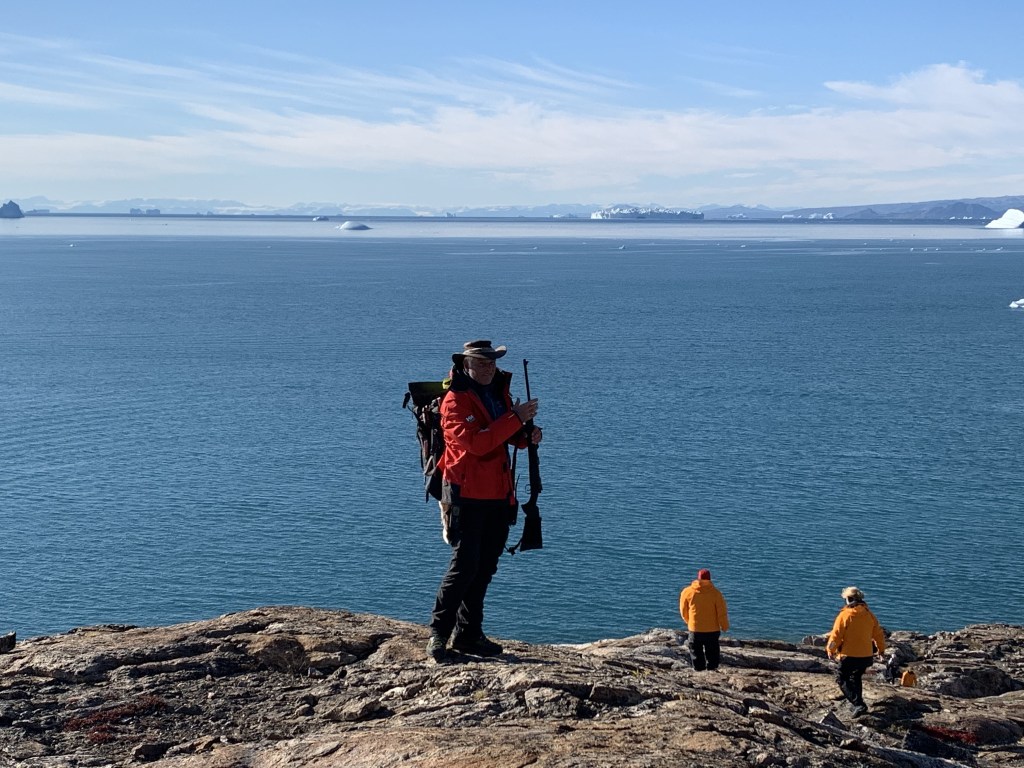
But what really puts the expedition in expedition travel are the other days- when the day revolves around getting on a zodiac boat either to get to land or scenic cruising – which is reasonably self-explanatory. Landings can be wet or dry- a wet landing requires waterproof pants and rubber boots, on our ship they were supplies, on others you rent them or bring your own. You will be stepping out of the boat into water so those are mandatory. Dry landings mean you will pull up to some kind of pier. No boots needed, but life jackets are required whenever you are on a zodiac. Passengers were divided into groups- there was a blue dot or our key cards, so we were in the blue group. Departures were scheduled by group- like Blue and Green at 8:00, Yellow and Red at 9:30. The groups rotated so we were not always first or last. Kayak trips and submarine dives had separate times making for a busy day for the expedition team.
As noted earlier, on expedition days there was a general destination on the itinerary. What specifically would happen and when we did not know until the evening before, and even then, it sometimes changed. Most days there was a briefing at 6:30 PM when the expedition leaders would cover the plan for the next day. Usually there were also brief presentations on topics related to the trip, accompanied by champagne or cocktail of choice supplied by the bevy of waiters in the theatre or a bartender in the lounge next door. A great wind down from a busy day before moving on to dinner. There is live entertainment, a duo and a couple of other singers that rotated through the various lounges and more substantial entertainment at 9:15 every evening. But by that time, we were sacked out in our cabin. These are long, active days and yes, this is an older crowd.
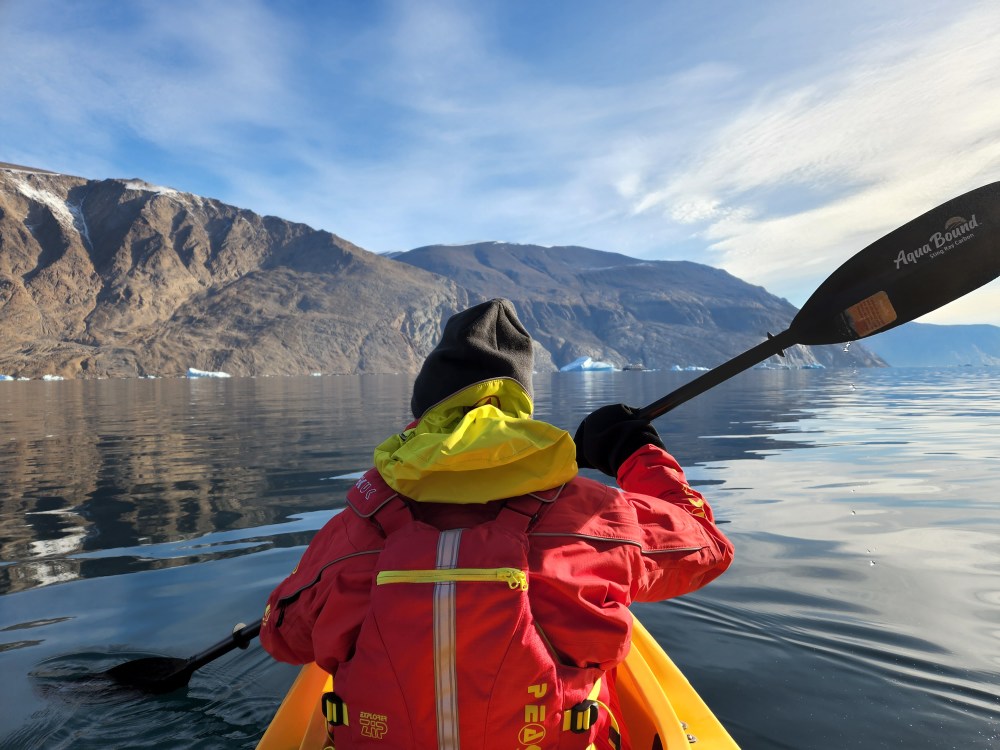

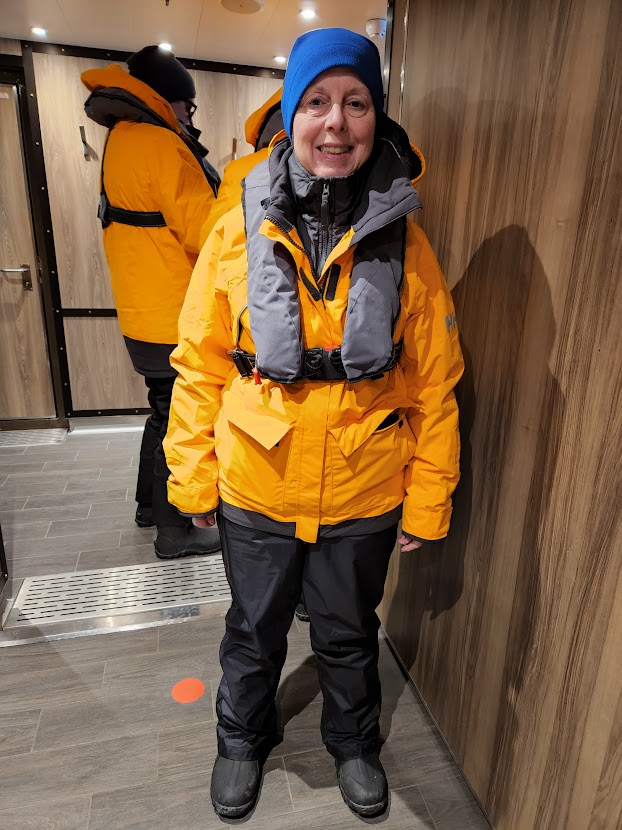
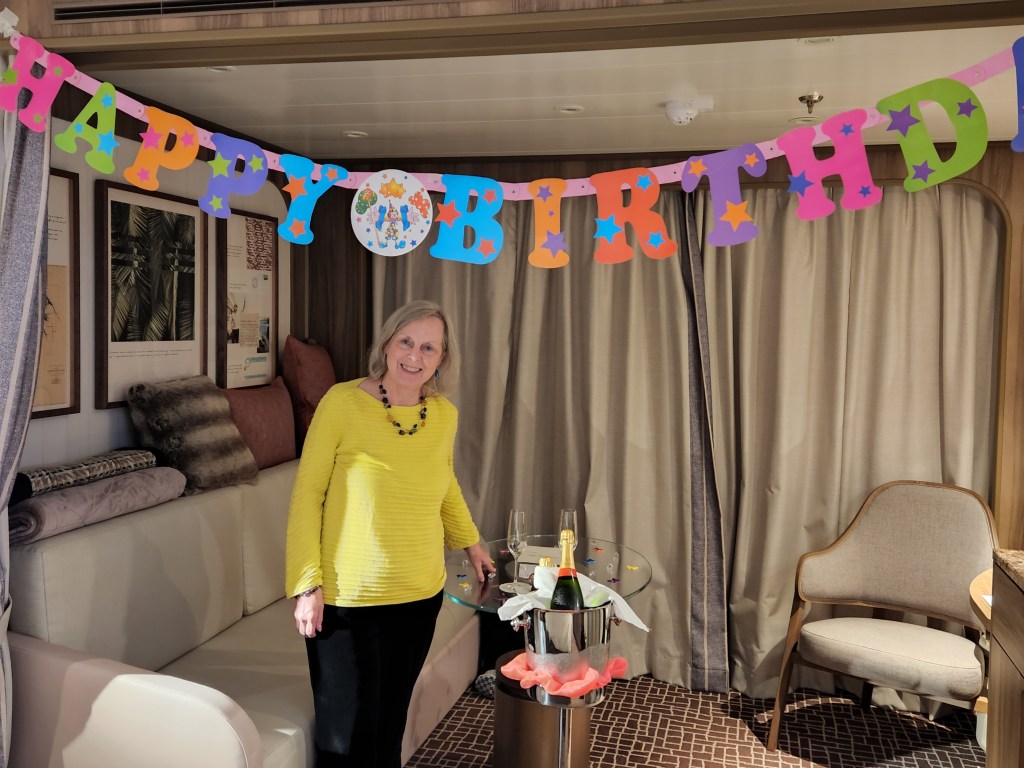
What level of fitness do you need to undertake a trip like this? There are expedition operators offering more rugged and demanding trips than Seabourn operates (more information on how to determine what is right for you below). I turned sixty-five on this trip (yes this is what I wanted for my birthday) in good health and regularly hike five miles with a group of similarly aged friends. All of the activities were within my comfort level. We went on the long hikes offered at a few of the landings, none were all that long, less than three miles. But if you can step into and out of a rubber boat with assistance and walk half a mile over rocky terrain you would be fine with most of the basic activities. There were plenty of people older than us on this trip, including an older gentleman with a cane who did not do the longer walks but did fine with most places.
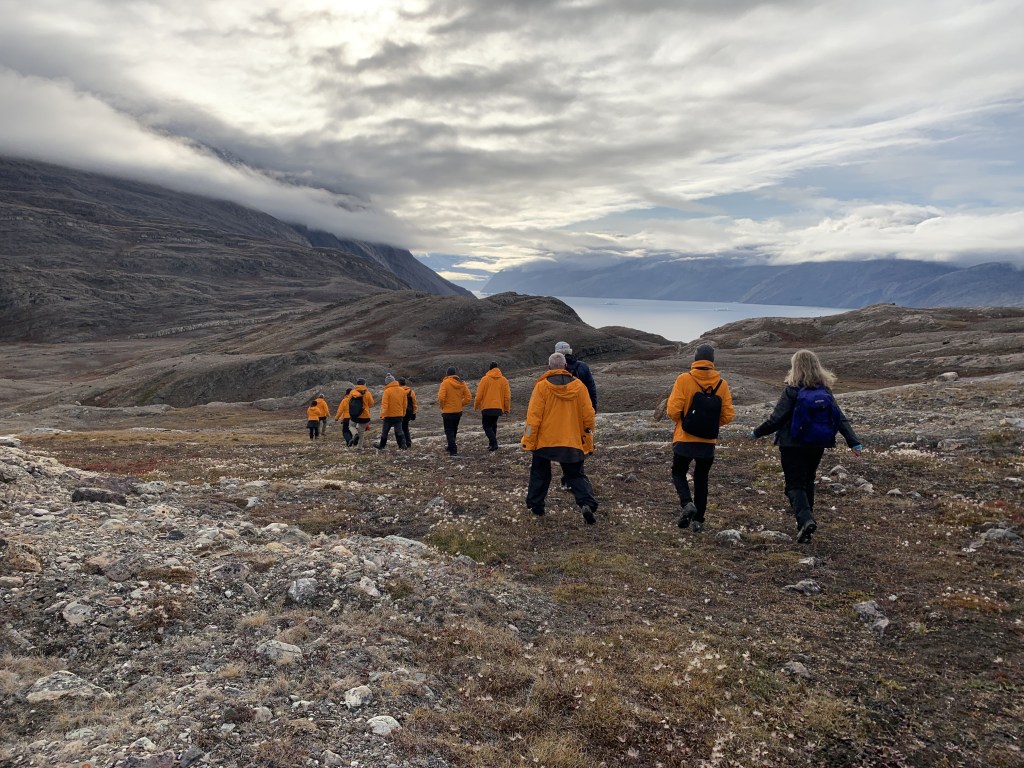
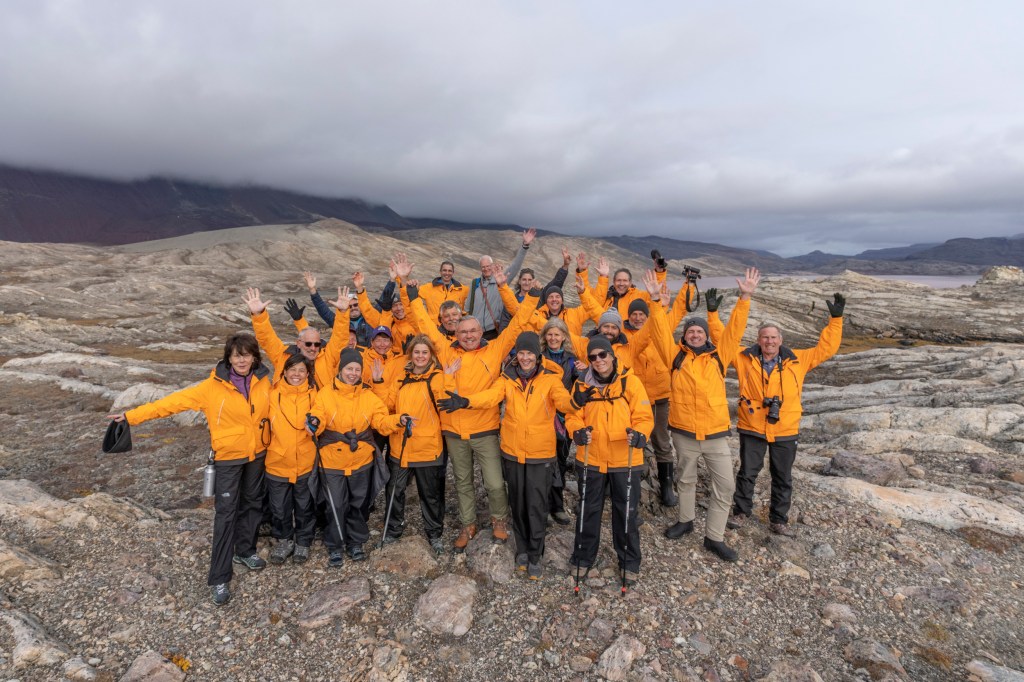
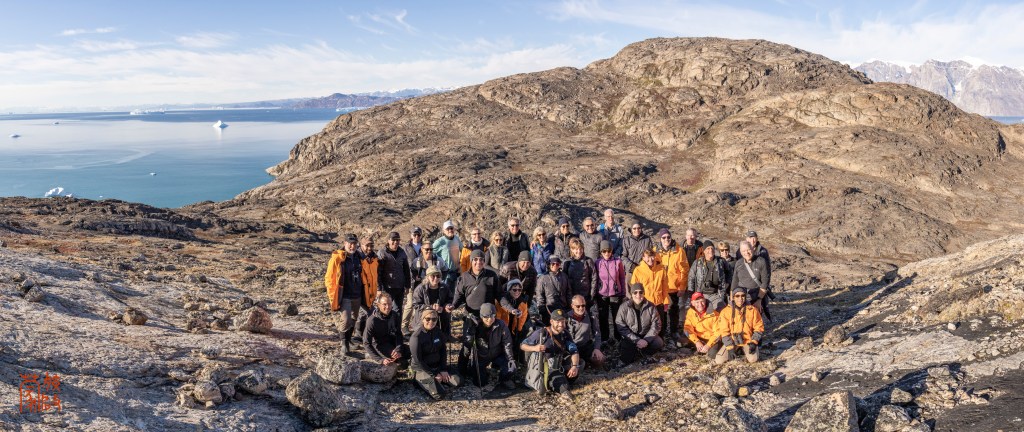
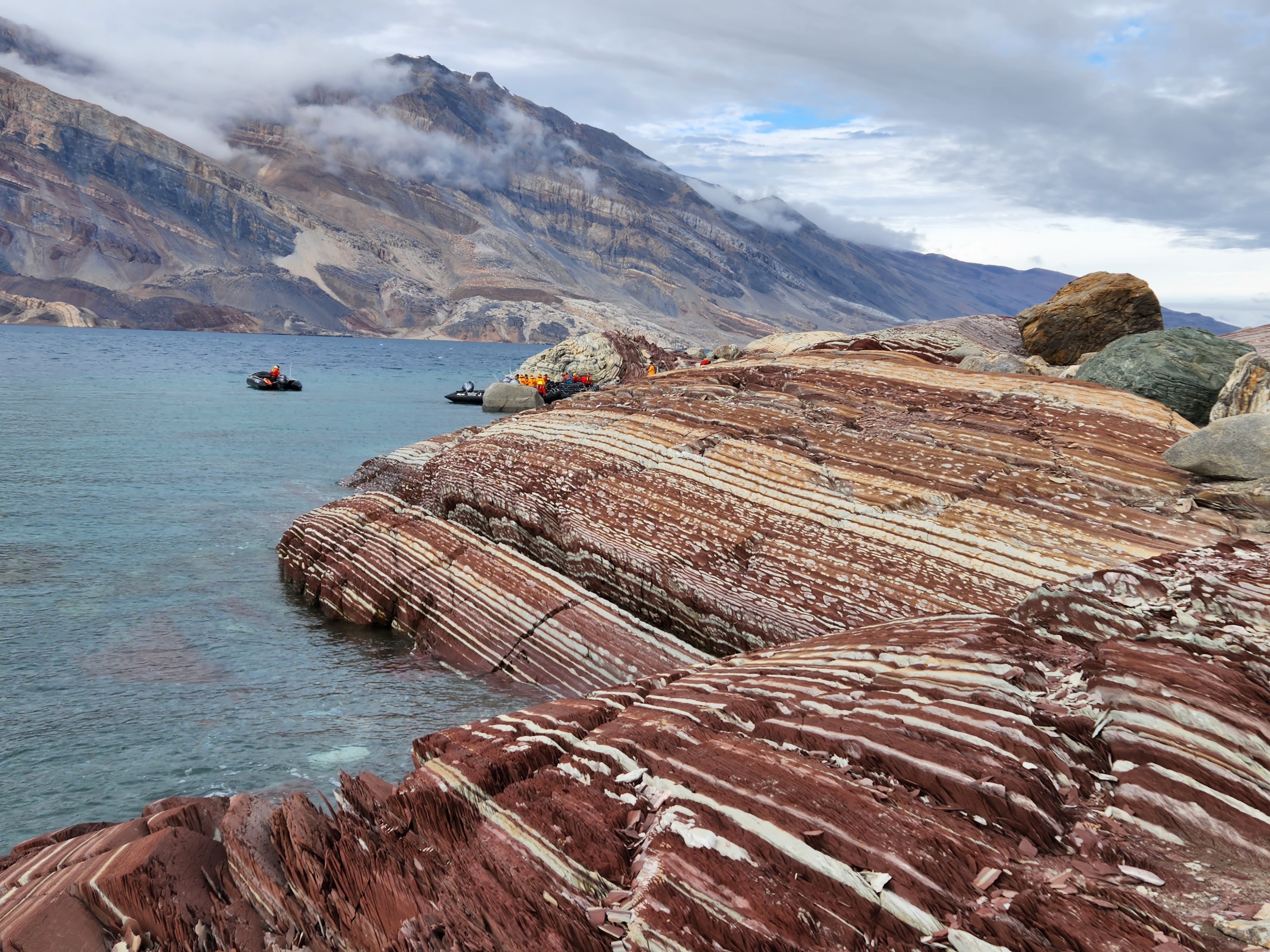
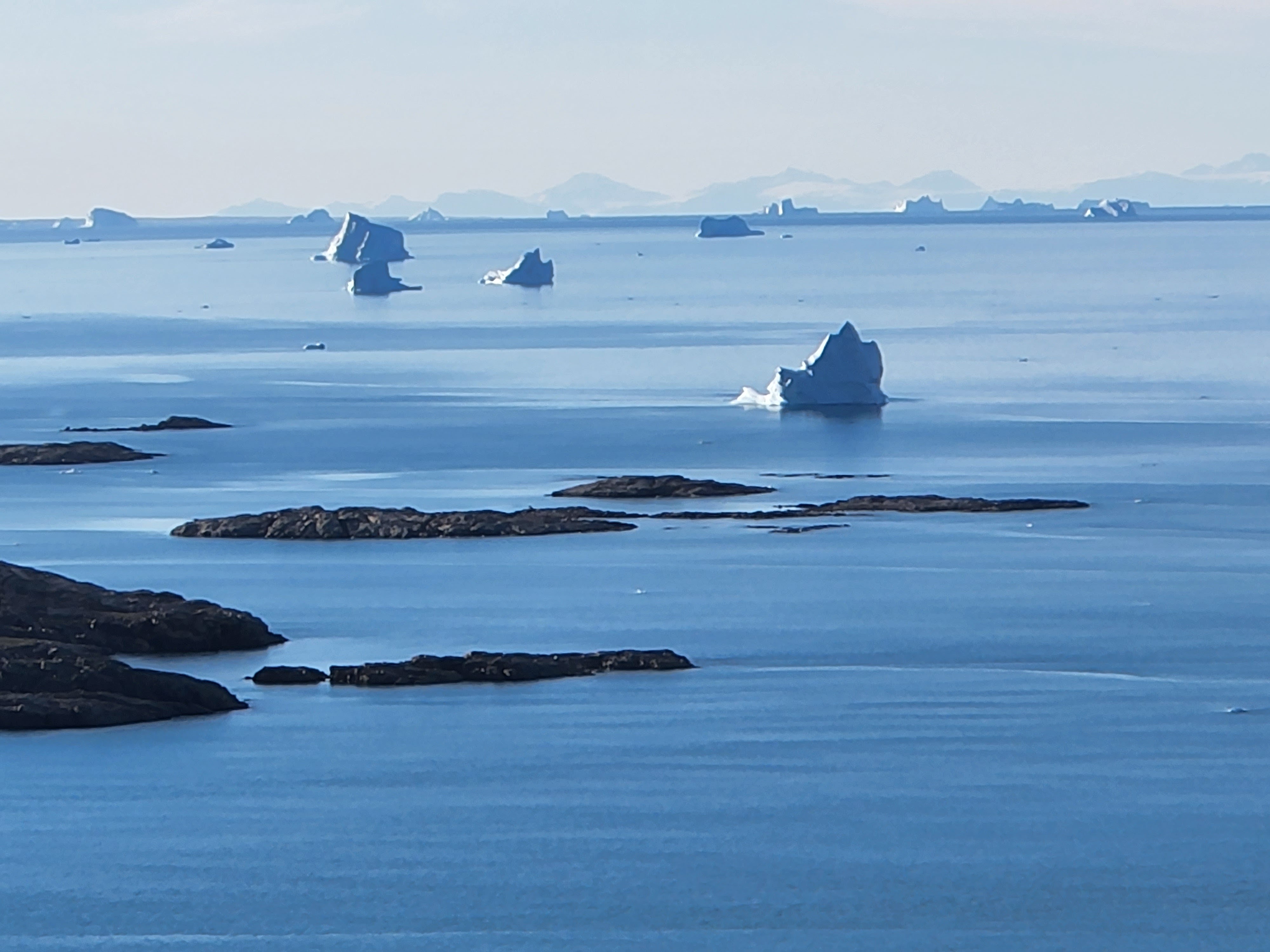
Over the next few posts, I will cover more about the experience: where we went, what we did, the people on the ship, food and so on. And lots and lots of pictures, although they do not do justice to the majesty of the surroundings.
More Information
On cruising in general – a good travel agent that specializes in the category of experience you want is invaluable. This is one travel segment where they really deliver value. Ask for recommendations or check out the lists on Travel and Leisure, Conde Nast Travel or Wendy Perrin. This is a big industry, with a plethora of types of ships and experiences. If you once went on a bargain cruise and found cruising not to your liking (too many drunk spring breakers, overcrowded buffets with mediocre food, Hairy Chest Contests, etc.) you may just have picked the wrong one. The Hairy Chest Contest is a real thing by the way.
Check out cruisecritic.com for reviews and general information. Go into the Boards section where you can get information and advice on cruise lines, specific ports, and other topics.
Search Facebook and Instagram for posts by Cruise Lines and by travelers on lines and ships of interest. You may have to join a group, like “Seabourn Sailors” or whatever but it is a terrific way to see more about the experience on board.
I have no desire to sail on the biggest cruise ship in the world (remember I am married to “he who hates traffic”, which extends to lines and crowds) but if this is your thing, check out this live post.
Expedition Cruising:
Seabourn leans toward the luxury end of the travel segment. As does Silversea and Ponant.
Quark, Lindblad/National Geographic, Oceanwide Expeditions and Hurtigruten are other operators.
A general way to see who goes where is with a cruise tracker like cruisemapper. During the season for that area check the location and see what ships are there. Right now, around Greenland I see National Geographic Endurance and Quark Ultramarine. If I click, I can get to the itinerary, deck plans and reviews. It must be the time to visit the Galapagos because there is quite a cluster there.
Articles and media for more information
Expedition tips and who sails where
Expedition Cruises for a wild and remote adventure
How to Pick a Cruise Line Provides lots of information on cruise lines and the wide variety of experiences they offer
YouTube has lots of videos of, well everything. But it is a good way to learn more about expedition cruising.
Chipper youtubers Kara and Nate chronicled their Ponant expedition to the North Pole and the Svalbard Archipelago and voyage to Antarctica on Polar Latitudes. If you want to know what it is like to camp overnight there, here you go.
Gary Burbridge’s Tips for Travelers is a straightforward series with lots of good information and much less giggling. What is different about expedition cruises, about his experience in Antarctica. I thought this was really useful.
 Explorer Barb