We have all done it; looked up how to fix a drippy faucet or make a make a sourdough starter. Next thing you know you have been sucked down the rabbit hole of YouTube videos and pictorial tutorials that provide just enough information to either confuse you utterly or endow you with confidence in your ability to (with a few trips to the hardware store) fix the problem yourself and save a few bucks. I confess mixed success in this area. It seemed pretty easy to replace two bathroom faucets. Multiple hardware store visits, many hours by spouse, I and our very kind next door neighbor who has every tool and who can fix (almost) anything later, we prevailed. But we ran into issues not shown in any of those oh so helpful videos and all said- we should have just called a plumber.
Surely there is a better way to learn how to do something than watching random people on YouTube? That’s fine for quick things like taking a stain out of carpet. But what about something more substantive you want to learn how to do? Covid gave us all more time at home and flexibility to experiment with new endeavors. Zoom opened up a platform for online experiences – adding interactive options to the “watch this” tutorials already in existence. Entities that did in person training experimented with various online platforms while in house training options were no longer possible. Today I will share my experience with two virtual paid learning experiences; one in an area where I have some skill, the other in which I was clueless.
I have been baking bread for years but am by no means an expert. While I usually manage to produce a decently tasty loaf, things do not always go the way the recipe sounds like it should. There are loads of YouTube videos out there, but that does not help when something is not working, and you don’t know why or what to do about it. The recipe says do this until the dough is well mixed or shows strength. Well, it’s just lying there. Is it supposed to be running laps around the kitchen? Bench pressing the bowl? But where to go for help? If you bake at all you have seen King Arthur Flour in your grocery store. It is a good product and their website has lots of great recipes, how to videos and they sell every baking tool, pan, gadget and ingredient you can imagine. They also have a well-regarded baking school with classes for every level from beginner through professional. I have always wanted to go. When Covid restrictions called a halt to in person teaching they moved online, which worked so well that even with the resumption of in person classes they have a full calendar of Live online classes. When my beloved spouse was looking for Christmas gift ideas, I suggested he sign me up for a baguette class.
With the registration came all the materials needed and the recipe and a few hours before the class the zoom link arrives. The Baguette class is two parts, on Friday evening you mix the “polish”, a portion of the flour, water and yeast that sits until the next day. On day two they demonstrated the mixing, kneading, rising, shaping and scoring processes. The class of twenty was from all over the country and Canada and mixed in experience. Some were pretty experienced bakers, a few had done previous King Arthur classes, and some were novices. There were two instructors, one on camera and one off who monitored the chat and kept an eye on what we were doing. We could ask questions at any time and there were periodic dough checks where we would position the camera so they could get a look at the dough. “Keep mixed John,” “Barbara, I think you need more water, Ah try a bit more water, Barbara. Hmm, Barbara, maybe you should start again.” That was me, I got a little cocky or distracted in measuring and had to resort to a do over. One benefit from the online format is that they send you the video to download so you can watch it again. And again. Which I did this week to see if I could redeem myself.

In the end, I managed to produce credible baguettes and improved techniques with which I had struggled. It was fun and I learned enough that I signed up for the four day “Artisan Baking at Home” in late May. And while I still want to make it up to Norwich, Vermont for in person classes someday, the virtual experience was a worthwhile and convenient option!
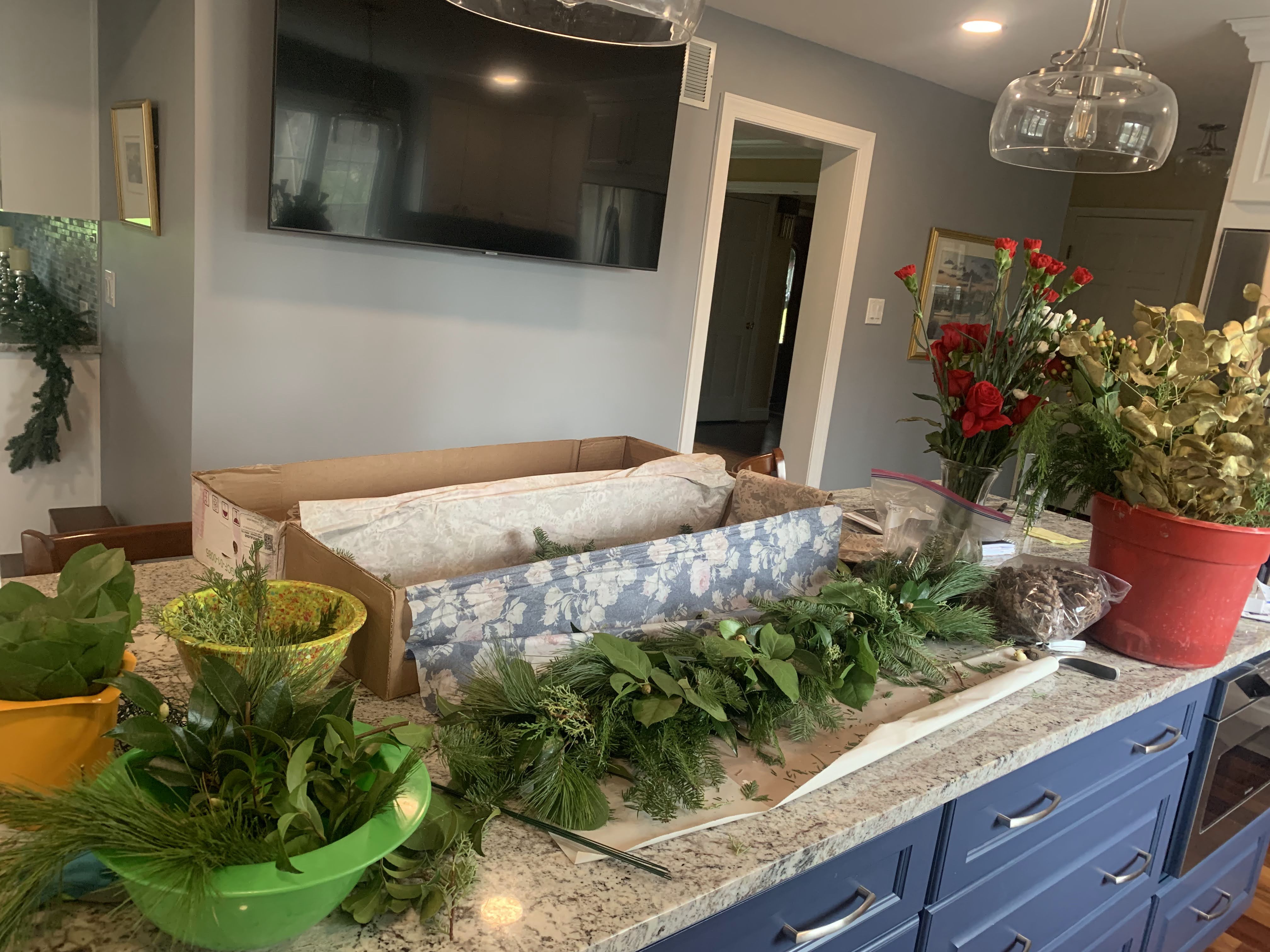
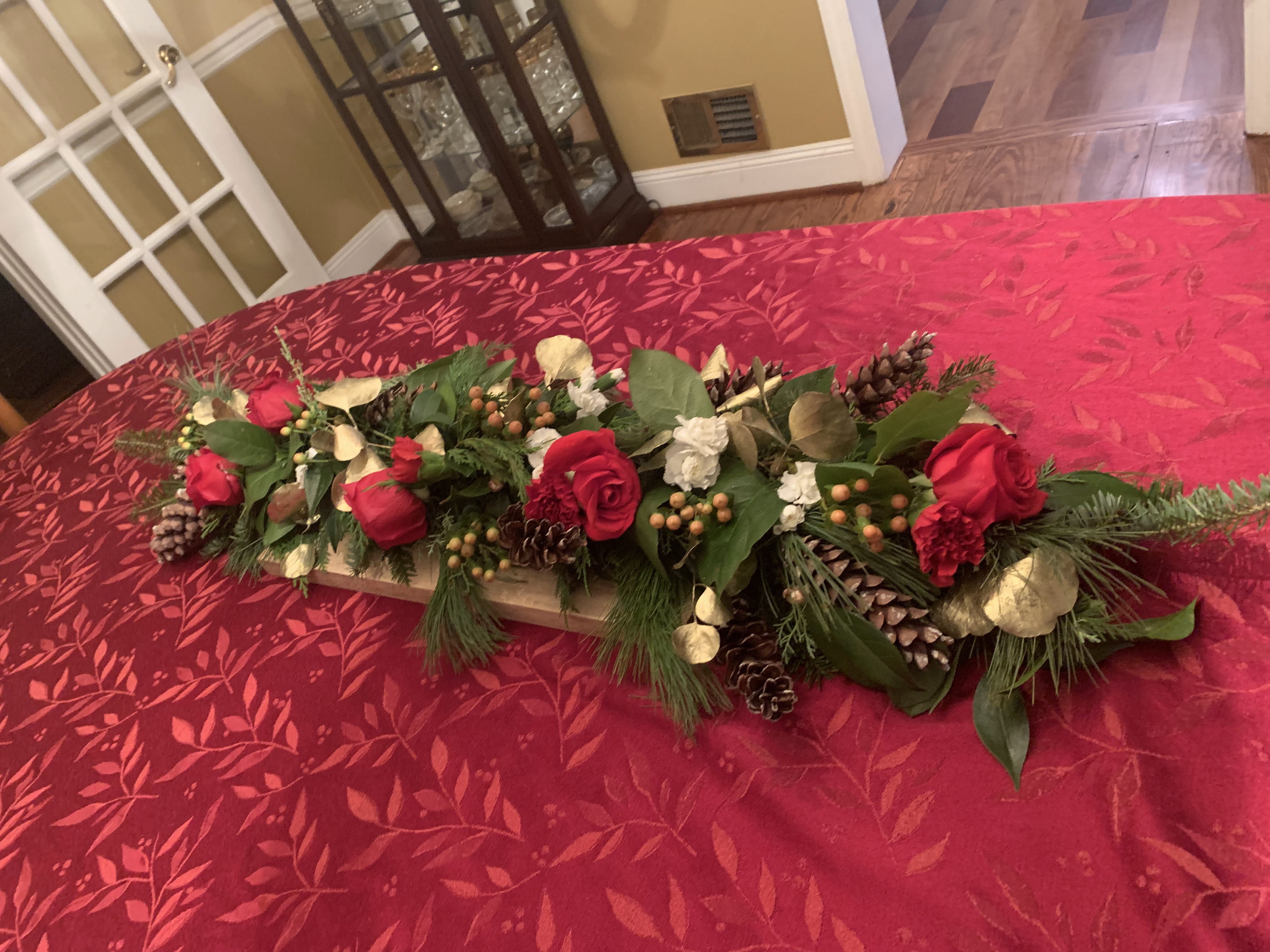
Now we will move on to overcoming cluelessness. I like flowers but doing anything with them other than shoving a bunch in a vase was beyond my ability. At Christmas time I saw a class in one of Gardens’ regular emails that looked like fun. I love the greenery garlands you see at Longwood and other holiday displays. Doing one of those seemed feasible, after all greenery is pretty indestructible compared to flowers. It was virtual, life over zoom so you could ask questions like “please do that again”, “does this look right” and after the class you could access the video for a while. That provided the security that if I messed up on class day I could re-watch it and figure it out. So, I signed up. A day or two before the class date a giant Fed-Ex box arrived with all the materials. A lot of materials. The class itself was a revelation- make a chicken wire cage, water in floral tubes, wiring stuff in place. I learned several techniques that I did not know existed, no way would I have figured this out on my own. Below you can see the materials and the results.
So I signed up for the completely virtual, Floral Design Basics. It is self-paced; with video and static presentation modules you complete at your own pace. This was a bit harder than the live session. There is no way to ask questions and it has been hard to locate some of the floral materials. Each module goes though a type of design, explains the types of flowers, foliage, mechanics and so on then concludes with an “assignment”. The “recipe” gives a list of flowers (with photos), foliage, containers, and other supplies. It describes alternatives, so if you cannot find sunflowers it lists a few alternatives. Locating the flowers and foliage called for in the “recipes” was problematic earlier in the year. The course instructions say that you can post questions on a discussion board and while several people asked where to obtain materials, no useful information was posted in reply. The arrival of Spring flowers in the markets, especially leading up to Easter improved supply immensely.
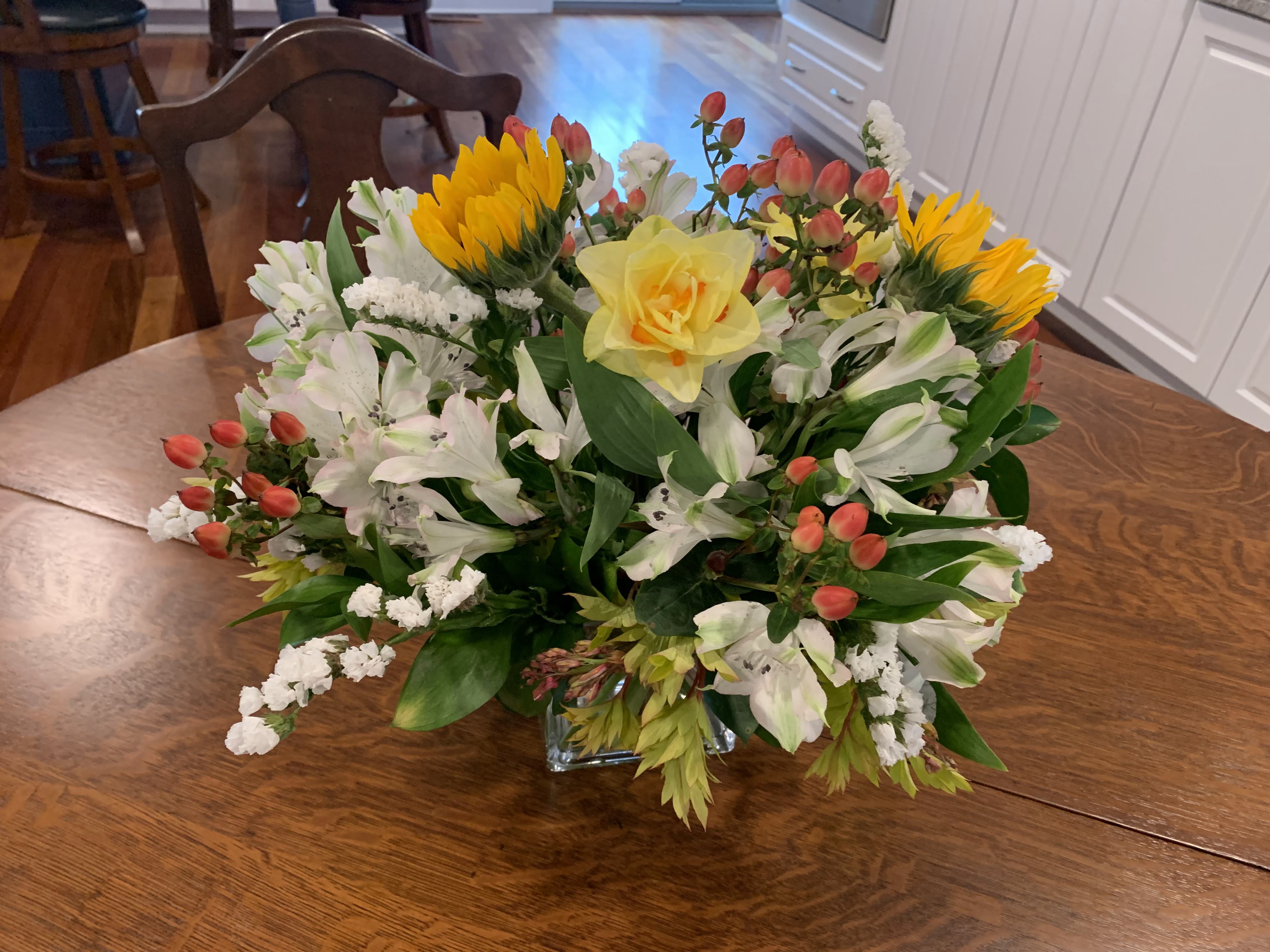
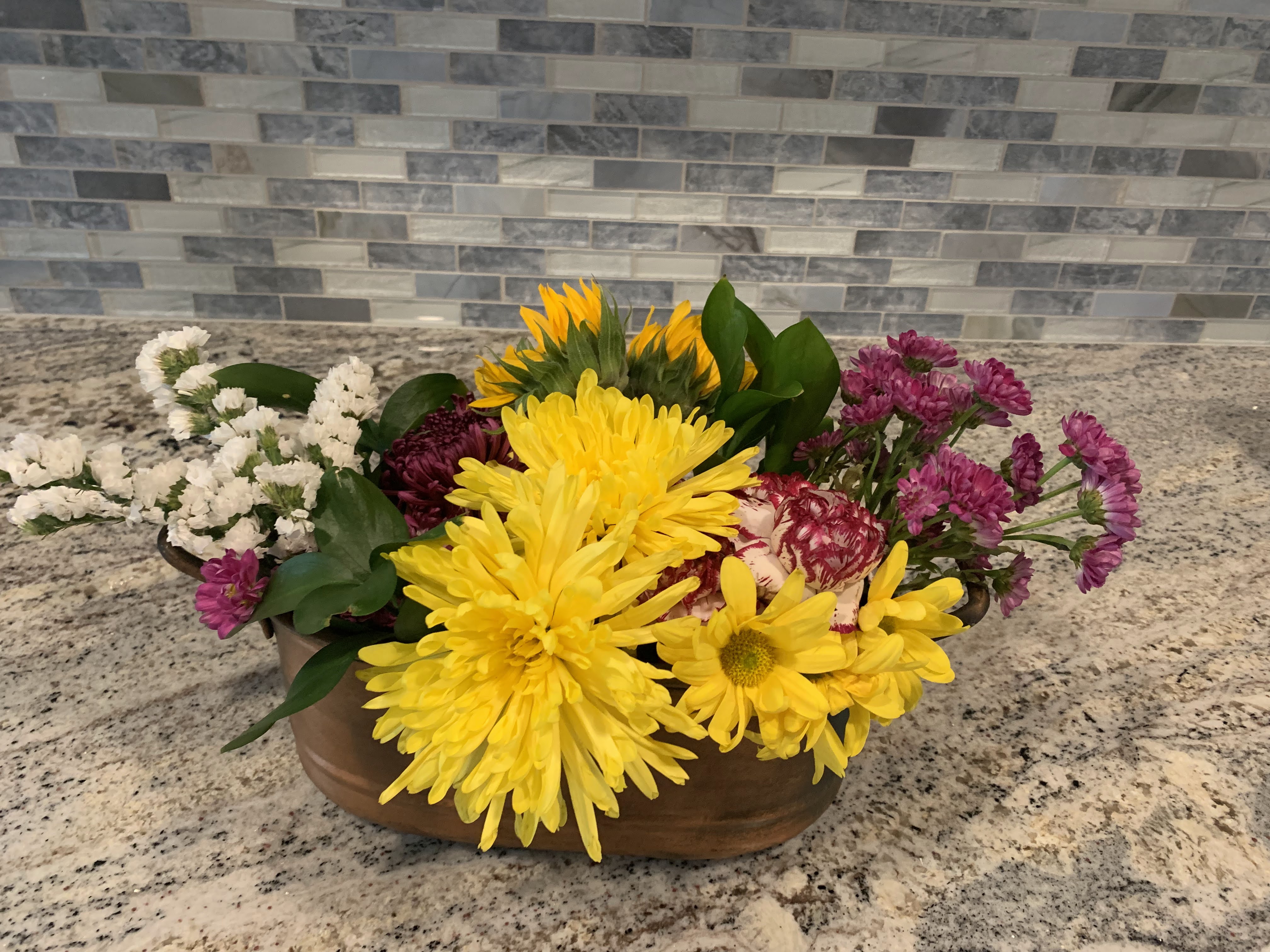
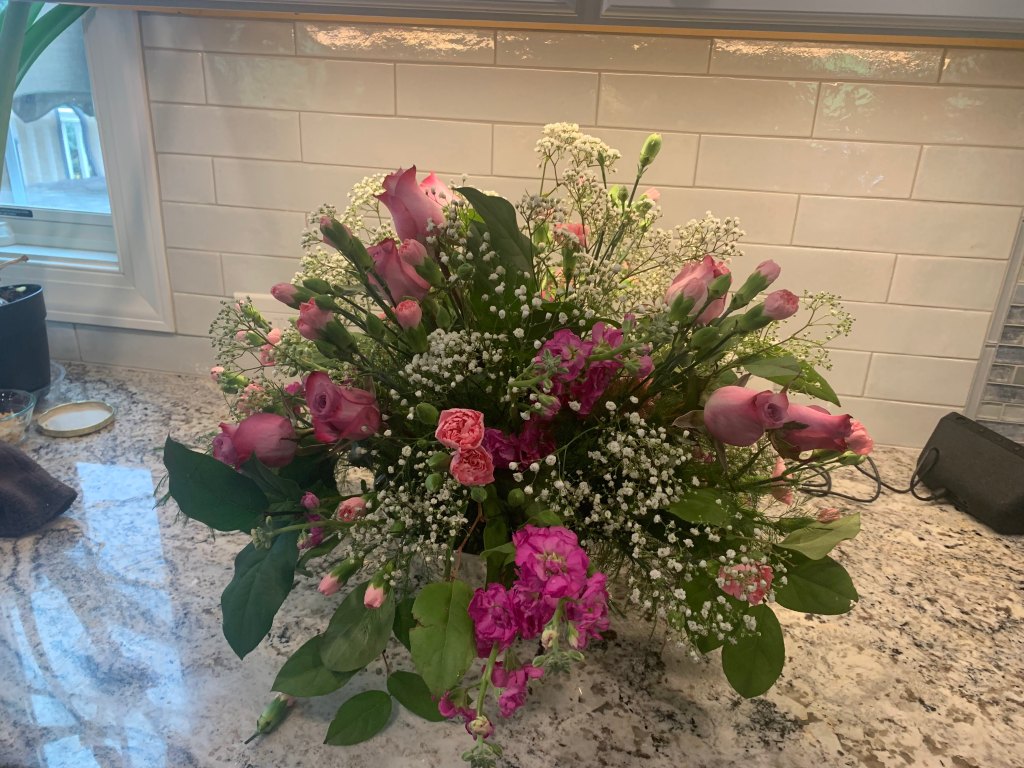
I have not finished all the modules yet but have managed to put together some pretty arrangements! Learning some of the basic principles of creating designs- types of flowers and foliage, how to use them and the mechanics that hold arrangements together has been fun. And since I really knew none of this improved my knowledge and skill in this area immeasurably.
 Explorer Barb