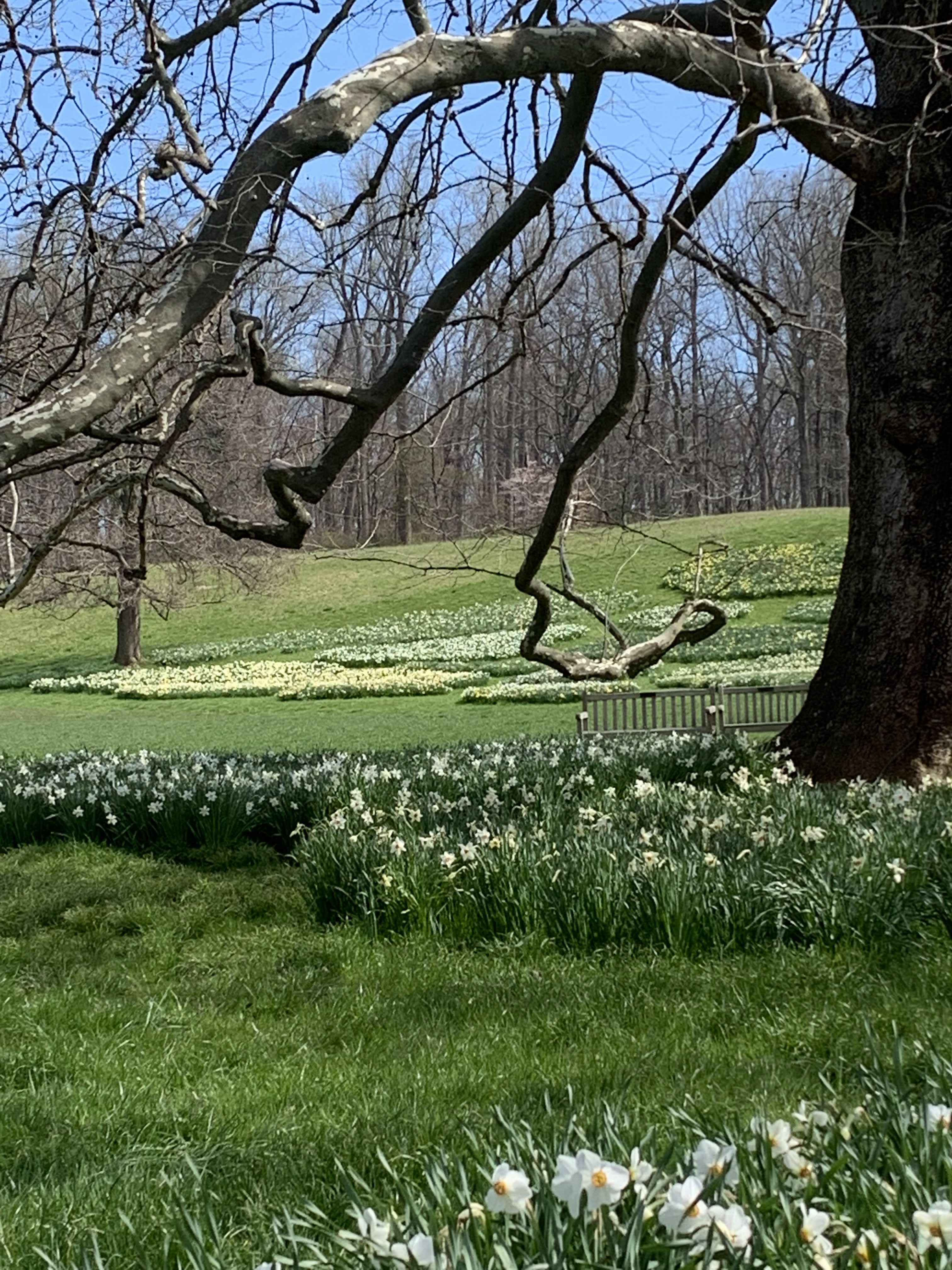
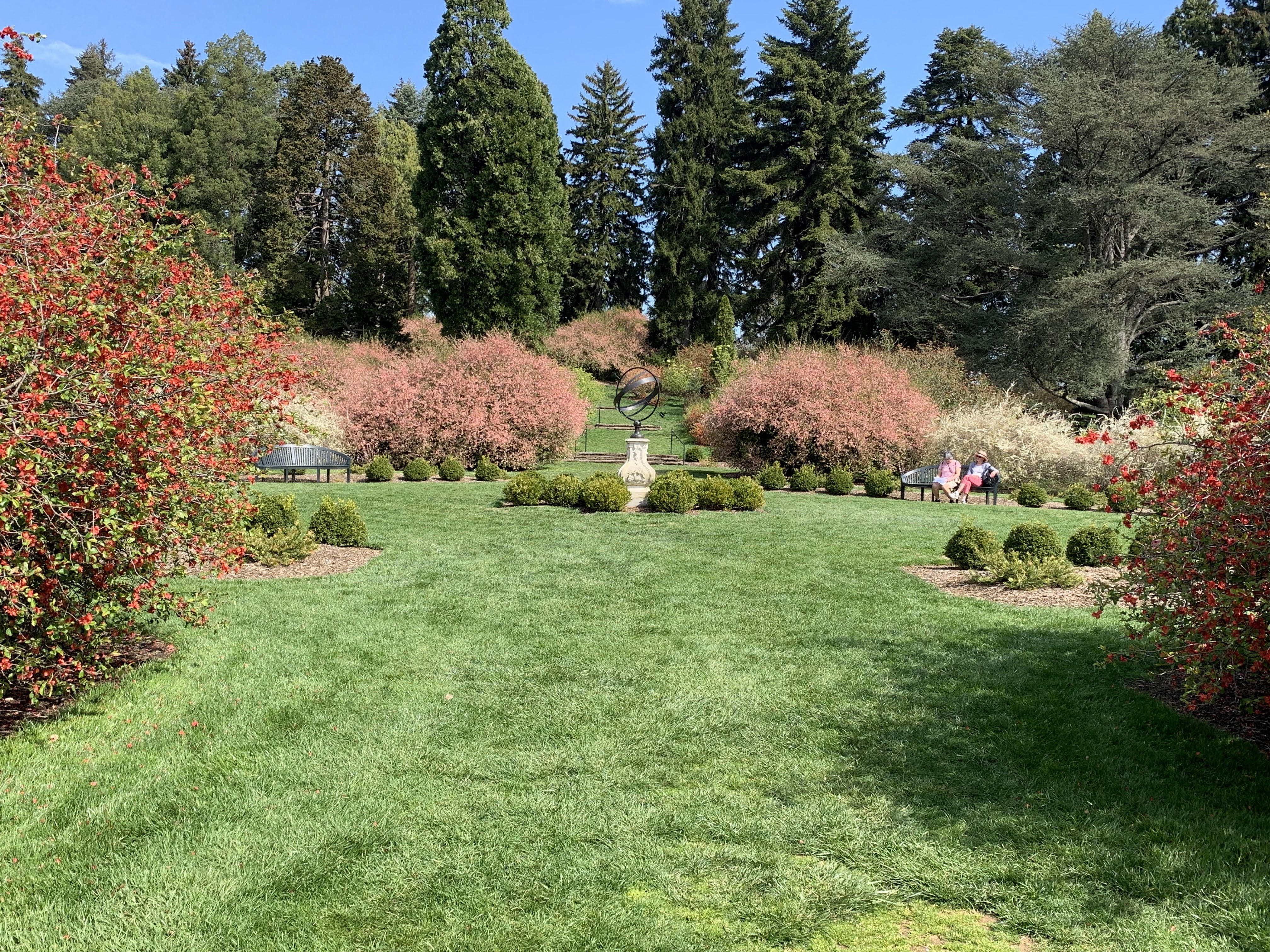
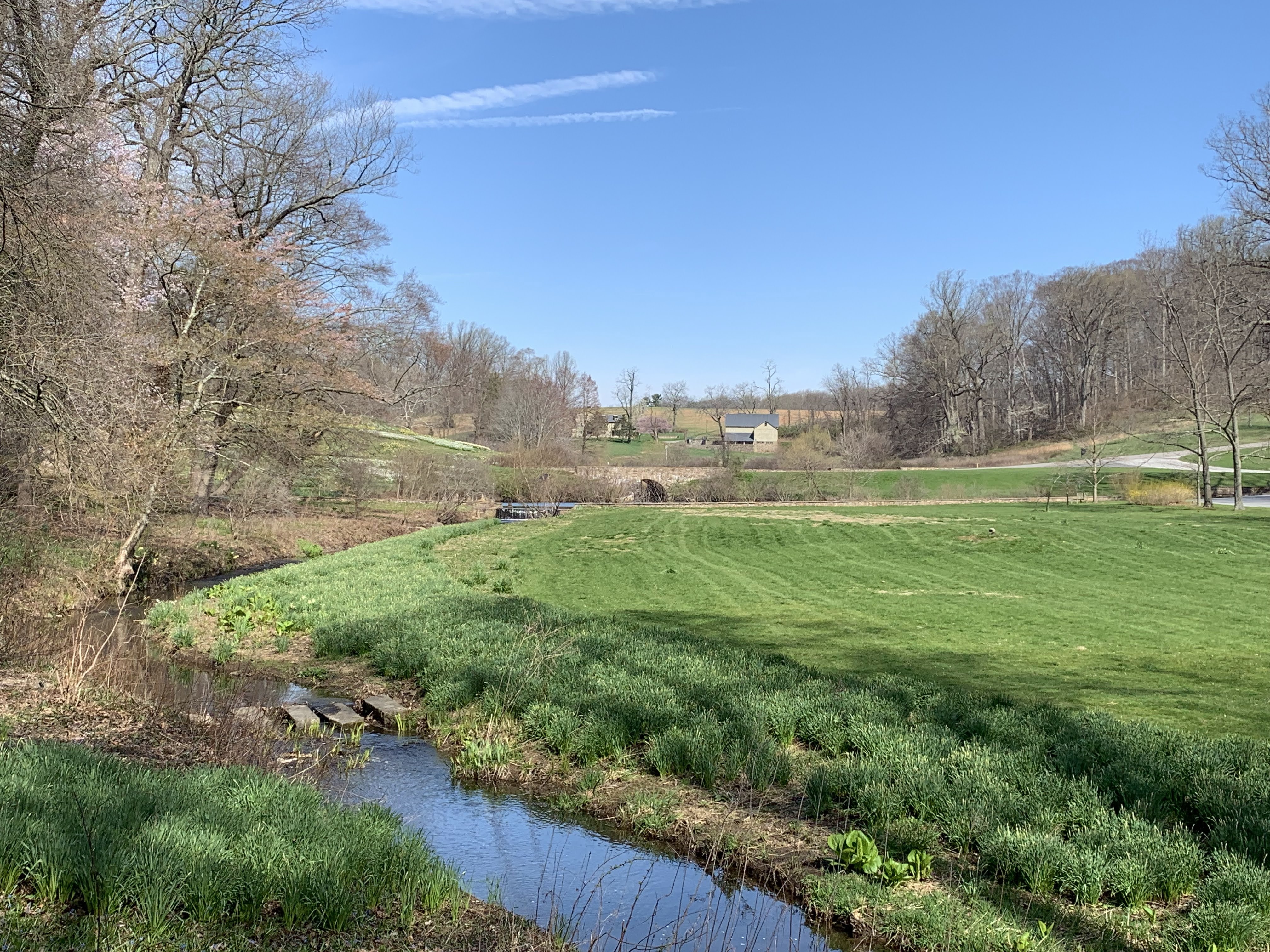
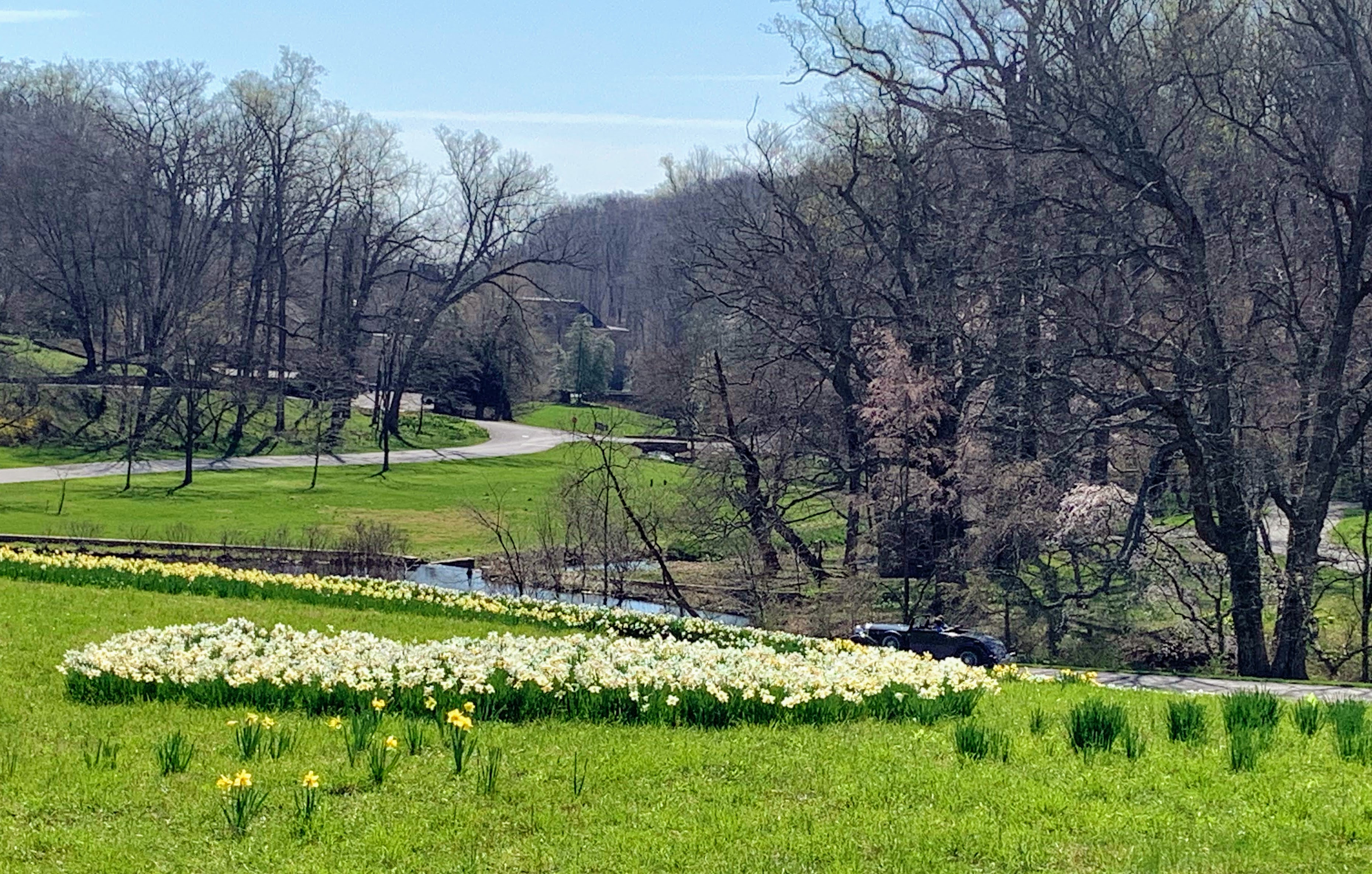
I am lucky to live here, especially at this time of year when winter finally yields to spring, flowering trees burst into bloom and bright daffodils break through newly green grass. We have many choices of local spots to bask in the glory of spring, but my favorite is one of the most underappreciated of our region’s treasures – the Gardens at Winterthur. Winterthur, along with Nemours, Hagley, Mt. Cuba and Longwood Gardens, all originally estates of du Pont family members, preserves its property and collections as a lasting legacy for the public. These are all extraordinary institutions and worth a visit, especially since they are so different from one another. Understanding a bit about their creators, how each institution developed and what it was intended to be helps make the most of the experience. Today we focus on Winterthur. You may think of it as a Museum, which it is, a world class one at that, but it is more than that 175 room mansion filled with treasures. Winterthur’s gardens really shine in the spring. Below are a few pictures taken earlier this week.
Before getting to the Winterthur, let’s talk about Longwood. Longwood Gardens is the big daddy of the local garden attractions, with over 1.5 million visitors a year. It’s founder, Pierre S du Pont graduated from MIT and was President of both the DuPont Company and General Motors. In 1906, at the age of 36, Pierre purchased the property , describing the purchase of the small farm as “an attack of insanity” but added “I expect to have a good deal of enjoyment in restoring its former condition and making it a place where I can entertain my friends.” Certainly, an understatement. Inspired by visits to the grand gardens of Europe, and since boyhood fascinated with complex waterworks, he continued to add gardens and features culminating in the Main Fountain Garden which “combines Italianate ornamentation and French grandeur with World’s Fair showmanship.” Longwood was built to be a showstopper, an engineering marvel and a grand showpiece. It is.
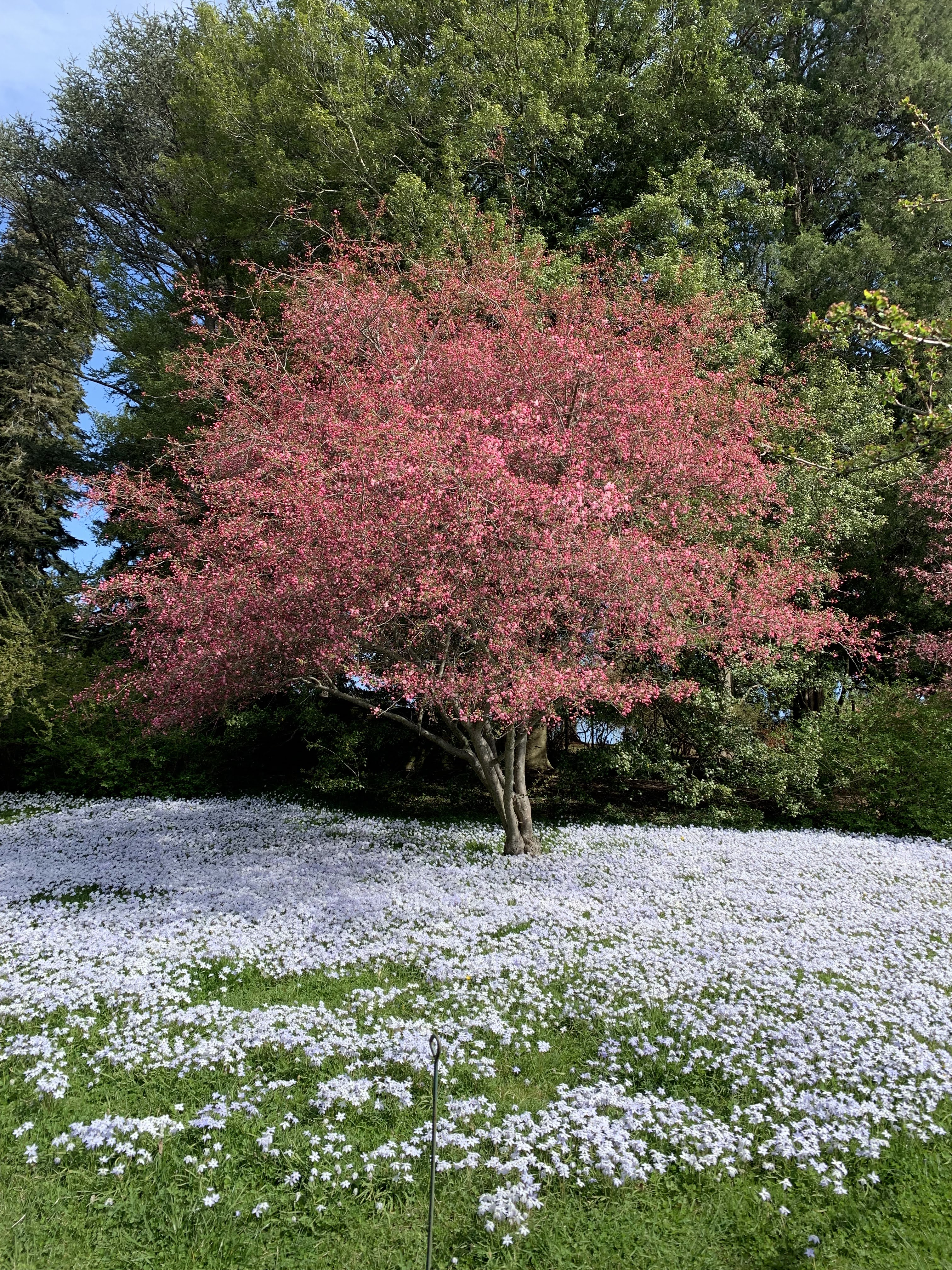
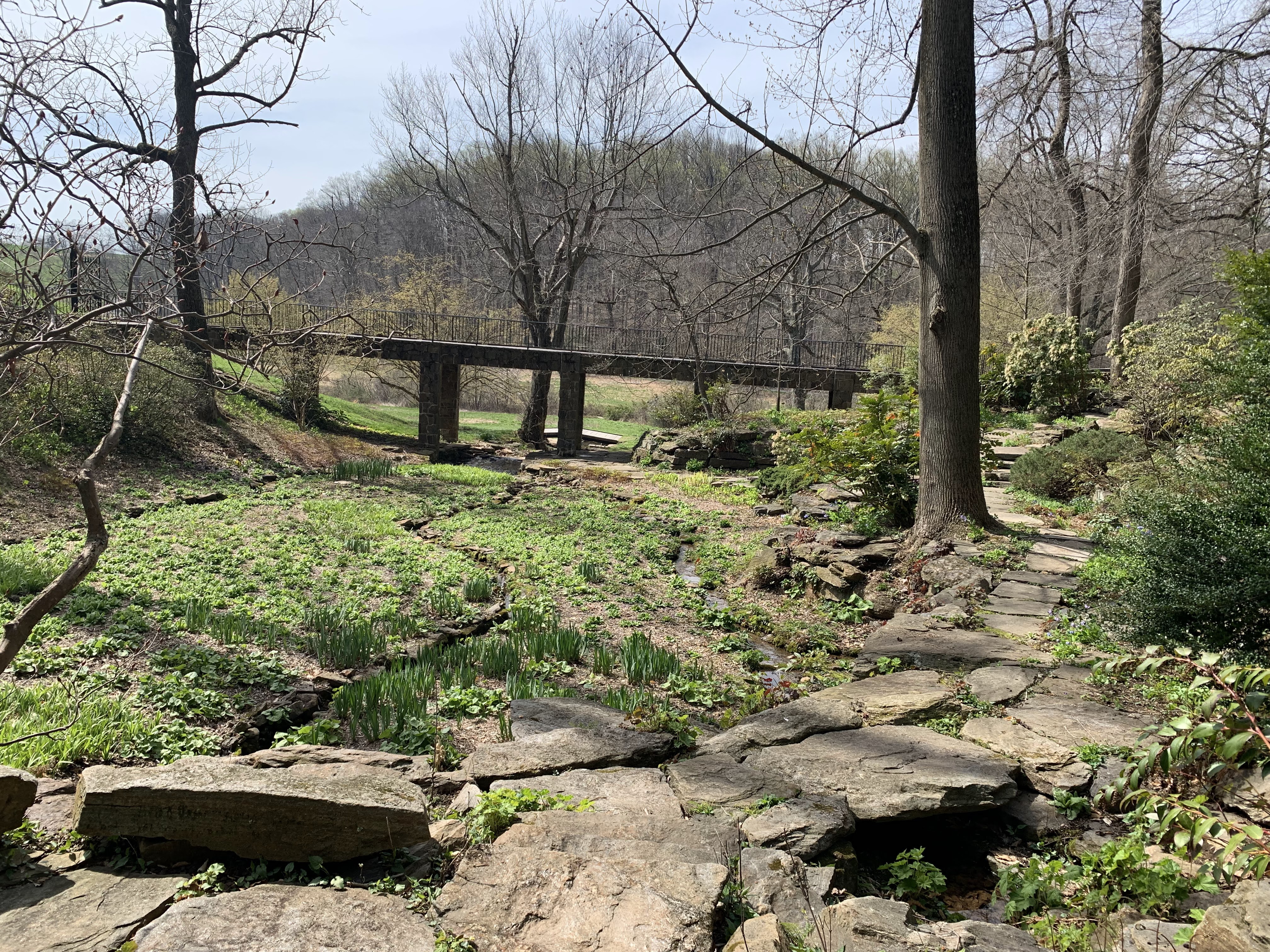
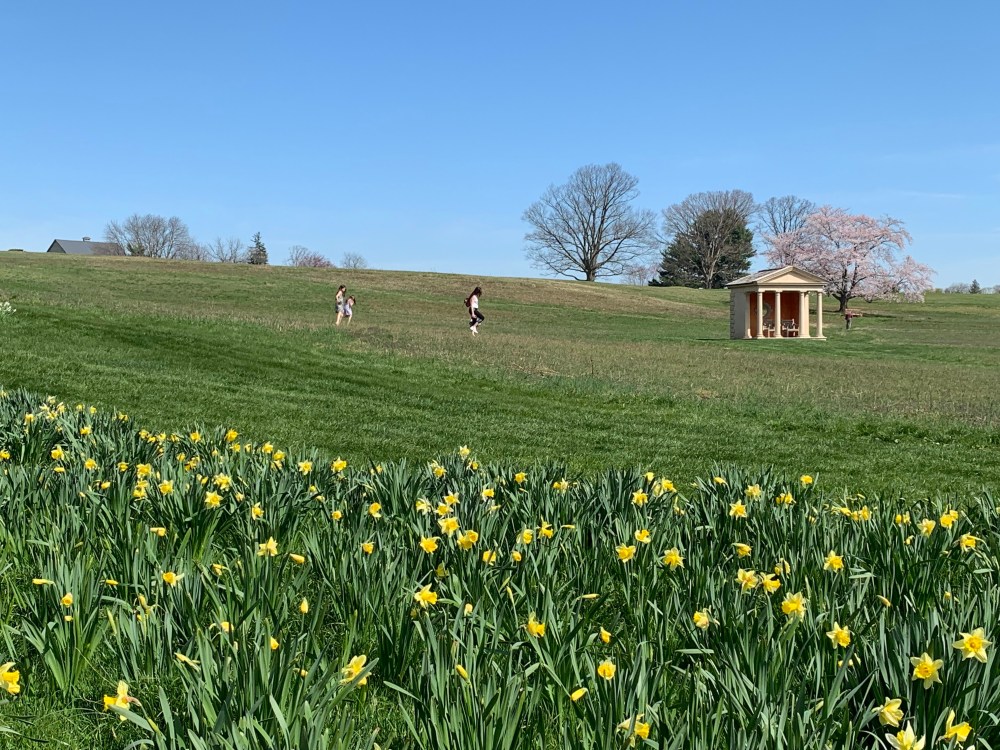
Winterthur is different, and has been from its very inception. Henry Frances du Pont was born at Winterthur, which had been in the family for several generations. He studied agriculture and horticulture at Harvard and spent his life pursuing his passions of horticulture, farming (especially raising a prize-winning herd of Holstein-Friesian cows) and collecting American antiques and decorative arts. HF du Pont, like his cousin Pierre also toured the great gardens of Europe but preferred a more naturalist style. And while he did plant formal gardens, his goal was ” to achieve the appearance of nature working effortlessly, with the garden fitting into the landscape as if it has always been there. ” That is if nature routinely plunked 300 different species of azalea into a few acres and splashed half a million daffodil bulbs across 1,000 acres of rolling land.
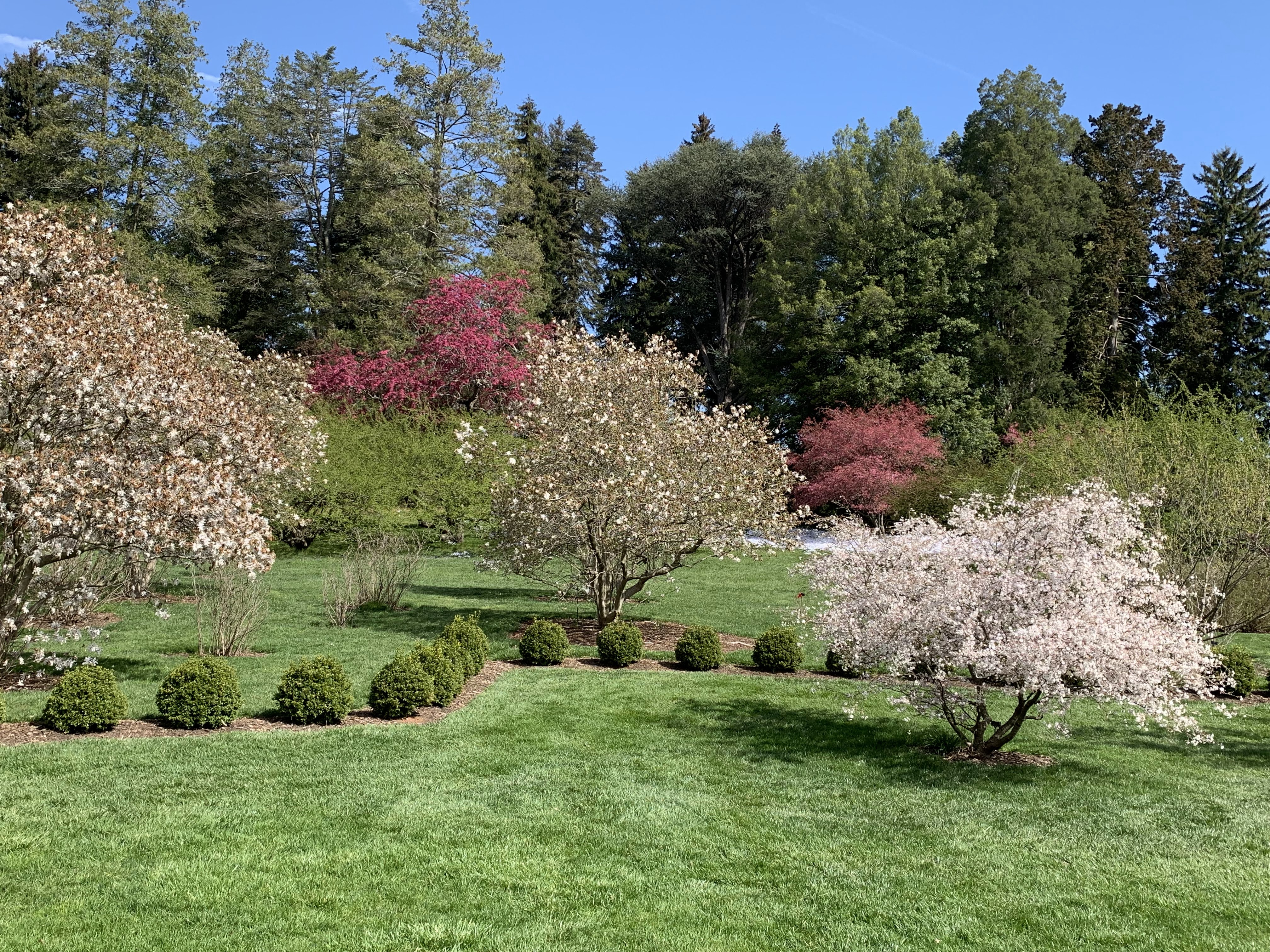
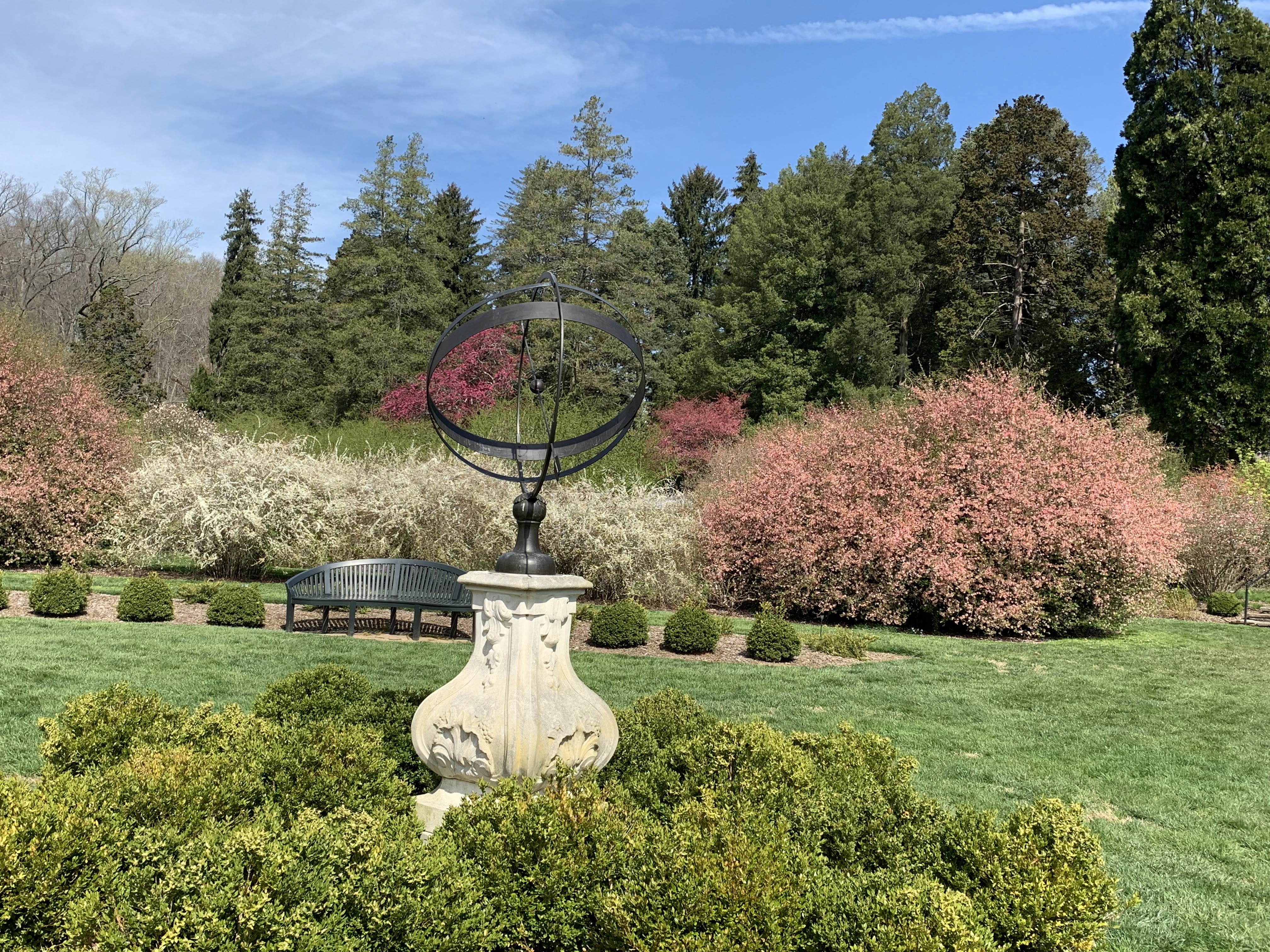
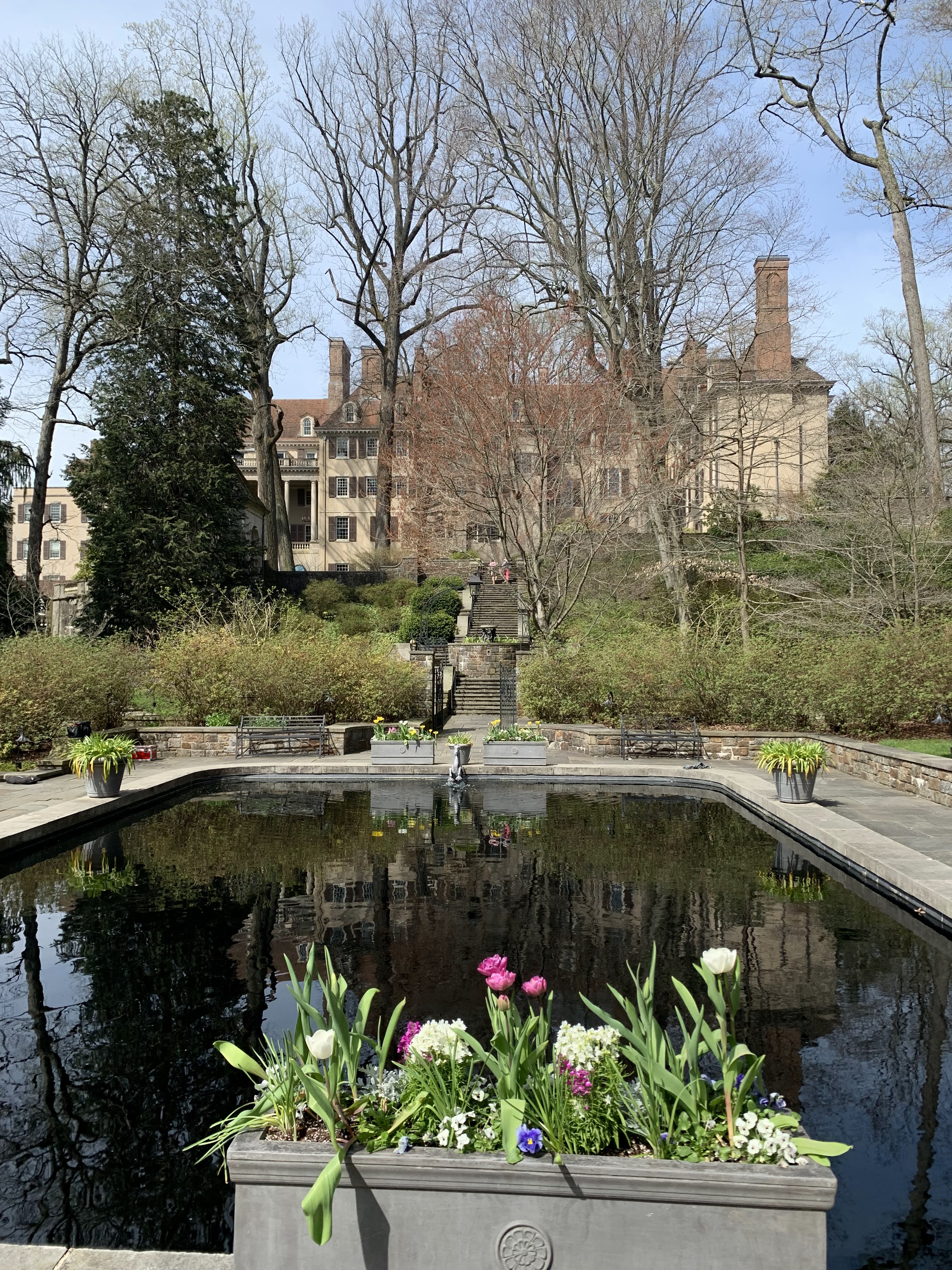
Two of my favorite things about Winterthur are its sweeping views and its contrasting tucked away gems. HF du Pont carefully considered the views from every angle. From the lawn, from different angles of the house, from gazebos, porches, stairwells, bedrooms etc. changing vistas drew the eye. As you wander through the landscape, paths wander in and out of the various garden areas. Even after years of walking there I continue to find new spots with a view that changes by the season. Inside the house HF “interwove the colors of his gardens with the colors of the walls, fabrics, and furnishings of his rooms, often making seasonal changes to reflect the transformations that were occurring outside.” Outside in the gardens, colors wave across the landscape, changing from week to week and season to season.
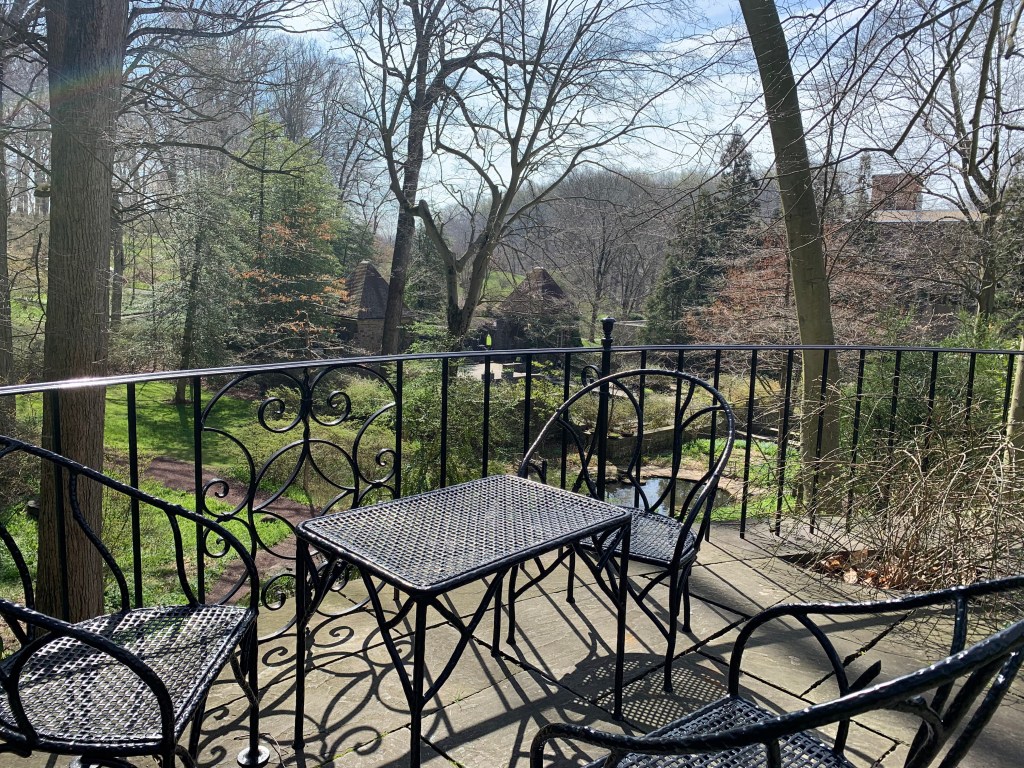
In the gardens it is easy to maintain the fantasy that you are hanging out at the estate of the rich great uncle you never had. Even on busy days here you will find many peaceful spots, a chance to breathe in the beauty of the Brandywine Valley without haste and hassle. Coming here feels more like being an honored guest than a paying visitor. Picture yourself sipping tea or wine brought by an attentive butler. Imagine having breakfast on one of those terraces overlooking the gardens.
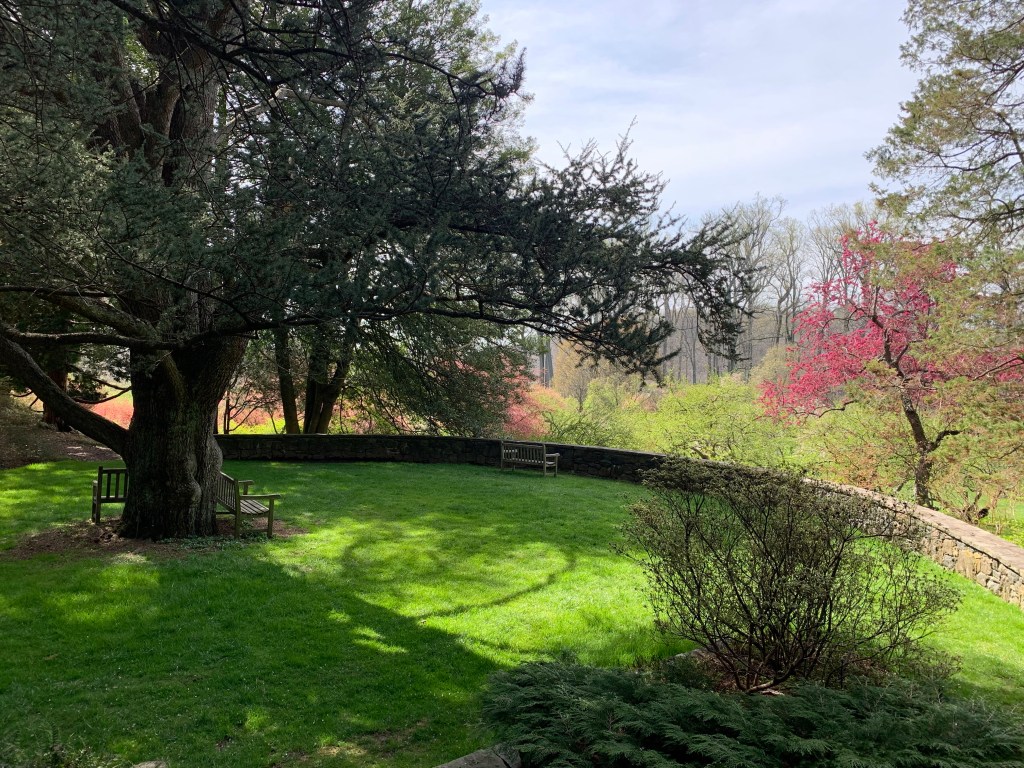
While HF duPont personally laid out hundreds of thousands of bulbs and designed most of Winterthur’s gardens, time did not stop upon his death. The Enchanted Woods is a fairly recent addition. A lovely fairy land built for children (big and small).
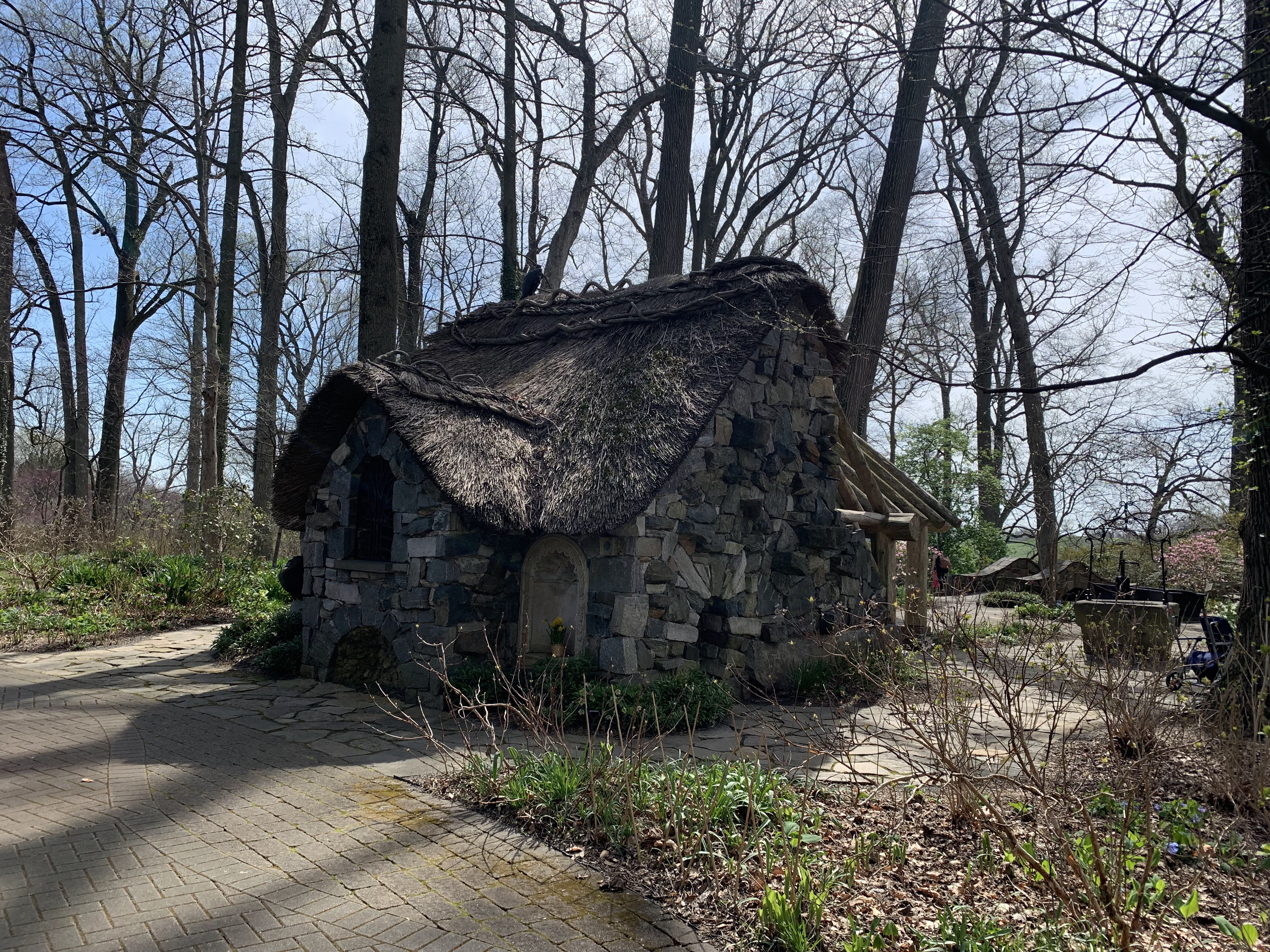
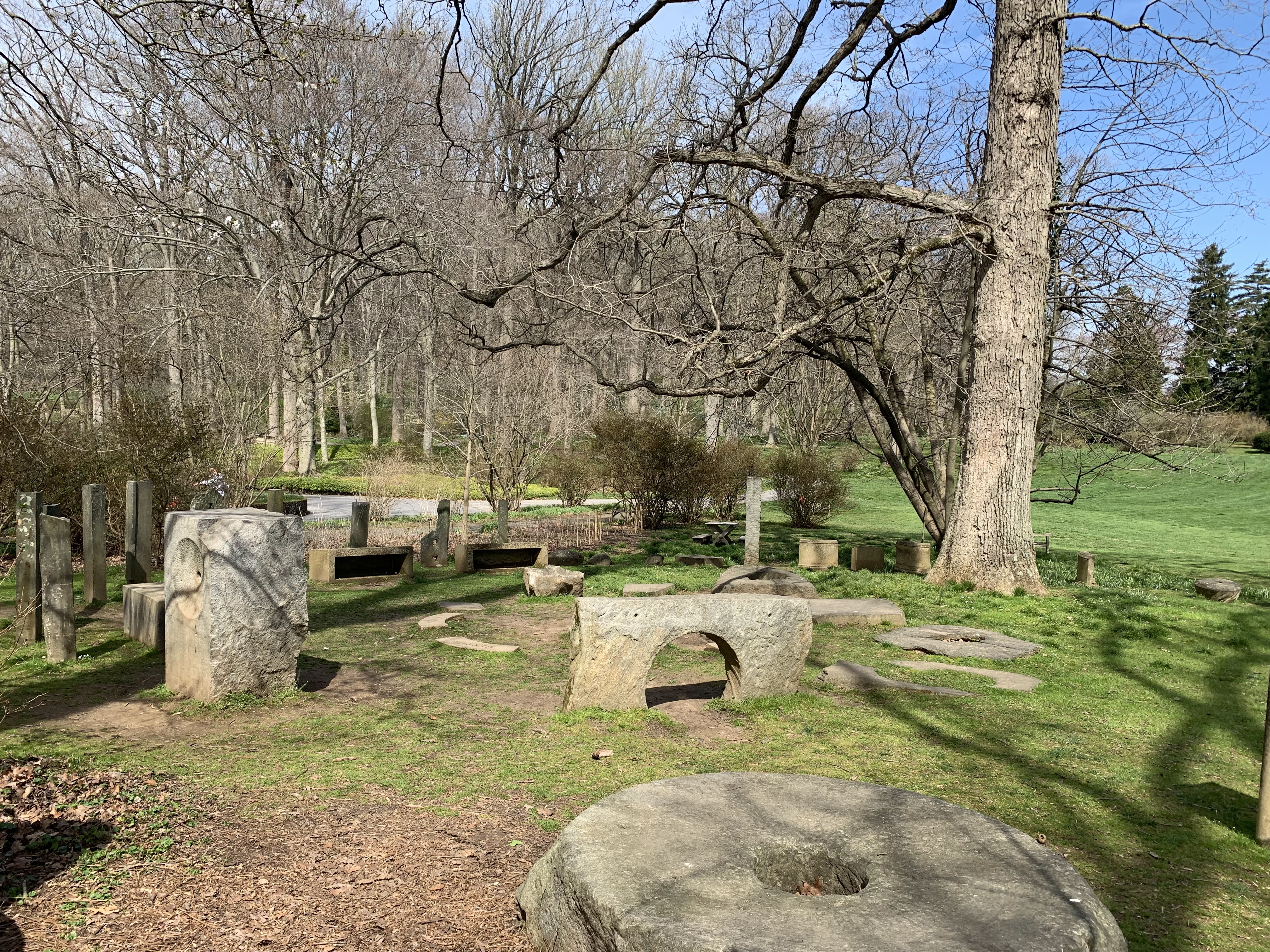
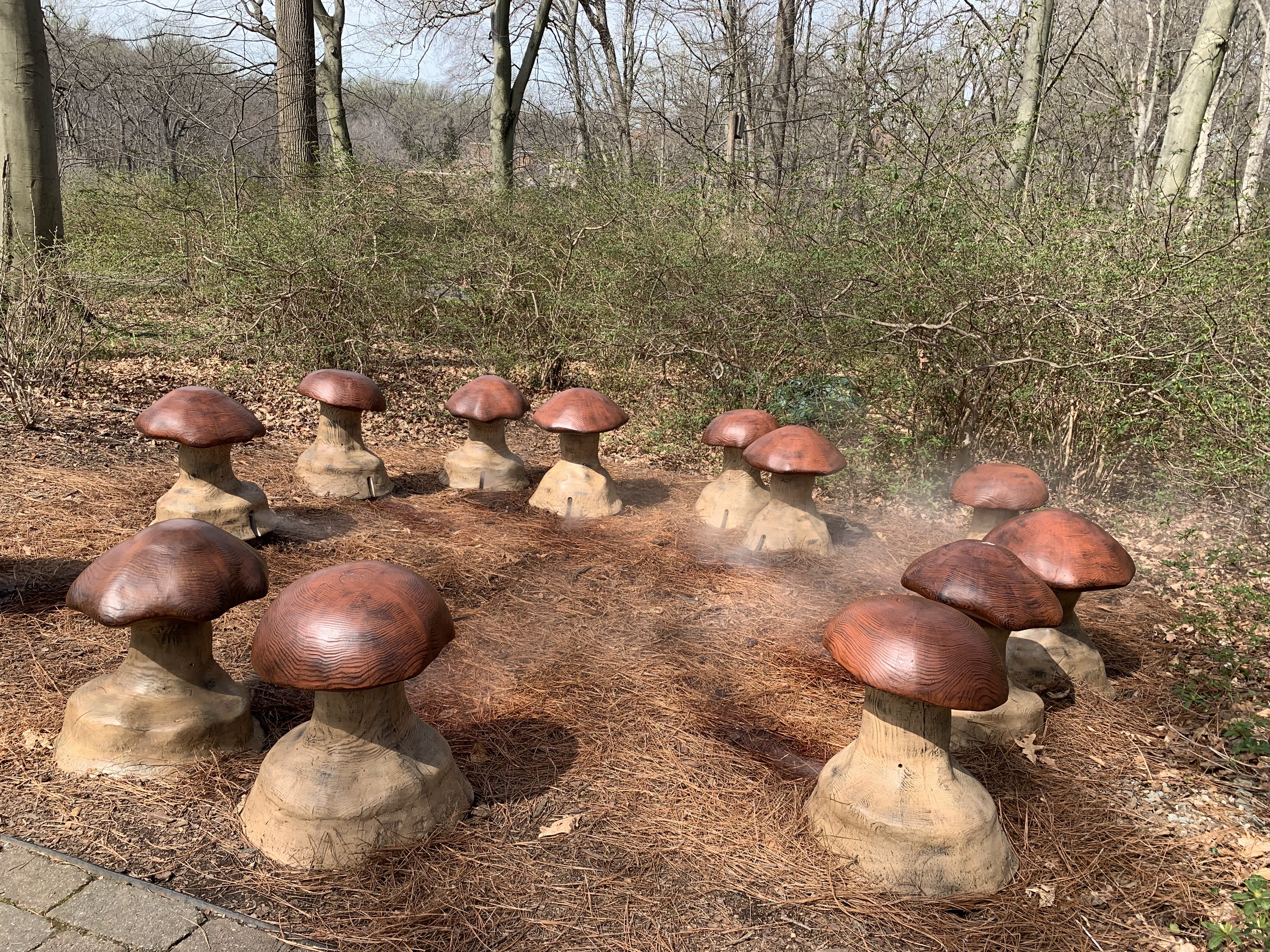
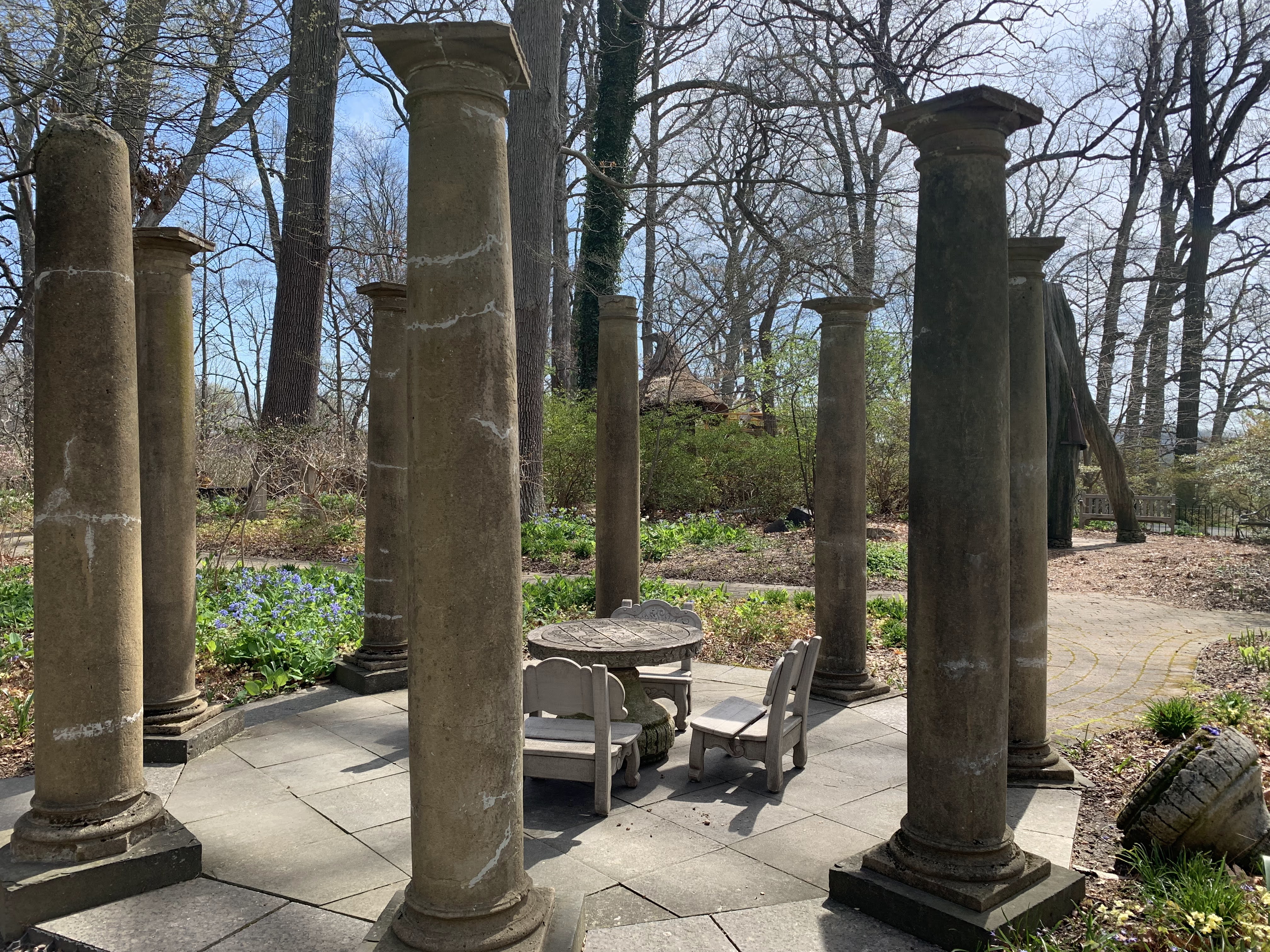

Things are beautiful right now in the Gardens at Winterthur, but there are many more highlights ahead. The pictures below were taken last May when Azalea Woods splashes forth in colorful glory, Peonies bloom and color abounds all over the gardens. It isn’t a long show, so don’t miss it!
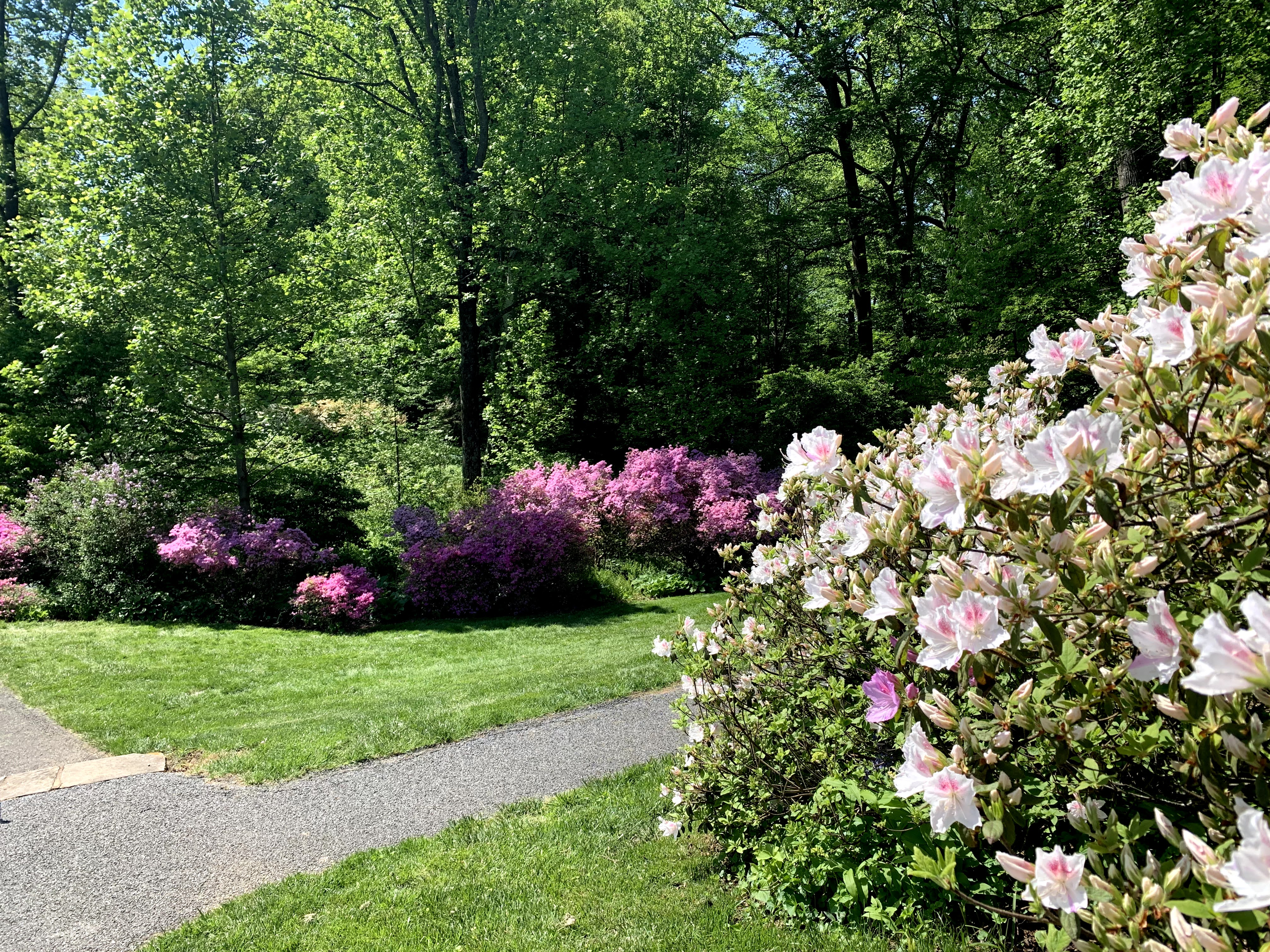
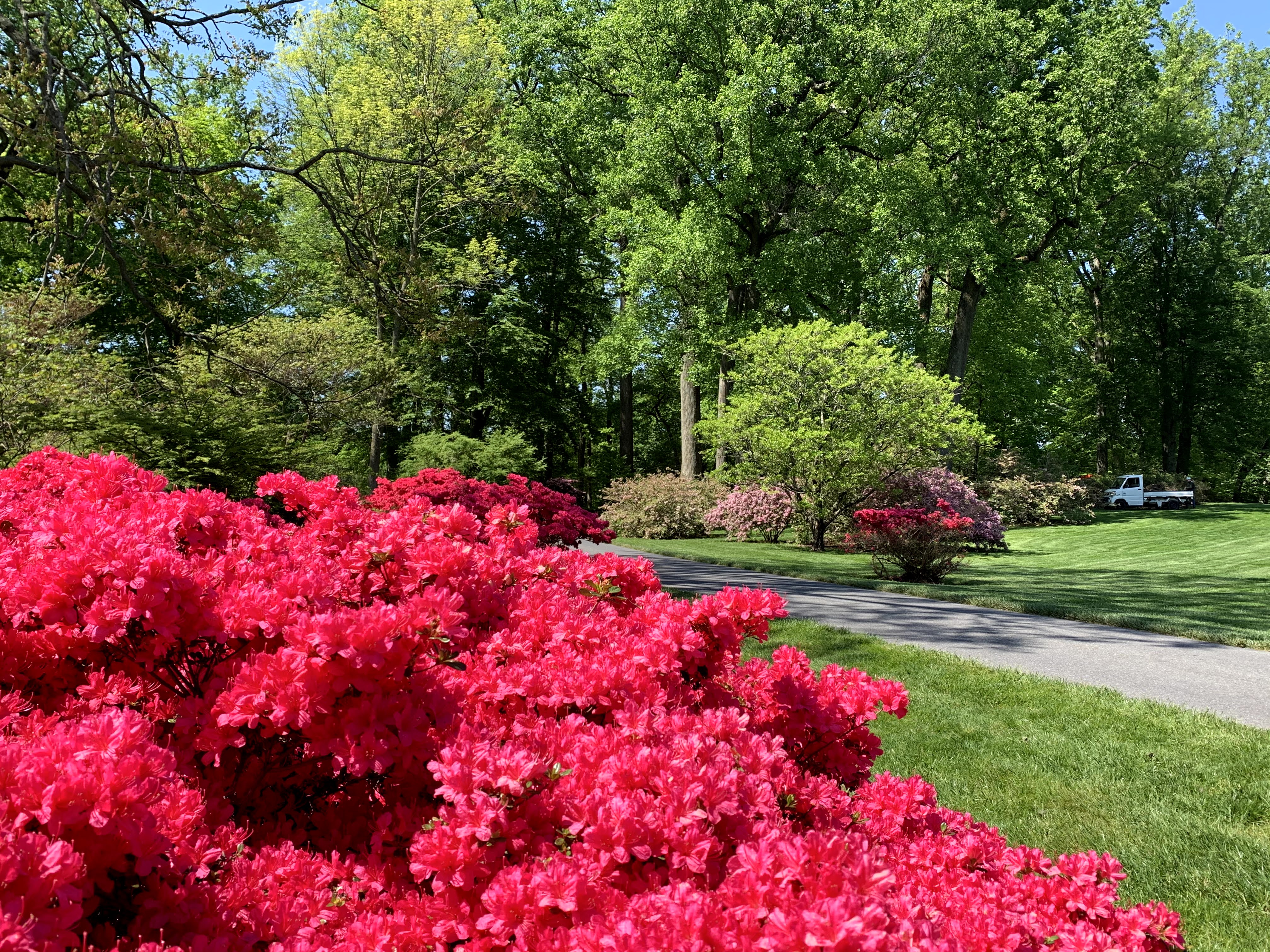
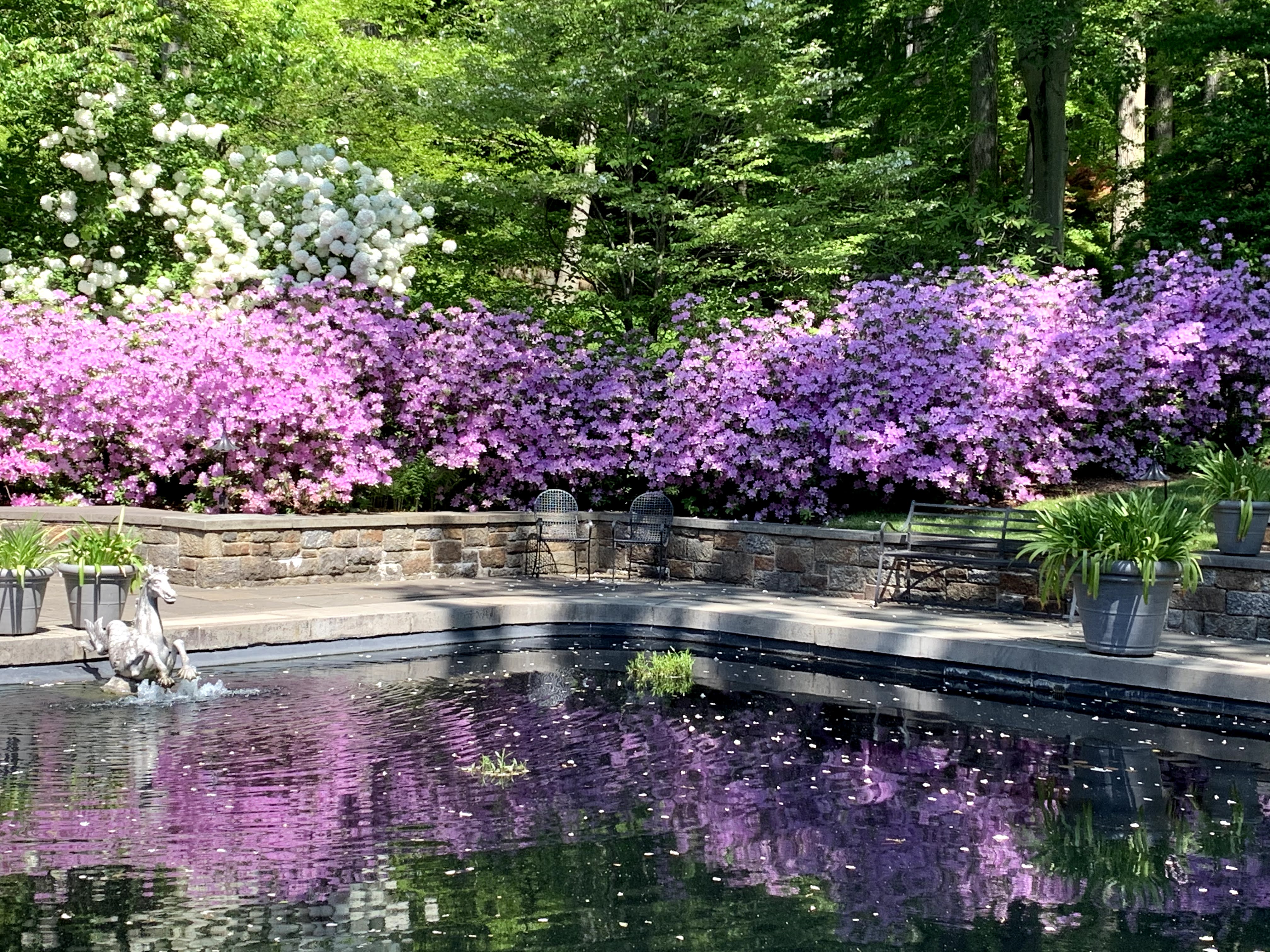
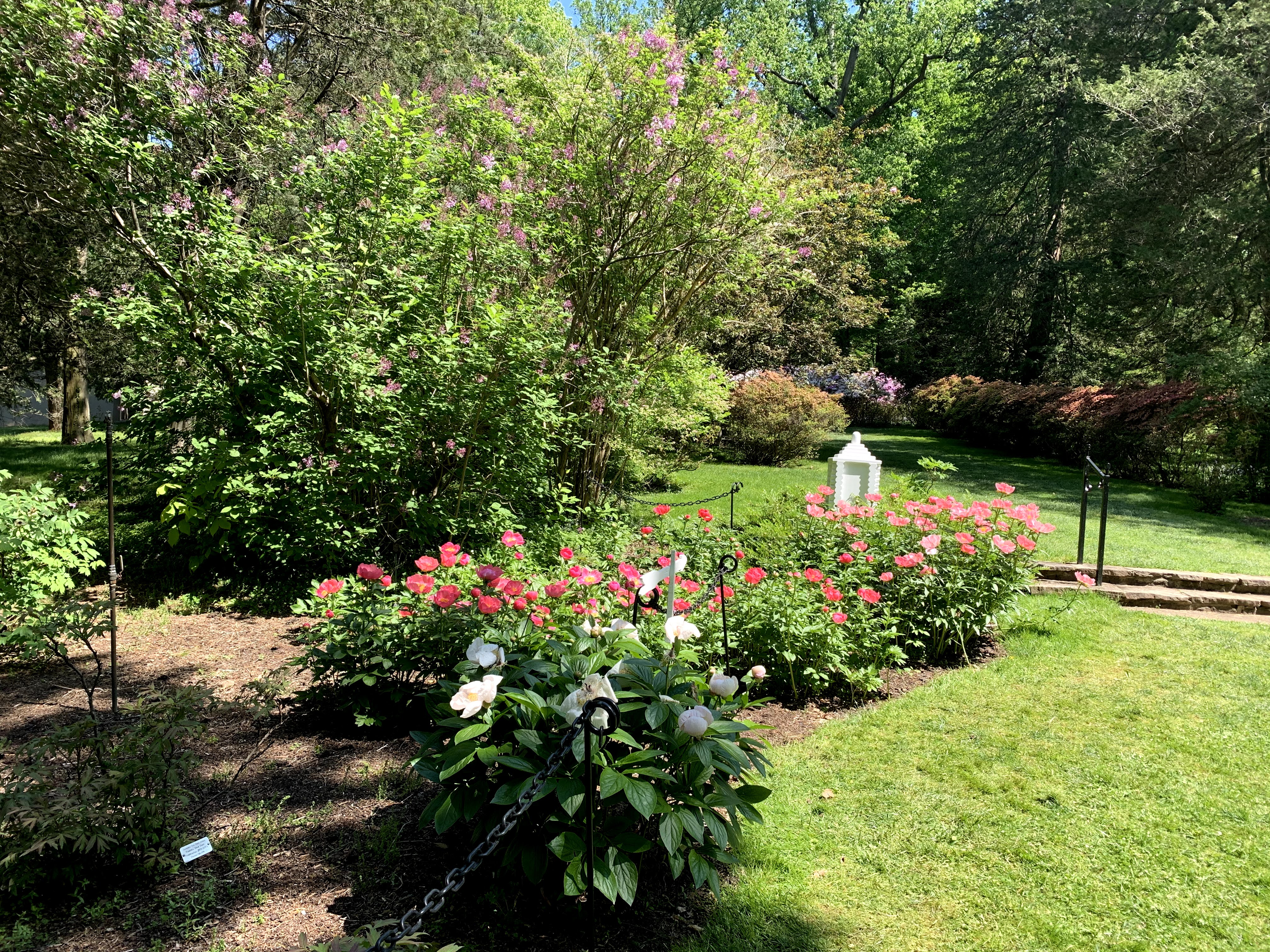
I asked Winterthur Director and CEO Chris Strand (who for year’s headed Winterthur’s Garden Department) to name one thing he wish more people knew about the gardens. ” Channeling Mr. du Pont, it’s not just a spring garden.” Another piece pf information on Mr. du Pont. In 1956, the Garden Club of America awarded Henry Francis du Pont their Medal of Honor with the dedication, “In the estimation of fellow horticulturists Mr. du Pont is granted to be one of the best, even the best gardener this country has ever produced.”
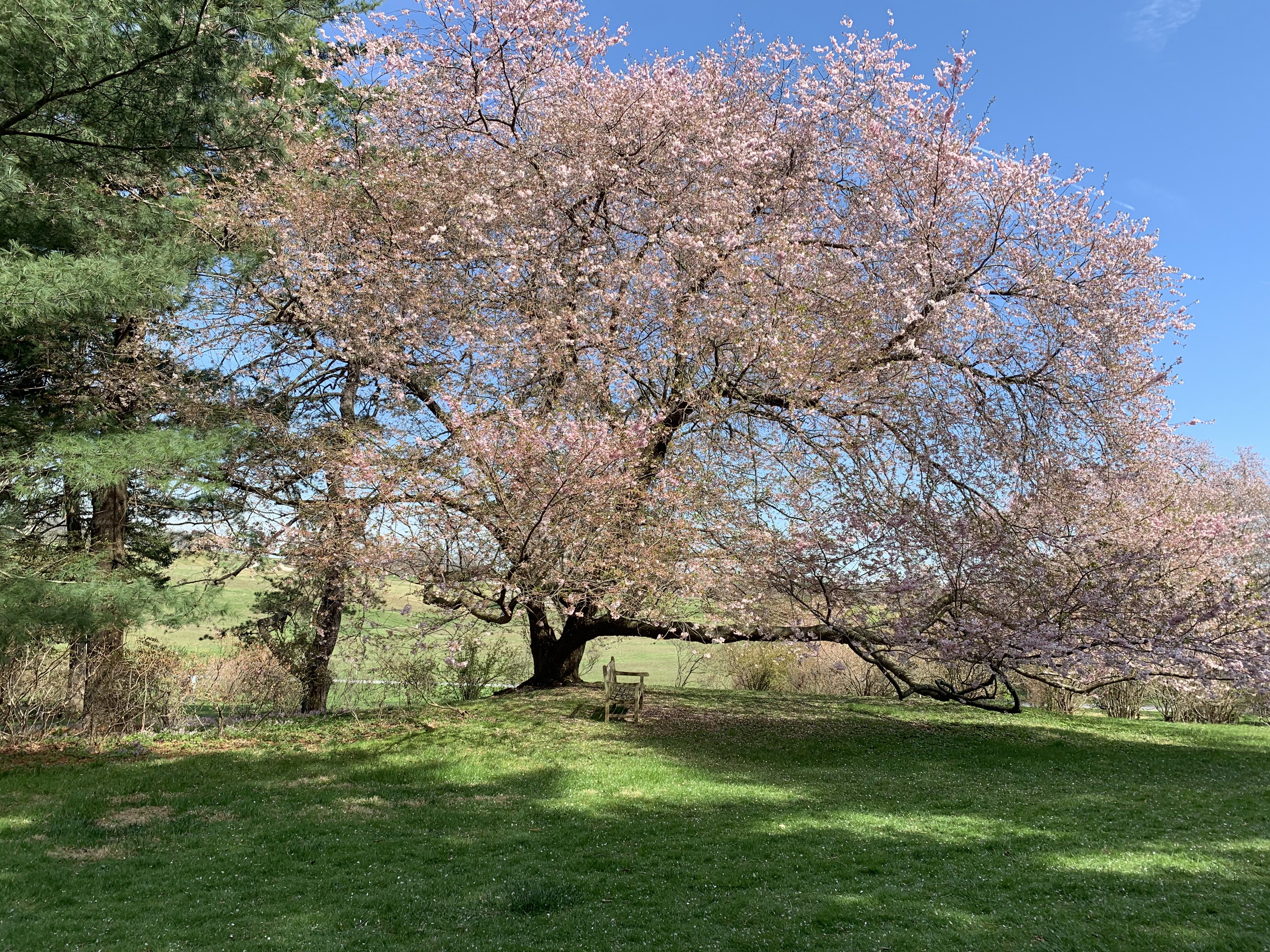
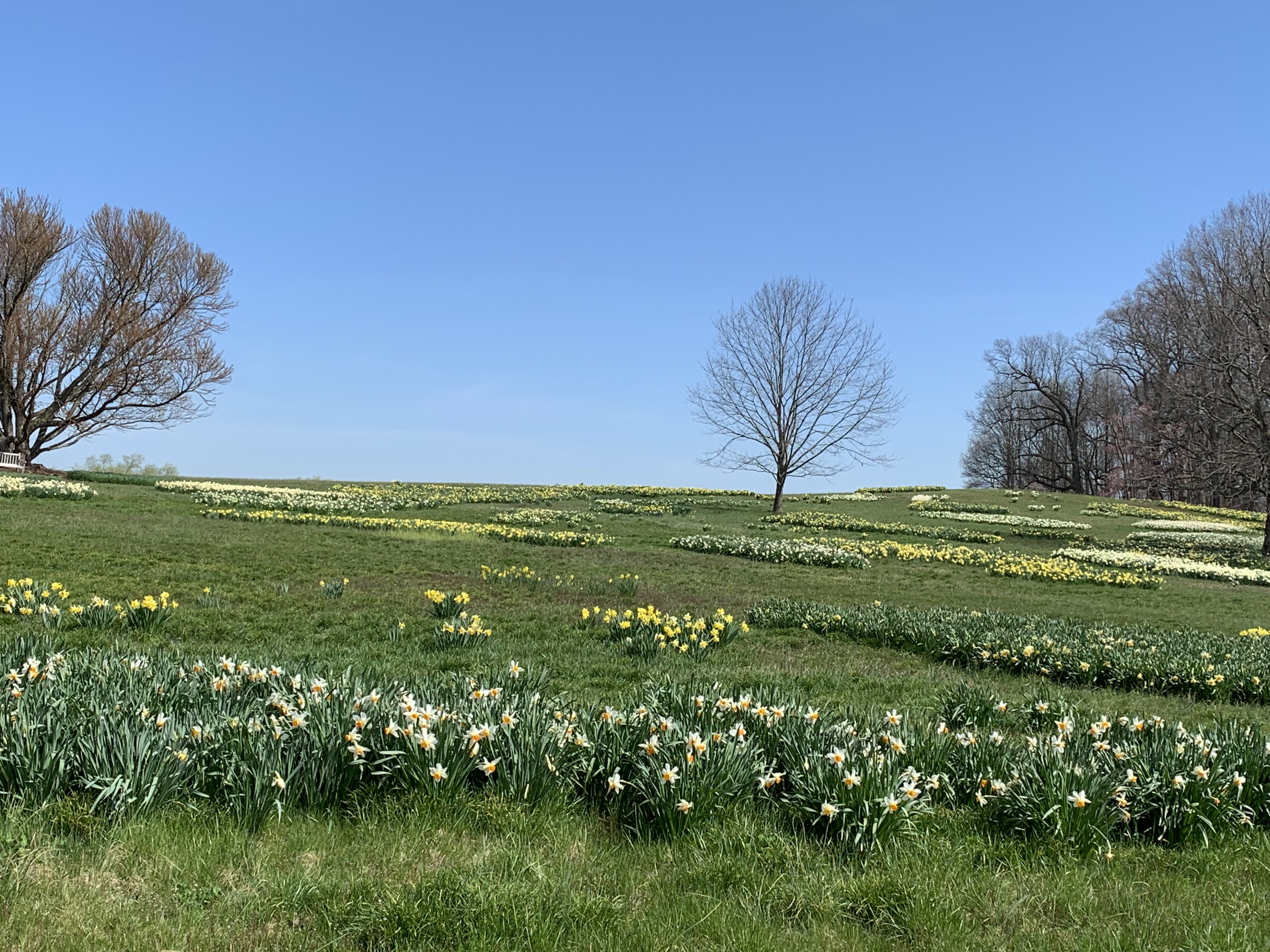
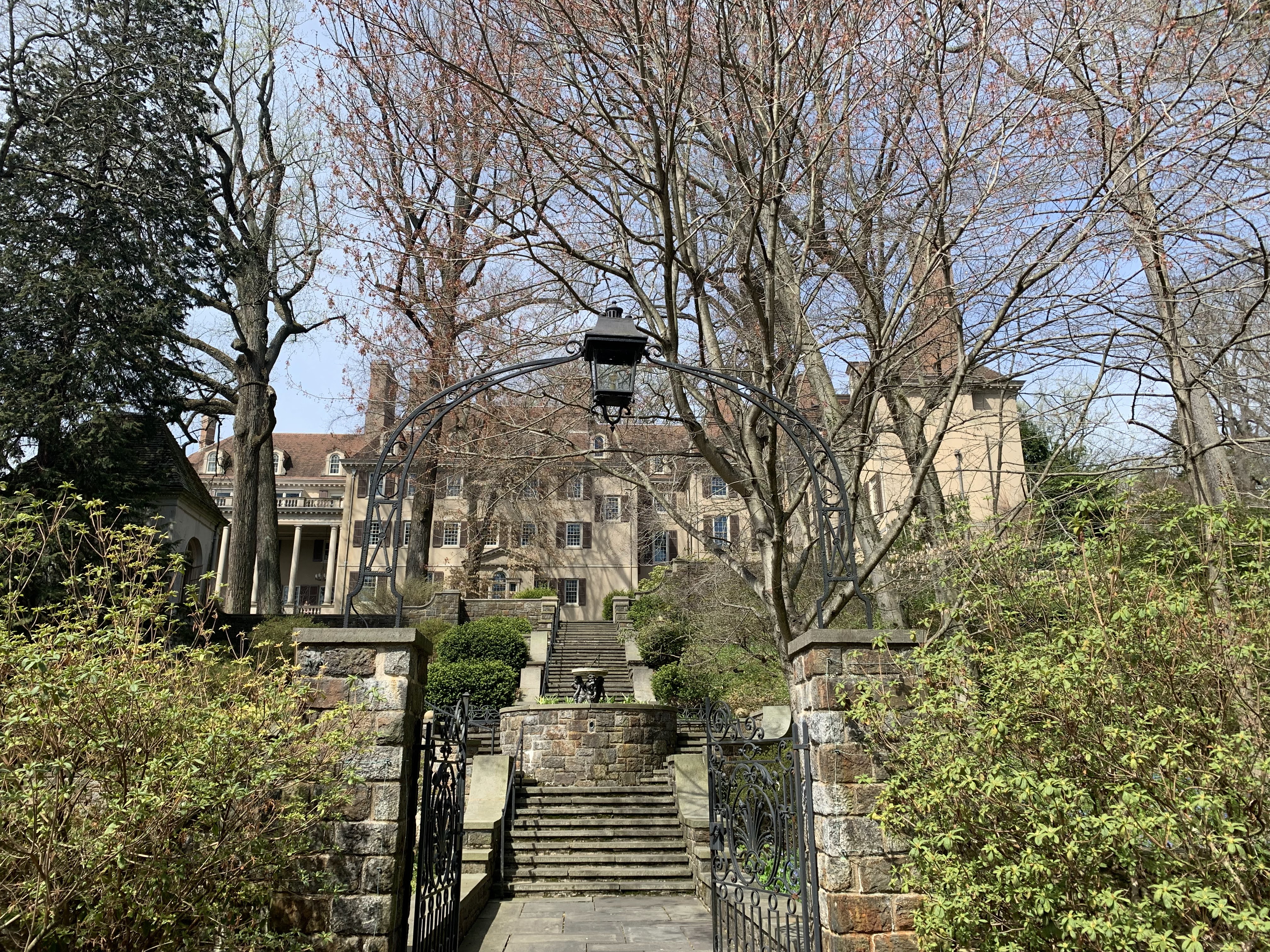
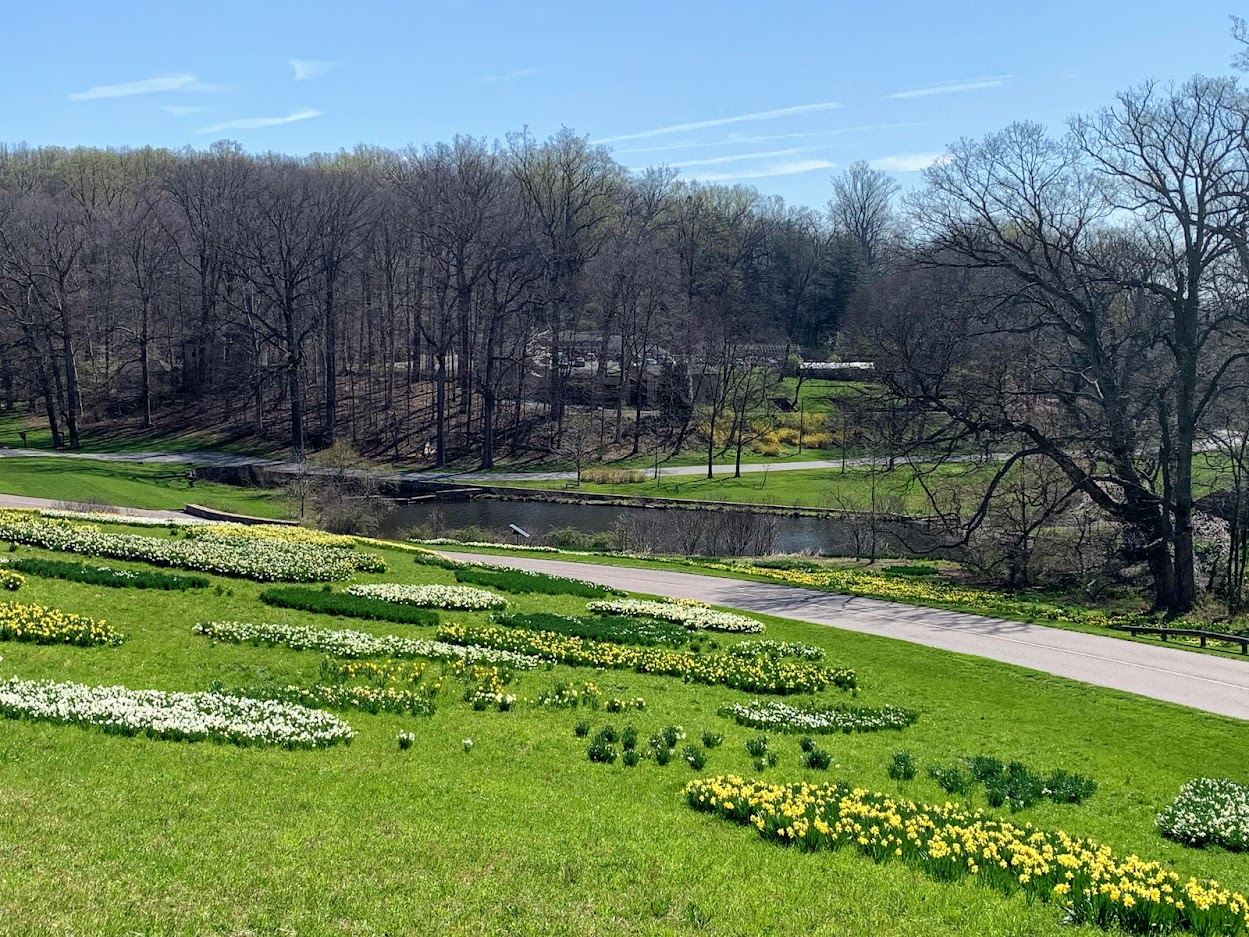
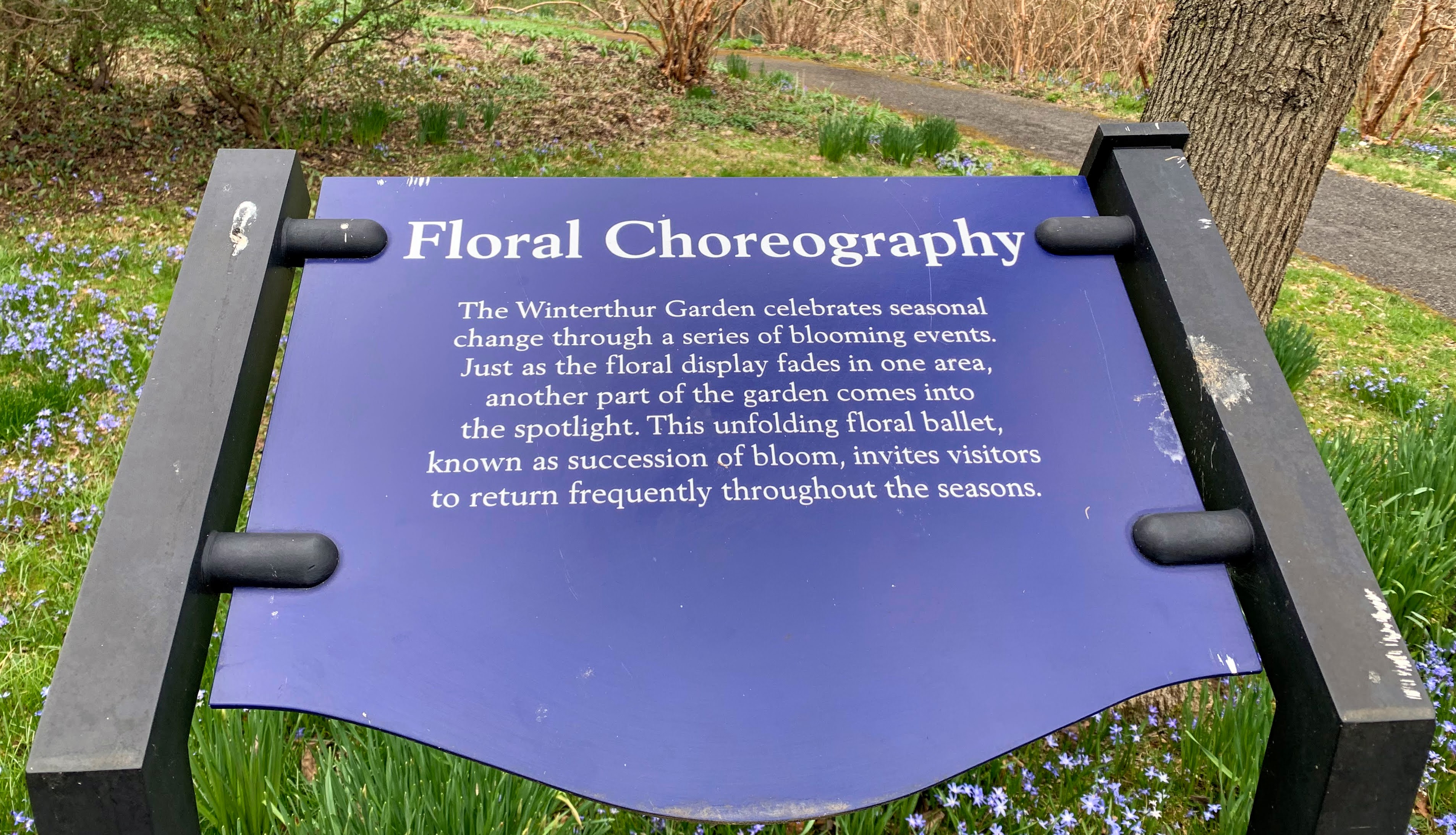
What did its founder want Winterthur to be? Henry Francis du Pont’s said his goal was “that the museum will be a continuing source of inspiration and education for all time, and that the gardens and grounds will of themselves be a country place museum where visitors may enjoy as I have, not only the flowers, trees and shrubs, but also the sunlit meadows, shady wood paths, and the peace and great calm of a country place which has been loved and taken care of for three generations.”
Winterthur Museum, Garden and Library has continued to excel in those goals. Mr. du Pont was known for his interior design skills as well and was called upon by Jacqueline Kennedy to refurbish the While House, which is the subject of Winterthur’s upcoming Exhibition. So what are you waiting for?
 Explorer Barb