Whether or not your body contains an ounce of Irish blood you have no doubt noticed that today is St. Patrick’s Day; the only time of year it is acceptable to pour chemicals into our waterways and our beverages (not very green, wink wink) in the annual celebration of all things Irish. Over time March 17 has transformed from its Irish roots as a holy day commemorating the death of the country’s patron saint, to a raucous celebration of anything vaguely related to Ireland. The legend has long been interwoven with myth and folklore so let’s explore that and have some fun with it. These are my people after all.
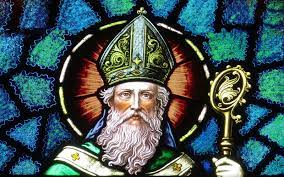
It is believed that St. Patrick was born in Britain in the late 4th century, at 16 he was kidnapped by Irish raiders and sold as a slave to a Celtic priest in Ireland. After a while he escaped back to Britain and eventually returned to Ireland as a Christian missionary. Christianity was brought to Britain by the Romans along with other good things like wine and pasta (I know they got that from the Chinese, but they knew a good thing when they saw it). The Irish along with all their Celtic cousins have been looked down upon for thousands of years, much of which I believe is a matter of bad press and multiple misunderstandings. Let me explain.

We’ll start with Leprechauns. A type of Celtic fairy (nothing derogatory intended) a mythical being with magic powers. Somewhere over time they got stuck with the trickster image, and that horrid green outfit. They are a nature sprite, and that color does not exist in nature; unless somehow radioactive pond scum qualifies. And oh, the indignity of a magical being reduced to gracing the cover of a cereal box. That’s just rude. Where did the pot of gold thing come from? Likely it was a pot still, used for making whiskey, a very fine Celtic invention. Whiskey has been used as barter currency for many centuries, even here, when their Celtic descendants brought the practice to the American colonies. And their rep for grumpiness? Mess with my still, my livelihood, make me wear this stupid, uncomfortable outfit? Well, no wonder. That’ll get your Irish up, and now you know the origin of that phrase (wink).
And then there’s the short thing. Well, ok, we’ll own up to that one. But it’s clearly been grossly exaggerated. We fair skin, blue eyed people may be a tad height disadvantaged compared to those Viking upstarts who came to Britain later but really, enough with the short jokes. And the painted blue thing? The Romans viewed the Celts as primitive, inferior peoples (that’s what invaders do) but really got the “paint themselves blue, pagan ceremony” thing way wrong. Hello, have you met us? We do not do well in the sun. Those southern Mediterranean Romans with their fine tans did not understand that we had invented sunscreen. Oh, sure they came with their roads, and their aqueducts and weapons and all, but they also invented the vomitorium (and they thought the celts were gross). And don’t forget that they crawled back to Rome to defend the empire from our Germanic cousins not long after St. Patrick came on the scene. And one more thing the Romans and later invaders didn’t understand or appreciate, which remains one of the great mysteries of the ancient world. We know how the Romans built their stuff, sure, it’s good and all. But one word demonstrates that the Celtic peoples have been underappreciated and mistakenly belittled for thousands of years. Stonehenge. Mike drop.

 Explorer Barb